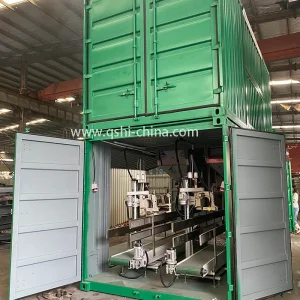
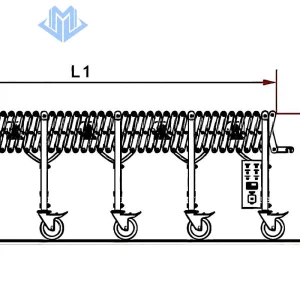
Explore our premium grade automatic batching, checkweighing, and high-performance packaging systems optimized for international standard output.

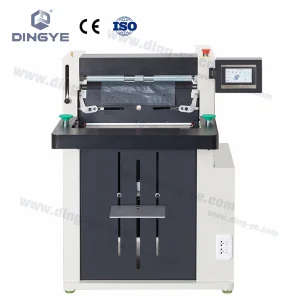
In modern industrial manufacturing and processing, precision is no longer just a metric; it is the cornerstone of profitability, regulatory compliance, and brand reputation. Dongguan JSG Machinery Co., Ltd. has been at the forefront of this industrial evolution since 2010. Operating from a state-of-the-art 20,000 square meter factory in Dongguan, Guangdong Province, our team of over 220 experts designs, integrates, and exports high-performance automatic weighing equipment, pneumatic conveying systems, and integrated end-of-line packaging architectures to global markets.
The transition from manual or semi-automated weighing to fully integrated, smart weighing lines has dramatically minimized product giveaway, enhanced product consistency, and scaled throughput across the food processing, pharmaceutical, chemical, and general warehousing sectors. This document provides a detailed breakdown of the technical, operational, and strategic aspects of automatic weighing equipment, serving as a procurement and planning resource for global engineers and supply chain directors.
Automated weighing technology utilizes advanced sensor integration, feedback control loops, and signal-processing units to calculate material mass dynamically. At the heart of our systems lie highly sensitive strain-gauge and electromagnetic force restoration (EMFR) load cells. These components translate physical weight variations into digital data with micro-second responsiveness.
Our typical process involves multiple distinct stages, each engineered to eliminate variance:
| Equipment Category | Primary Application | Accuracy Range | Key Integration Technologies |
|---|---|---|---|
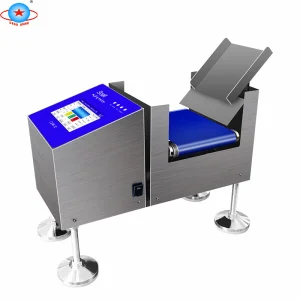
| Dynamic Checkweighers | Food, Pharmaceutical packaging verification | ±0.1g to ±1g | High-speed EMFR load cells, sorting rejection arms |
| Multihead Weighers | Snack food, irregular products packaging | ±0.5g to ±1.5g | Combinatorial DSP algorithms, multi-gate control |
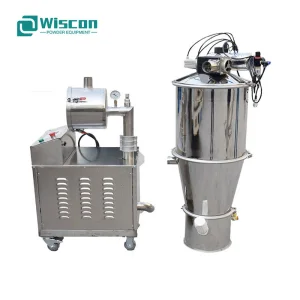
| Pneumatic Conveying Weighers | Carbon black, bulk powders chemical batching | ±0.2% to ±0.5% | Vacuum receiver integration, hermetic load cells |
| Bulk Bagging Systems | Agricultural grains, heavy industrial chemicals | ±10g to ±50g | Pneumatic clamping, dual-speed gravity feeding valves |
Dongguan JSG Machinery Co., Ltd. leverages its strategic location in the Greater Bay Area of China—a globally recognized hub for precision machining and electronics. This enables us to maintain a reliable, highly integrated supply chain that ensures both fast turnaround times and unparalleled component standardization.
From structural stainless steel fabrication (SUS304 and SUS316L) to high-precision CNC tooling, we control the entire lifecycle of our machinery parts. This limits external dependencies and guarantees material compliance.
Our wholesale capabilities allow us to source high-grade components (such as Schneider Electric PLCs, Omron sensors, and SMC pneumatics) at scale. We pass these savings directly to our global distributors and end-users.
Every automated weighing unit undergoes extensive static and dynamic calibration routines over 72 continuous hours. This guarantees that each module arriving at our customers' facilities is plug-and-play ready.
By operating inside a 20,000 square meter factory staffed by 220+ skilled engineers and assembly technicians, we ensure our production capability scales to meet major commercial and industrial orders. This high-capacity output makes us a reliable long-term OEM/ODM partner for global logistics, packaging systems, and food processing brands.
Automatic weighing cannot follow a "one-size-fits-all" methodology. Different industries present distinct environmental challenges, product flows, and sanitization standards. JSG Machinery designs optimized modules to target these specific variations:
In food-related applications, moisture resistance and ease of cleaning are paramount. Our food-grade weighing systems feature IP65 to IP69K dust- and water-protection ratings. They are built using sanitary stainless steel construction and tool-less disassembly formats, allowing quick washdowns that comply with strict global safety guidelines. Products such as multihead weighers and smart combination systems prevent fragile materials (like snacks or dried fruit) from breaking while keeping speed metrics at peak levels.
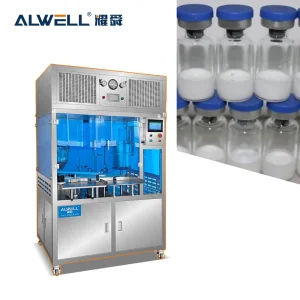
Pharmaceutical processes require extreme precision, traceability, and strict compliance with FDA 21 CFR Part 11 standards. Our automatic checkweighers and vial filling systems feature advanced datalogging capabilities, reject tracking sensors, and system calibration locks. These prevent fine powder or liquid medications from deviating from their specified chemical matrices.
Handling highly abrasive or dusty materials (such as carbon black or granular pigments) requires sealed pneumatic conveying system integrations. Dust-free vacuum conveying combined with hermetically sealed batch weighing prevents operator exposure to hazardous materials while maintaining perfect ratio-metric accuracy during continuous industrial cycles.
As the industrial landscape shifts toward Internet of Things (IoT) connectivity and artificial intelligence, the role of weighing machinery is expanding. Weighing equipment is no longer just a passive check station; it is a critical source of operational telemetry.
Predictive Calibration & AI Integration: Future iterations of our weighing control boards feature machine learning models that analyze continuous streams of weighing data. These models predict when environmental drift (such as temperature swings or dust accumulation) will affect load cell performance and proactively prompt calibration cycles before errors occur.
Cloud-Based OEE (Overall Equipment Effectiveness) Monitoring: With modern network protocol integrations (including OPC UA, EtherNet/IP, and Modbus TCP), our checkweighers and automated bagging machines stream real-time packaging stats to centralized ERP and MES platforms. This gives production managers visibility over batch statistics, throughput speed, and waste metrics from any web-connected device.
For international buyers and procurement agents, selecting an automatic weighing system manufacturer involves validating structural reliability, certification adherence, and shipping support. When requesting a quote, key areas to analyze include:
To operate smoothly in international markets, weighing machinery must comply with local metrological laws and electrical safety certifications. Dongguan JSG Machinery ensures all export models adhere to the following framework:
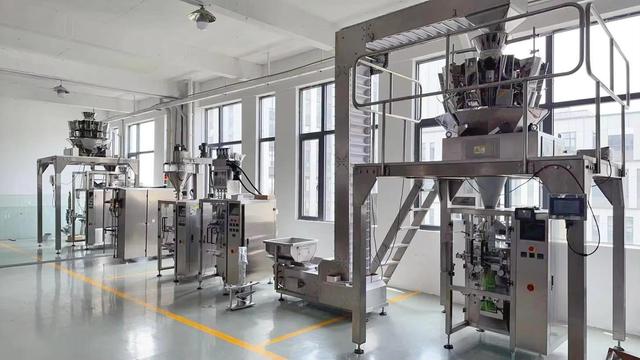
A closer look inside our 20,000 square meter factory, assembly departments, and engineering zones in Dongguan, China.
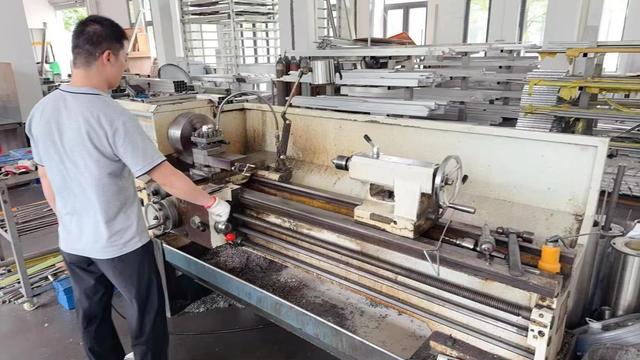
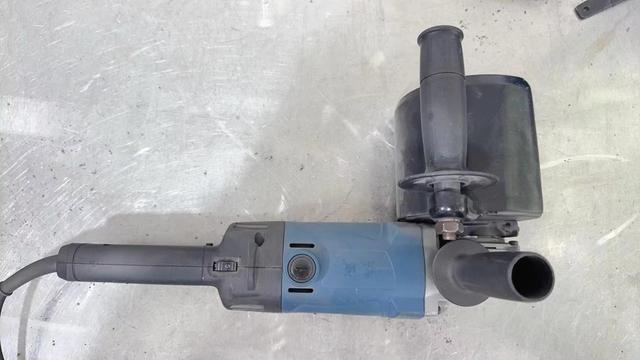
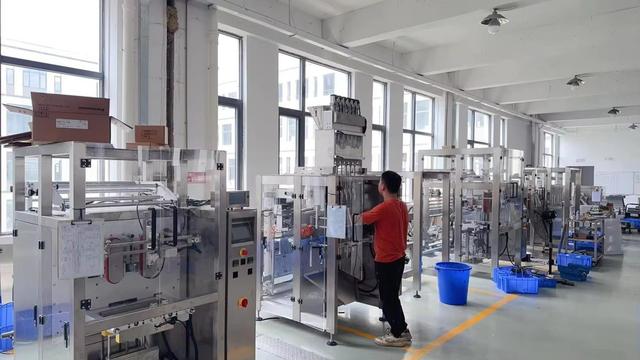
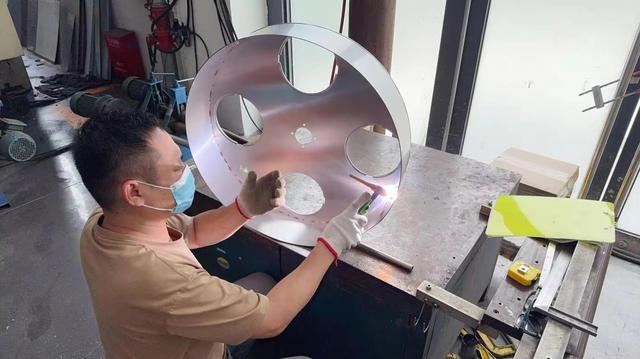
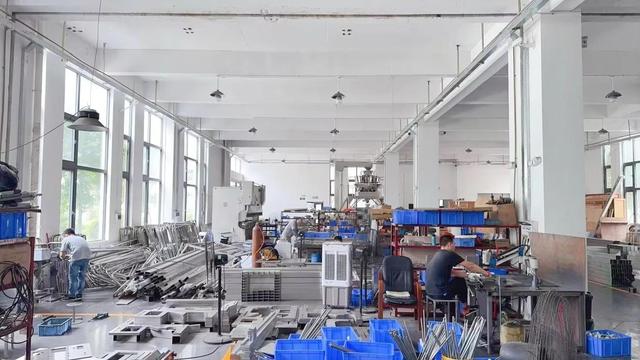
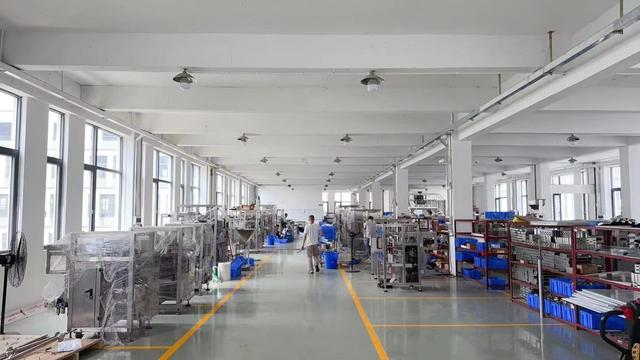
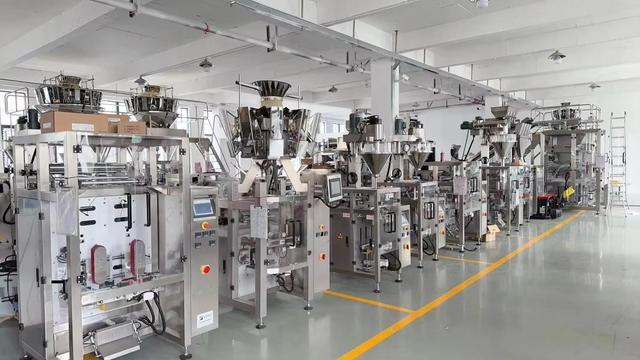


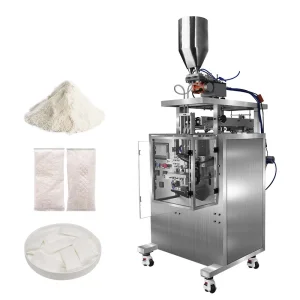
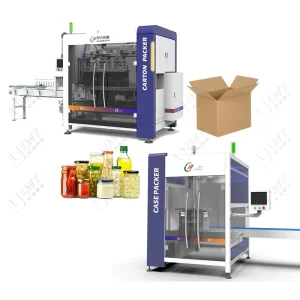
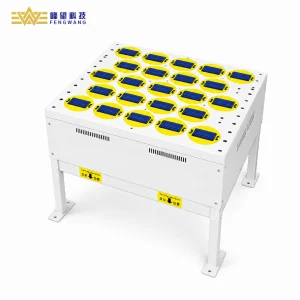
Explore our industrial range of sorting modules, metal detectors, heavy duty racking, and high productivity filling systems.
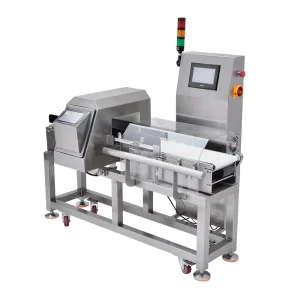
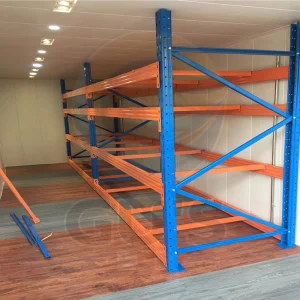
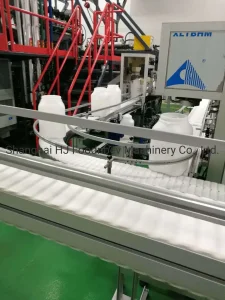
Key technical and logistics inquiries regarding the wholesale purchase, integration, and import of automatic weighing equipment from China.
Weighing accuracy is determined by load cell responsiveness (EMFR vs. strain gauge), local floor vibration levels, and dynamic feeding speeds. Our systems integrate advanced Digital Signal Processing (DSP) filters that isolate machine-induced vibrations from true weight measurements, maintaining high precision even in challenging production environments.
We provide full customization, including custom conveyor widths, custom load capacities, specific reject mechanisms, and customized control software (such as custom PLC logic and HMI language support). Our team works directly from your factory CAD layouts to ensure the system is optimized for your space.
Our standard export models are fully CE certified. Depending on your destination country's regulations, we can design control panels that meet UL standards for the USA and Canada, and configure systems to align with OIML and MID legal metrology directives.
Standard machines can ship within 30 days. Custom integrations, multi-stage sorting lines, or custom packaging systems generally require 45 to 60 days from final CAD layout approval to Factory Acceptance Testing (FAT) completion.
We offer online remote diagnostic support, PLC program modification, and comprehensive parts lists. Key electrical and pneumatic parts (such as SMC pneumatics and Schneider Electric components) are globally sourced, making replacements easy to find locally. We also ship custom replacement parts directly from our warehouse via international express.
 JSG Machinery