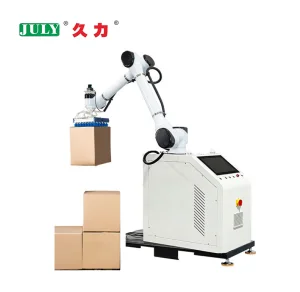
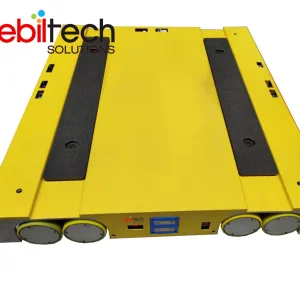
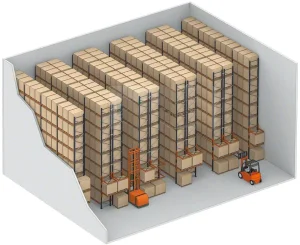
Highly adaptable, high-efficiency pallet handling and robotic palletizing units designed to integrate seamlessly into active production lines.
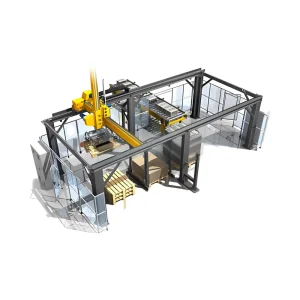
Portugal is rapidly emerging as a vital manufacturing, assembly, and logistical hub in Southern Europe. Strategically positioned along major maritime trading routes, hubs such as the Port of Sines, Porto (Leixões), and the industrial zones surrounding Lisbon, Setúbal, and Aveiro are experiencing a major technological shift. Traditional sectors—including food processing, wine and beverage production, cork manufacturing, automotive assemblies, and chemical processing—are transitioning from semi-automated configurations to fully integrated Industry 4.0 systems.
This transformation is primarily driven by three key factors: severe labor shortages in heavy industrial operations, the escalating costs of energy and floor space, and the critical need to comply with stringent European occupational health and safety regulations. Manual palletizing of heavy bags, cartons, and chemical drums is no longer economically viable or compliant with EU ergonomic directives. By adopting advanced, automated packaging lines and robotic palletizing systems, Portuguese enterprises are achieving high consistency, minimizing workplace injuries, and accelerating their throughput capacities to remain competitive in the global market.
In the northern manufacturing districts around Porto and Braga, automated palletizing systems are primarily optimized for high-speed food packaging, textile shipments, and consumer goods. In the central agricultural plains and coastal zones near Lisbon and Setúbal, the emphasis shifts to chemical bags, heavy building materials (such as gypsum, mortar, and cement), and beverage bottling plants. By utilizing programmable logic controllers (PLCs) with multi-lingual user interfaces, local operators can easily shift between product dimensions, pattern layouts, and cycle speeds without long downtime periods.
"Modernizing the end-of-line packaging infrastructure in Portugal is no longer a luxury; it is a foundational requirement to maintain operational margins within the single European market."
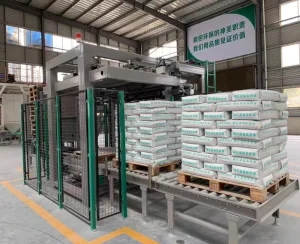
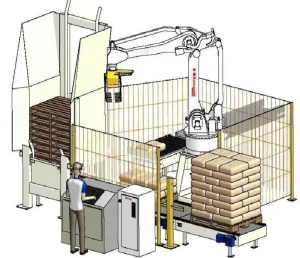
Industrial-grade automated conveyor loops and robotic stackers designed to handle demanding payload requirements.
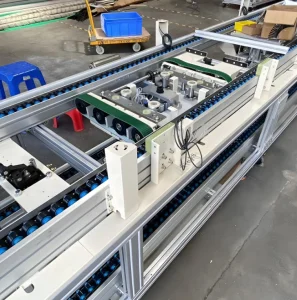
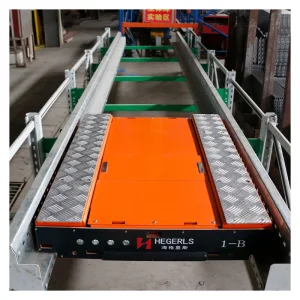
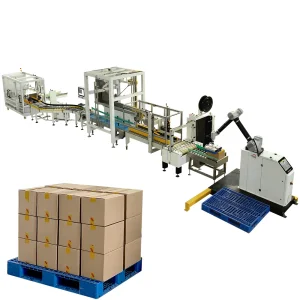
In the post-pandemic industrial landscape, global procurement managers prioritize supply chain resilience, mechanical reliability, and technical scalability above all else. China's Factory 4.0 ecosystem has matured into a global center for advanced automated machinery. By leveraging extensive vertical integration, highly refined component supply networks, and massive investments in high-precision CNC manufacturing, Chinese packaging and palletizing manufacturers deliver outstanding reliability with high value.
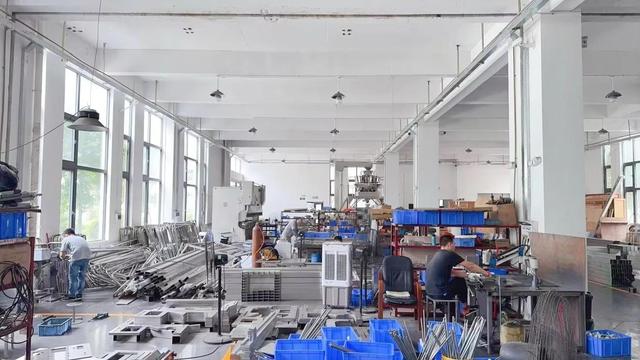
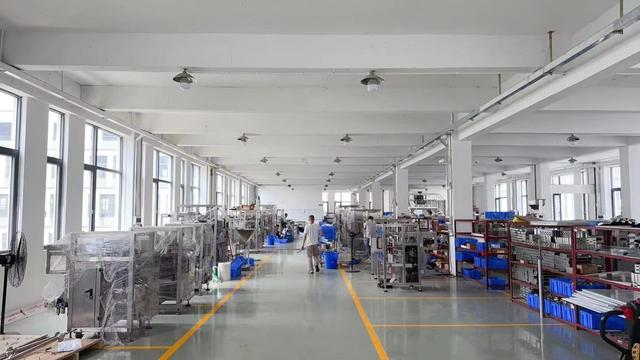
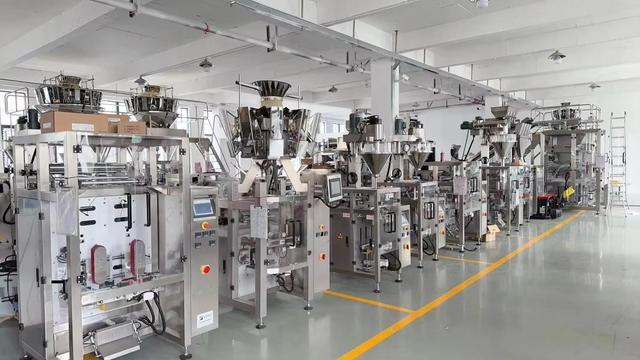
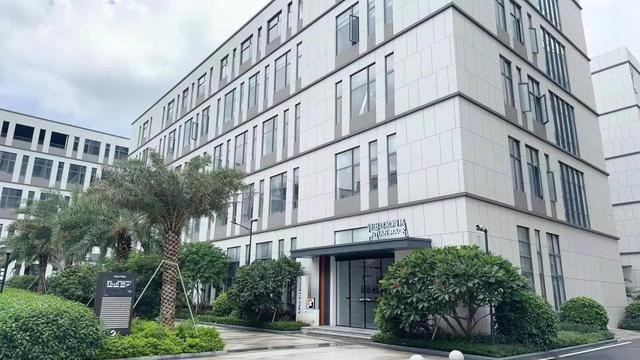
Dongguan JSG Machinery Co., Ltd. stands at the forefront of this industrial evolution. Established in 2010 and operating from a state-of-the-art 20,000 square meter facility in Dongguan, Guangdong Province, JSG Machinery has spent over a decade perfecting the synthesis between heavy mechanical construction and smart digital control. Our workforce of over 220 skilled engineers and system integrators is dedicated to designing custom automated lines that meet the strict mechanical, electrical, and safety requirements of the European Union.
Purchasing automated equipment across borders requires trust in engineering quality and long-term support. JSG Machinery addresses this by integrating globally standardized components—such as Siemens, Omron, and Mitsubishi PLCs, SEW-Eurodrive gearboxes, and Schneider electrical systems—ensuring that replacement parts are readily available within Portugal and Europe. Furthermore, every machine is subjected to rigorous stress tests and factory acceptance tests (FAT) before shipment, ensuring plug-and-play installation upon arrival at the Port of Lisbon or Porto.
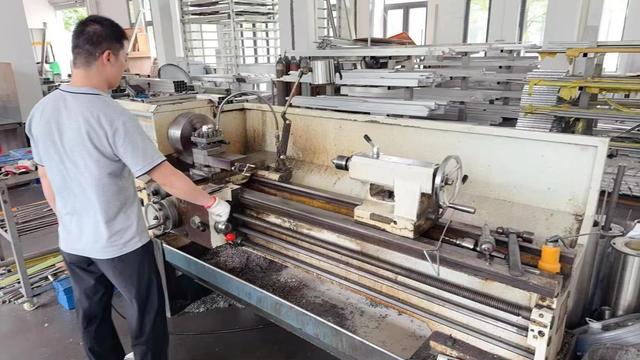
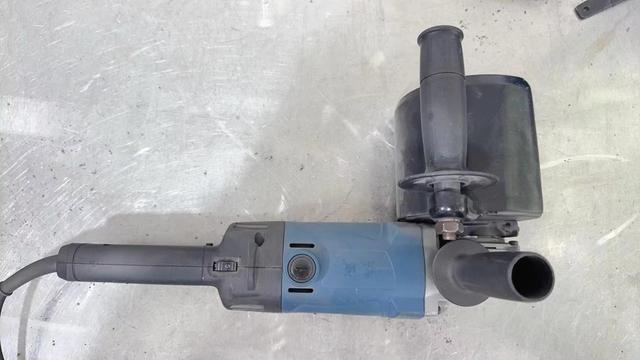
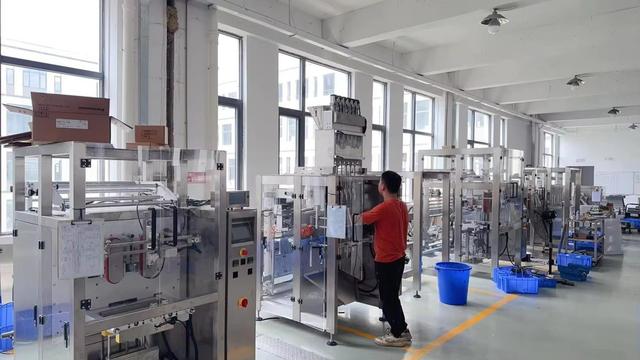
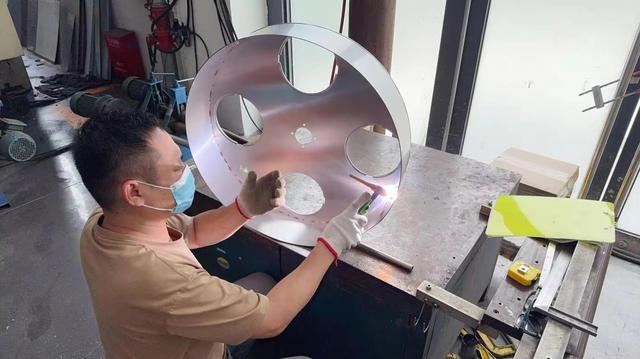
Explore our manufacturing floor, precise CNC machining centers, and comprehensive quality testing bays.

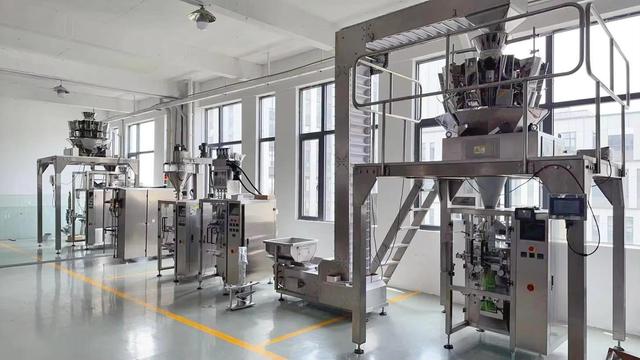
Selecting the ideal palletizing system involves evaluating several mechanical, electrical, and structural variables to ensure long-term efficiency and seamless integration. Portuguese engineering teams should prioritize the following criteria during system specification:
Our comprehensive portfolio of automated materials handling, high-density storage, and precision pallet stacking machinery.
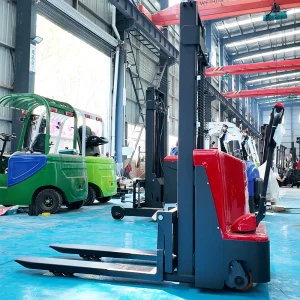
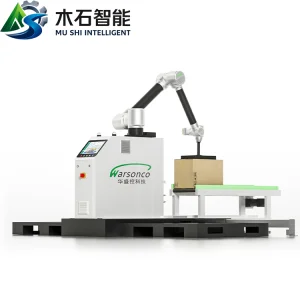
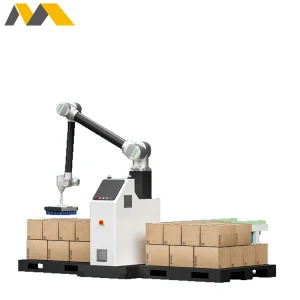
Essential answers regarding CE certification, installation logistics, PLC languages, and customs procedures.
Contact our sales and engineering team today to receive a detailed layout design, custom gripper evaluation, and competitive pricing for your facility.
Send Inquiry Now JSG Machinery