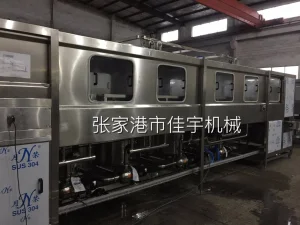
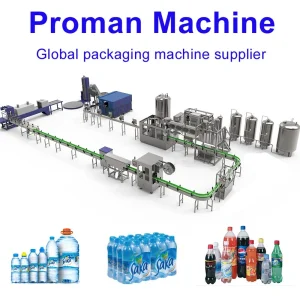
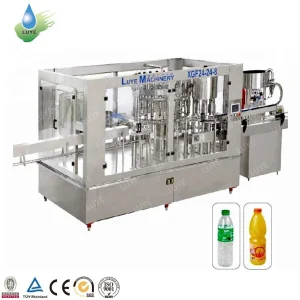
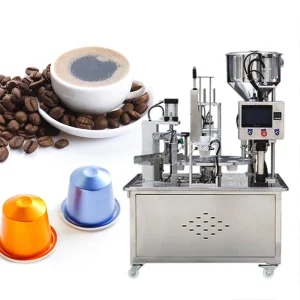
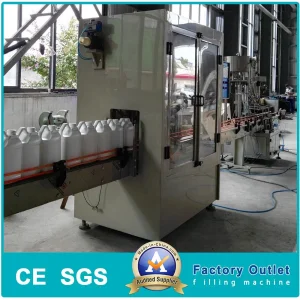
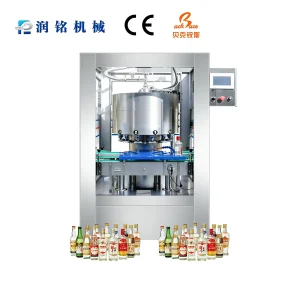
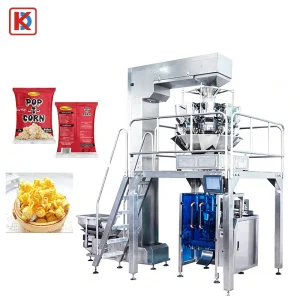
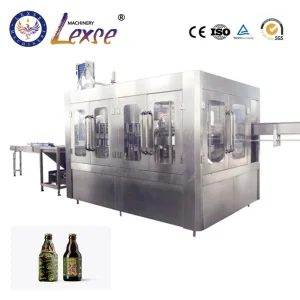
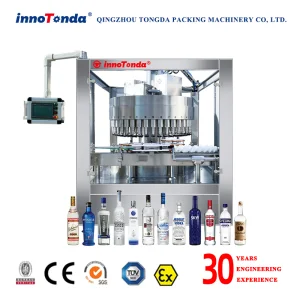
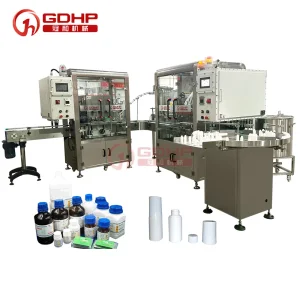
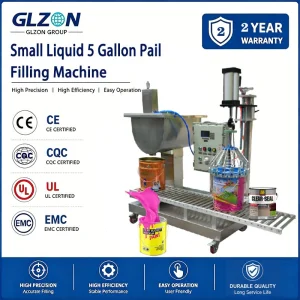
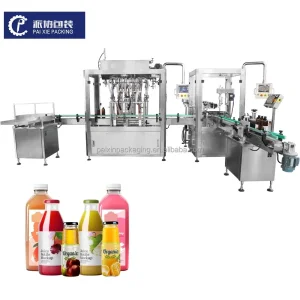
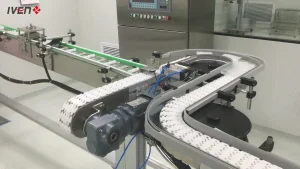
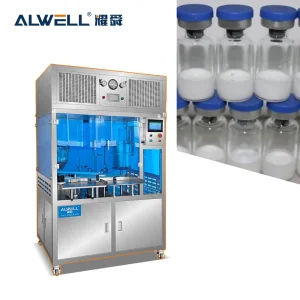
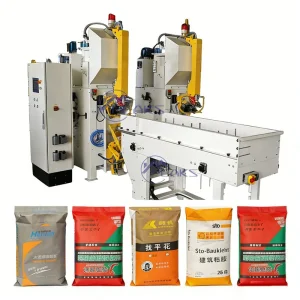
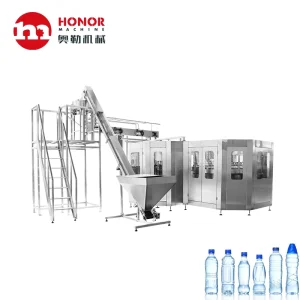
High-efficiency, automated machinery tailored for regional bottling operations and agricultural export processing plants in Timor-Leste.
Timor-Leste, as one of the youngest democracies in the world, is undergoing a profound structural transition. Historically dependent on subsistence agriculture and oil revenues, the national strategic development plan (2011-2030) highlights the critical importance of diversifying the economy. Establishing local light industrial capacity—particularly in food processing, beverage bottling, and consumer goods packaging—has become a priority to reduce reliance on costly imports.
Currently, towns like Dili, Baucau, and Ermera are witnessing an uptick in small to medium-scale packaging operations. As demand for clean drinking water, processed agricultural products, and hygiene fluids increases, local companies face the challenge of scaling production without the historical benefit of a mature domestic tool and machinery supply chain. This makes selecting an experienced and reliable international partner for filling machinery not just a commercial purchase, but a key strategic milestone.
For decades, finished goods such as bottled water, condiments, agricultural inputs, and cleaning agents were imported from neighbouring countries like Indonesia and Australia. However, high shipping freight costs, port delays, and currency fluctuations have created a strong economic case for domestic manufacturing. Developing local bottling lines using robust automation machinery allows Timorese companies to stabilize product prices, ensure consistent supply chains, and build local technical capability.
The global packaging sector is evolving rapidly under the influence of Industry 4.0, ecological mandates, and strict food safety regulations. When developing bottling lines in emerging markets, staying aligned with these global trends ensures that newly installed infrastructure does not become obsolete. These macro trends include:
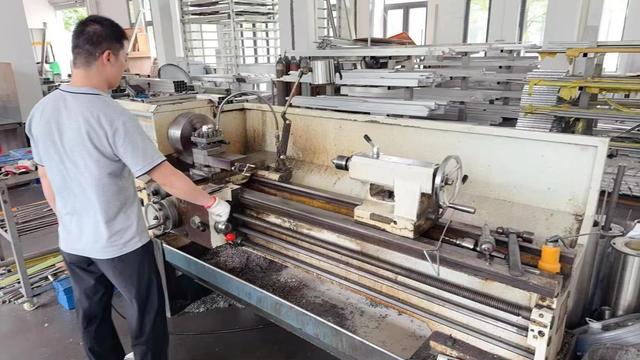
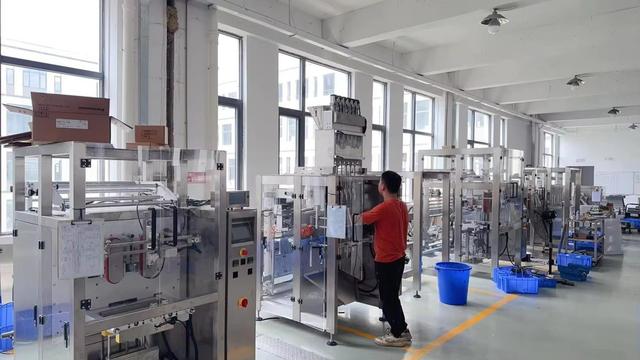
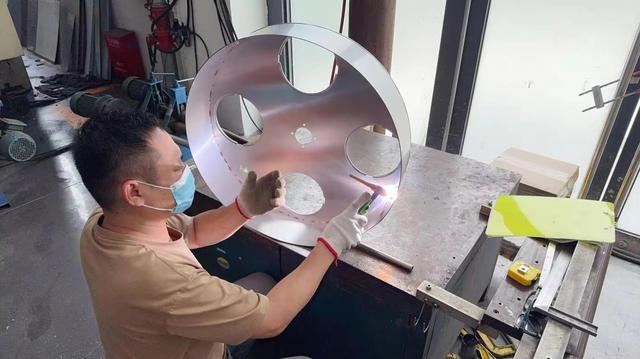
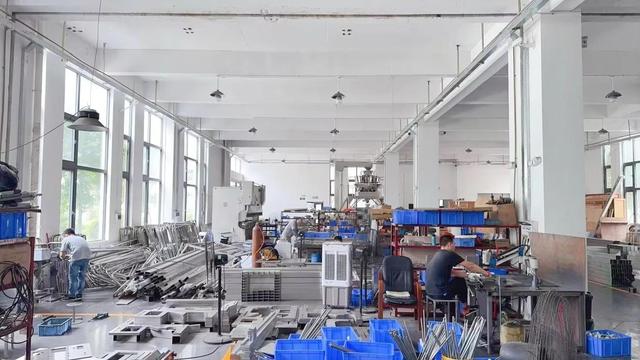
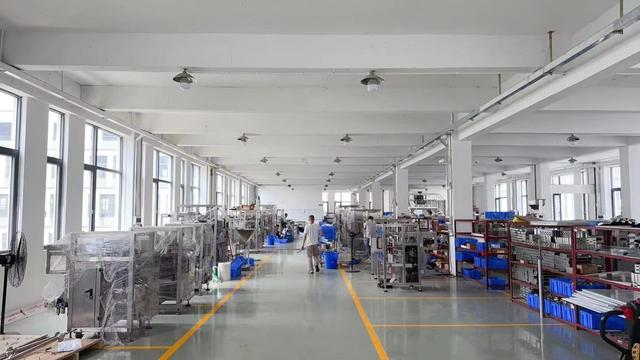
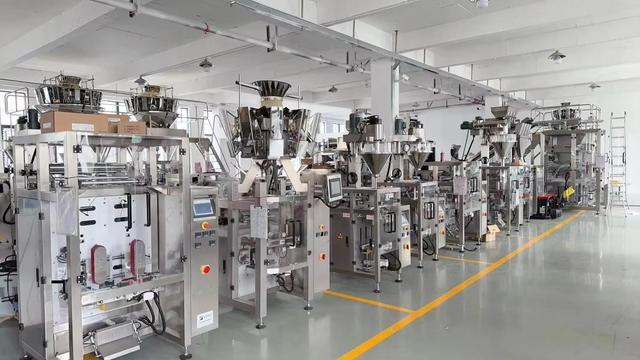
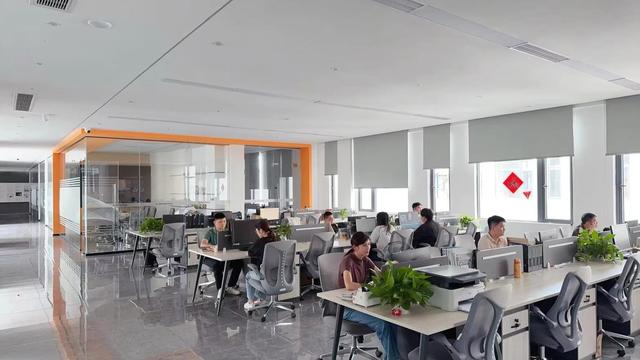
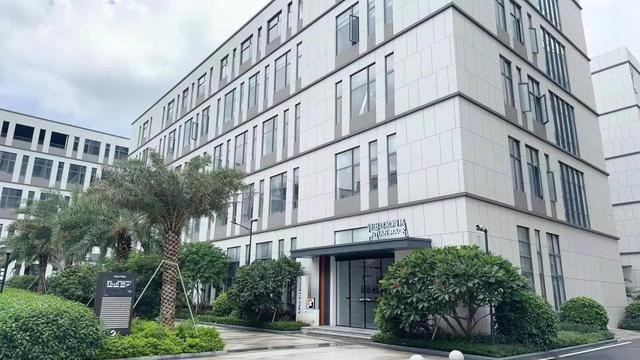
Established in 2010 with a modern 20,000 square meter production facility and more than 220 experts, we deliver custom automated packaging and filling systems worldwide.
Dongguan JSG Machinery Co., Ltd. is a leading manufacturer specializing in packaging machinery and automated packaging solutions for diverse industries globally. Located in the world manufacturing hub of Dongguan, Guangdong Province, the company integrates design, engineering, system configuration, and technical support. Our products are exported to North America, Europe, Southeast Asia, the Middle East, South America, and now support emerging enterprises in the Timor-Leste market.
By leveraging Chinese manufacturing efficiencies, JSG Machinery offers cost-effective equipment configurations built with premium components like Siemens PLCs, Omron sensors, and Festo pneumatics. This combination allows our clients to acquire high-speed, reliable bottling systems at a fraction of the cost of European equivalents, supported by tailored OEM/ODM design capability.
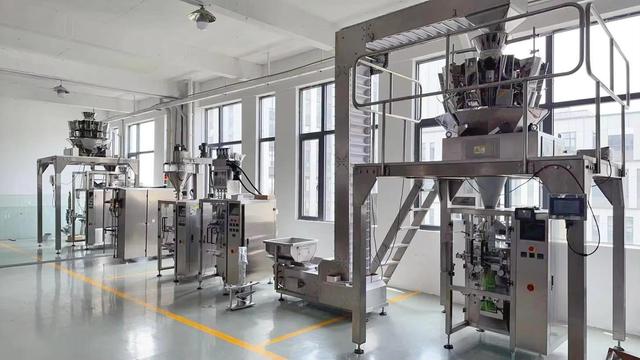
How local industries in Dili, Ermera, and Baucau leverage specific filling technologies to overcome production bottlenecks.
A key factor in the high failure rate of imported equipment in developing markets is the mismatch of utilities and maintenance resources. At JSG Machinery, we address this directly by modifying machine builds to suit the conditions of the installation site. For Timor-Leste, this includes:
Industrial power supplies can fluctuate in emerging markets. Our engineers equip automated systems with heavy-duty voltage stabilizers, surge protectors, and variable frequency drives (VFDs) that protect sensitive PLC circuits from brownouts or sudden spikes. Motors are configured to run natively on the 220V/380V 50Hz grid used in Timor-Leste.
Given Timor-Leste's tropical climate, coastal salinity, and high humidity, machinery must be constructed with high-grade stainless steel (SUS304 or SUS316L). Mechanical gear assemblies, pneumatic cylinders, and electrical enclosures are rated at IP65 or higher to prevent moisture ingress, corrosion, and untimely part failure.
Procuring heavy industrial capital machinery requires clear planning from order placement to shipping and commissioning. JSG Machinery provides an end-to-end global supply chain protocol:
Explore our diverse selection of industrial filling, sealing, and packaging equipment designed for maximum operational efficiency.
Essential insights for industrial planners and procurement departments sourcing filling machinery for Timor-Leste.
 JSG Machinery