Explore our foundational packaging technologies engineered to increase efficiency, guarantee precision, and facilitate seamless integration across production environments.
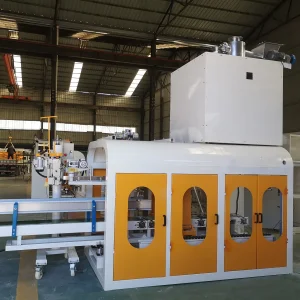
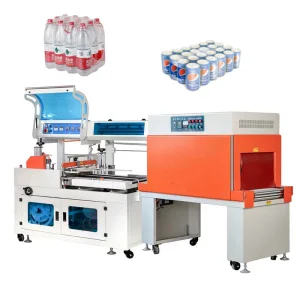
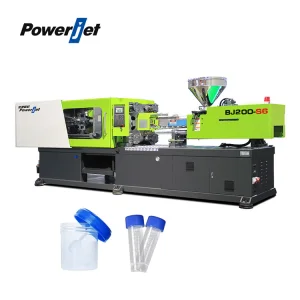
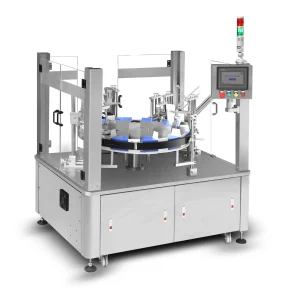
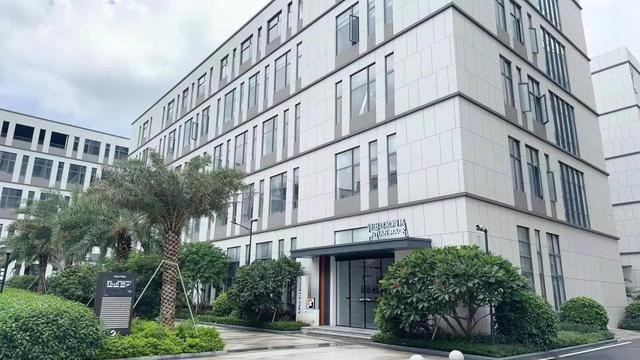
Established in 2010 and based in Dongguan, Guangdong Province—the heart of China’s advanced manufacturing sector—Dongguan JSG Machinery Co., Ltd. is an industry-recognized pioneer in engineering robust automated systems. Spanning a modern production footprint of 20,000 square meters and powered by more than 220 skilled specialists, we supply certified automated answers across the globe.
We maintain an intensive focus on development, fabricating premium filling machines, smart weighing systems, automated bagging gear, vertical packaging machines, pneumatic conveying systems, and end-of-line quality verification systems. Every system is constructed under a strict ISO-regulated framework to ensure high uptime and continuous operation.
To adapt to rapid industrial transformations, we offer end-to-end OEM and ODM support. From tailoring initial product layouts and configuring custom PLC logic structures to mechanical line balancing, JSG works collaboratively with operators worldwide.
An authoritative analysis of HFFS technologies, international production demands, and market adaptation frameworks.
In the modern era of industrial automation, Horizontal Form Fill Seal (HFFS) systems represent a cornerstone of flexible packaging lines. These systems handle primary packaging by taking a single web of flat film, shaping it into a tube, inserting the product horizontally, and sealing it on both ends (commonly called flow-wrapping). The high efficiency and continuous flow of these machines make them essential for high-throughput industries like confectionery, bakery, single-serve medical devices, and hardware parts.
Across Europe, North America, and emerging markets in Asia-Pacific, manufacturing facilities face a growing demand for speed and reliability. High-volume consumer goods require processing equipment that can operate around the clock with minimal maintenance. By implementing digital motion control and multi-axis servo motors, modern horizontal wrapping lines can achieve speeds of up to 400 to 600 packages per minute depending on product size. This capability helps manufacturers reduce unit production costs while maintaining high quality control standards.
Furthermore, regulatory requirements have pushed equipment suppliers to update their engineering standards. In the European Union and associated economic zones, a CE Certification is not simply a decorative label; it is a mandatory safety declaration. For machinery, this certification requires adherence to the Machinery Directive 2006/42/EC, the Low Voltage Directive 2014/35/EU, and the Electromagnetic Compatibility (EMC) Directive 2014/30/EU. It ensures that components, electrical wiring, and physical guards prevent workplace hazards, establishing high trust for international operations.
The horizontal packaging sector is currently shifting toward sustainability, smart factory connectivity, and adaptive control systems. Understanding these trends helps manufacturers plan investments for the coming decade:
Traditional multi-layer plastic laminates are being replaced by mono-material polymers and paper-based barrier films. Modern horizontal lines use smart sealing jaws with precise heat control to wrap delicate, eco-friendly substrates without causing burn-through.
Replacing mechanical gears and chains with independent servo motors allows operators to change product configurations on the fly. This architecture minimizes mechanical wear, reduces changeover times, and improves registration accuracy during packaging runs.
Integrating horizontal flow wrappers with local networks through protocols like OPC-UA enables real-time monitoring of temperature, speed, and jaw pressure. Algorithms analyze these data points to alert operators to potential issues before they cause downtime.
Food and pharmaceutical regulations require equipment that is easy to wash down and sanitize. Using smooth stainless steel surfaces, sloped designs, and toolless disassembly reduces clean-in-place (CIP) times and prevents cross-contamination.
We provide comprehensive, end-to-end production designs that integrate primary flow wrapping with secondary packaging processes.
Bakery products require delicate handling and controlled atmospheres to maintain freshness. Our integrated systems feature modified atmosphere packaging (MAP) by flushing nitrogen into the flow wrap envelope before sealing. This process extends shelf life naturally without chemical preservatives.
High-speed production of candies, chocolate bars, and tablets demands high synchronization between the manufacturing line and the packaging machines. We integrate rotary feeding discs and high-speed infeed conveyors to handle up to 600 packs per minute.
Syringes, tubing, and surgical kits require sterile packaging that meets ISO 13485 standards. Our horizontal flow wrappers are built with sanitary frames, vacuum scrap recovery, and tracking systems that pair with thermal printers for lot traceability.
Our engineering team answers common technical questions to help you choose, operate, and maintain your packaging systems.
The primary difference lies in the direction of the product feed path. In an HFFS system, products travel horizontally along a conveyor bed and pass into a pre-formed sleeve of film, which is then sealed horizontally. This setup is ideal for solid, single items like candy bars, trays, and individual medical products. In contrast, VFFS systems drop loose or granular materials vertically into a formed plastic tube using gravity, making them the preferred choice for powders, liquids, grains, and snack bags.
Our CE-certified machinery conforms to the European Union's harmonized standards. This includes installing safety interlocks on all access doors, using dual-channel emergency stop circuits, placing clear acrylic guards to prevent contact with heated parts or sealing jaws, and routing electrical systems in IP65-rated enclosures to protect against dust and water ingress.
Yes. Modern sustainable packaging initiatives require handling paper-based alternatives to plastic. Our sealing jaw profiles, heating elements, and tension-control rollers are optimized to process paper webs. Since paper does not stretch like polyethylene, our systems use sensitive tension controls and precision-guided folding boxes to prevent tears during operation.
A standard horizontal flow wrapper requires approximately 3.5 to 5 meters of linear floor space, including the infeed conveyor. It typically runs on a 220V/380V three-phase electrical supply and needs clean, dry compressed air at 0.6 MPa. The exact requirements vary based on custom components like nitrogen flushing systems, print registration eyes, or automated feeders.
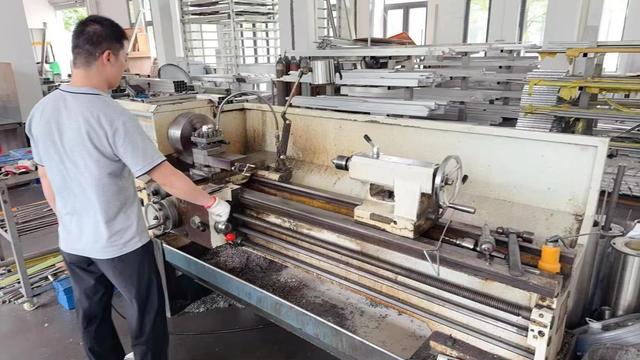
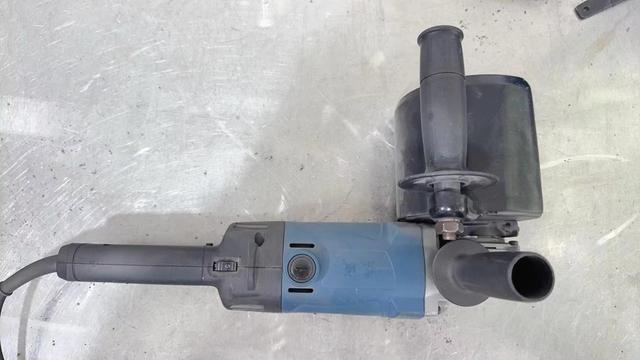
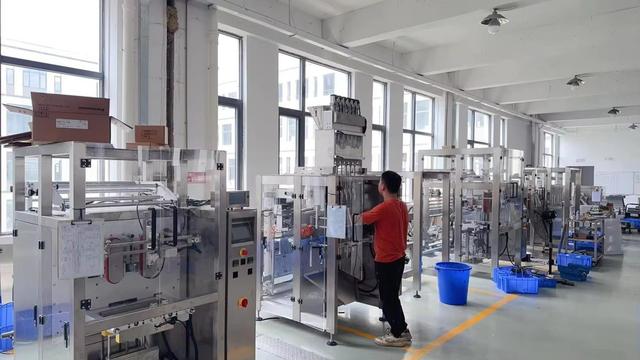
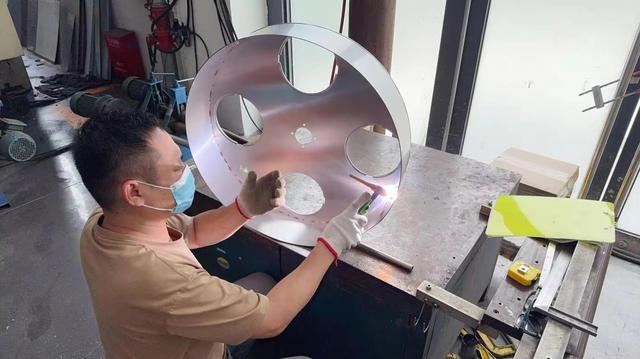
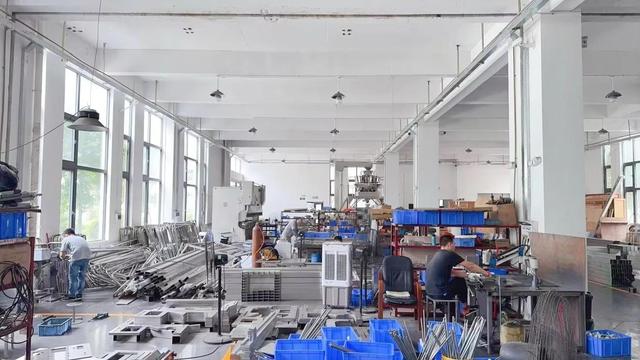
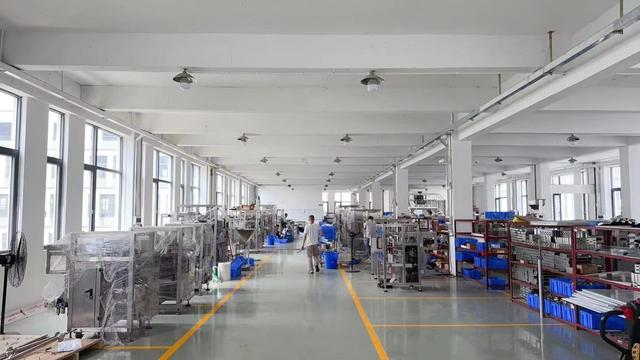
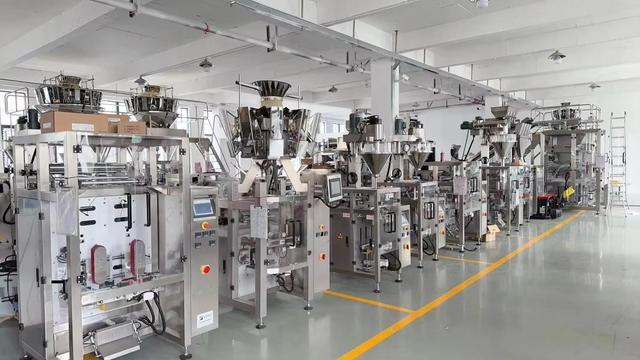
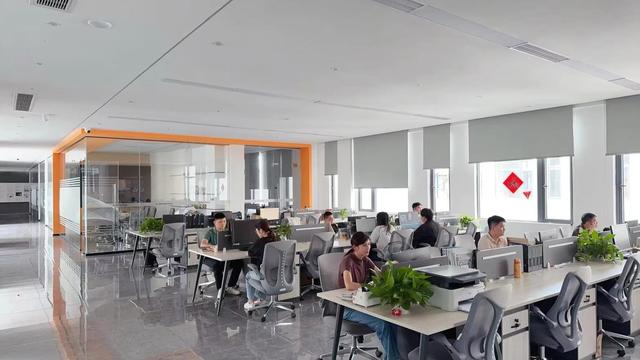
A look inside our manufacturing floor, detailing our machining centers, assembly halls, and quality control systems in Dongguan.
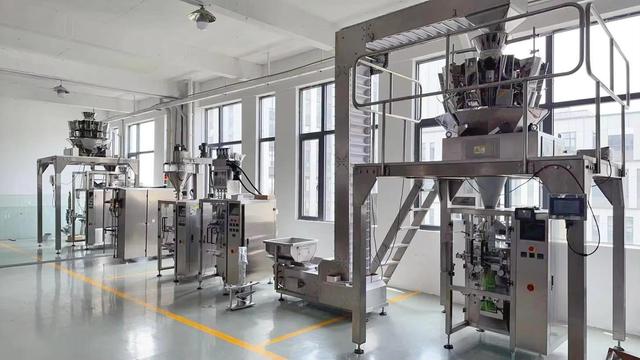
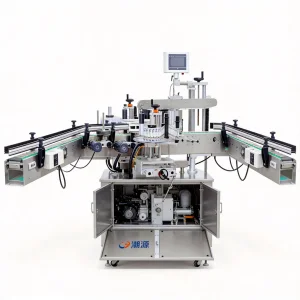
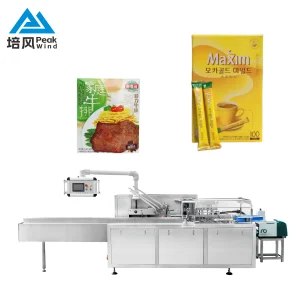
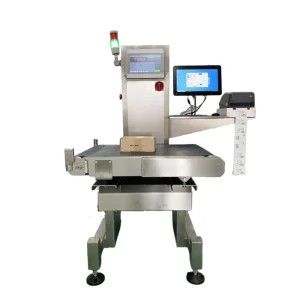
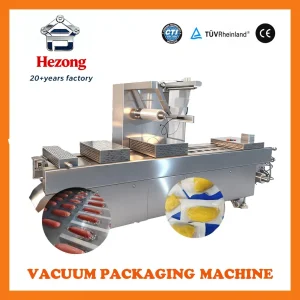
Complete your operations with sorting systems, high-capacity weighers, custom thermoformers, and automated mineral water packaging lines.
 JSG Machinery