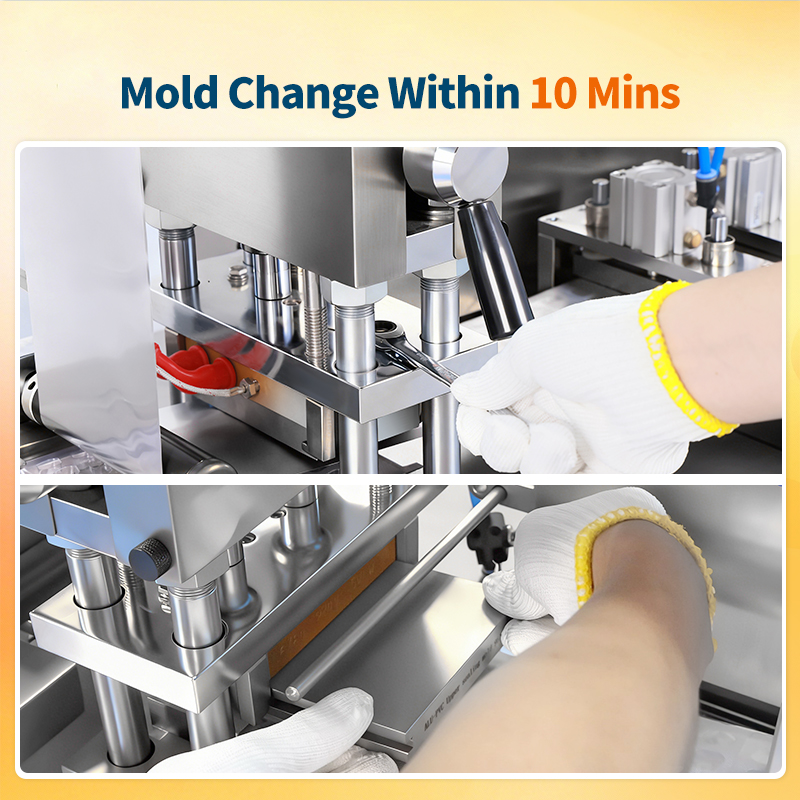
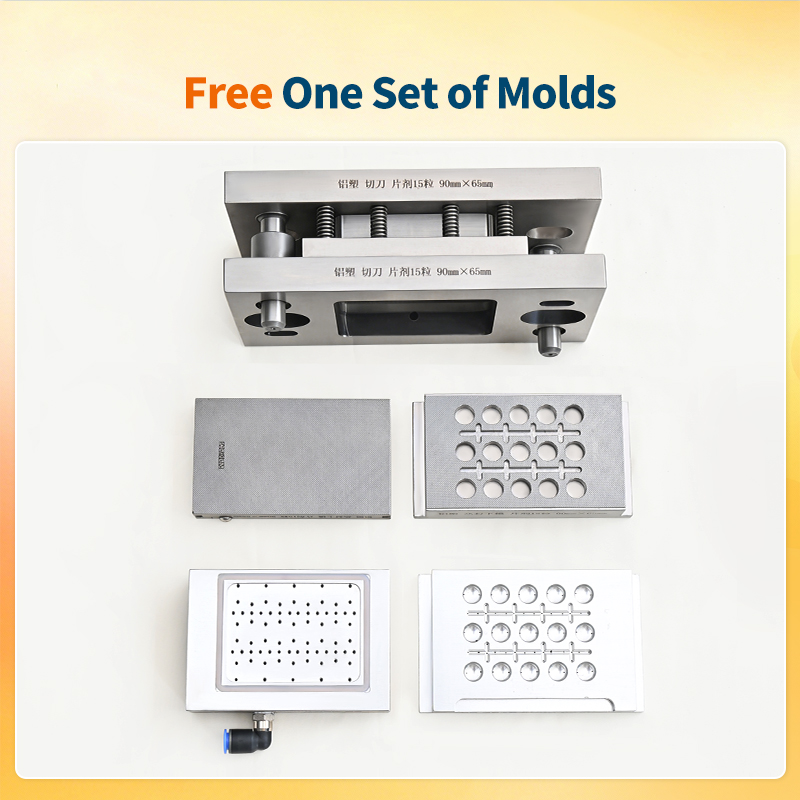
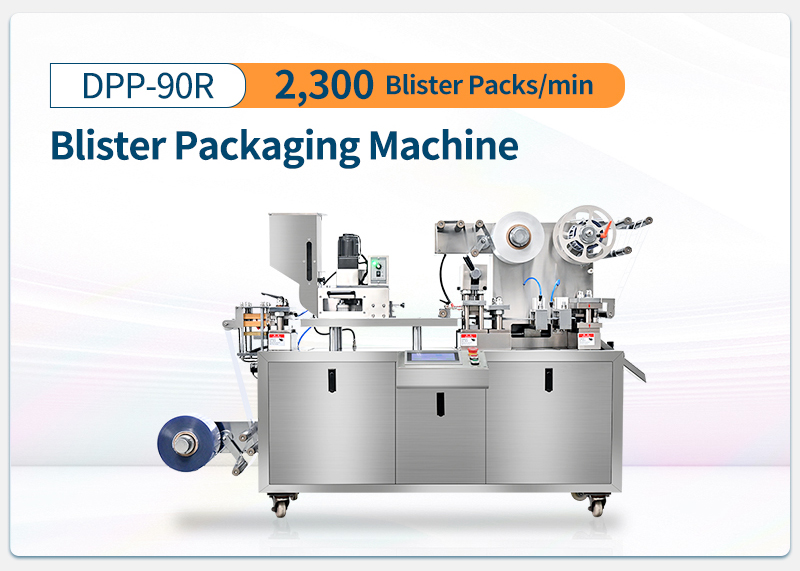
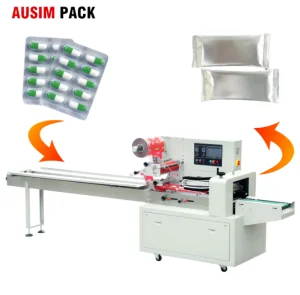
The mold changing process for blister packing machine is a standardized procedure. Its core lies in quickly, accurately, and safely switching the forming mold, heat-sealing mold, punching mold, and related components from one product specification to another.
1. Preparation and Shutdown: The operator calls the preset parameter formula for the new product and prepares the corresponding new mold components (forming lower mold, upper mold, punching mold, etc.). The machine is completely stopped, the main power is turned off, and the safety locking procedure is executed.
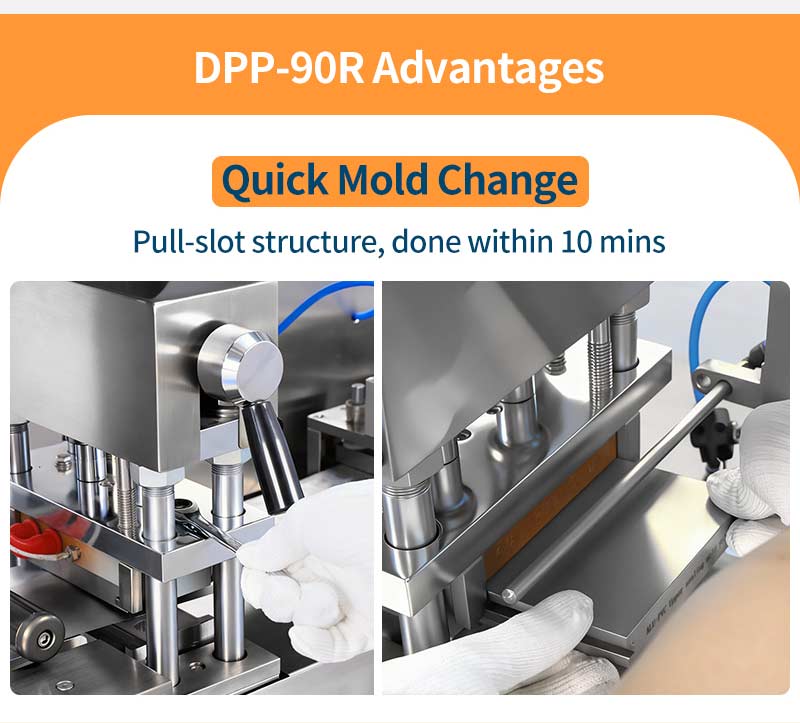
2. Removing the Old Mold: Loosen the mold fixing devices (quick clamps) at the forming station, heat-sealing station, and punching station. Move the old upper and lower molds out of the machine's working area as a whole.
3. Installing and Aligning the New Mold: Push the pre-cleaned new mold components into the machine. After initial fixation, perform precise positioning. This is the most crucial step: the operator uses handwheels to fine-tune the positions of each station to prevent blister packing from being compressed.
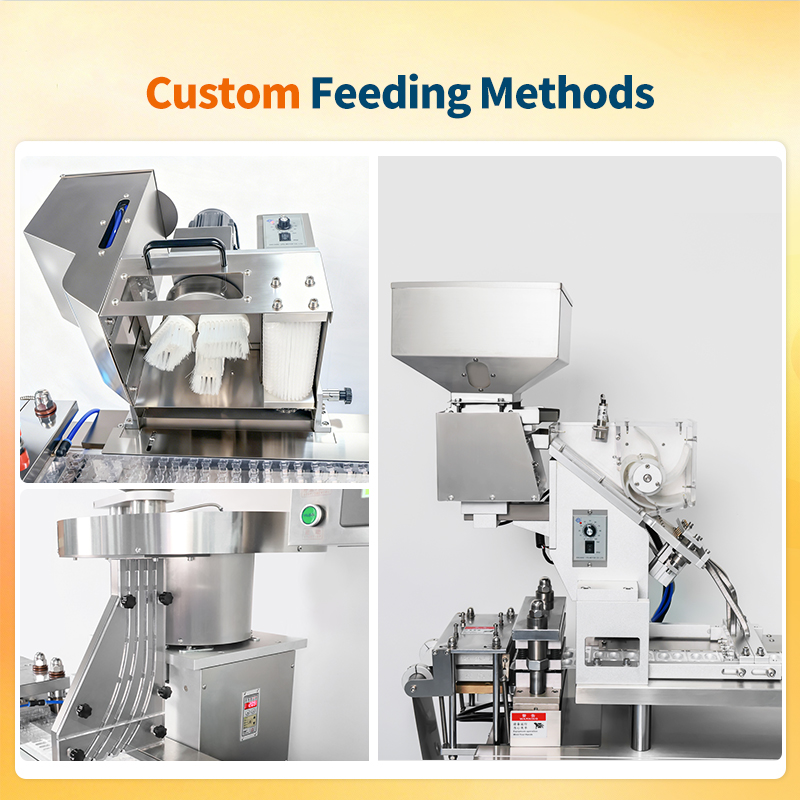
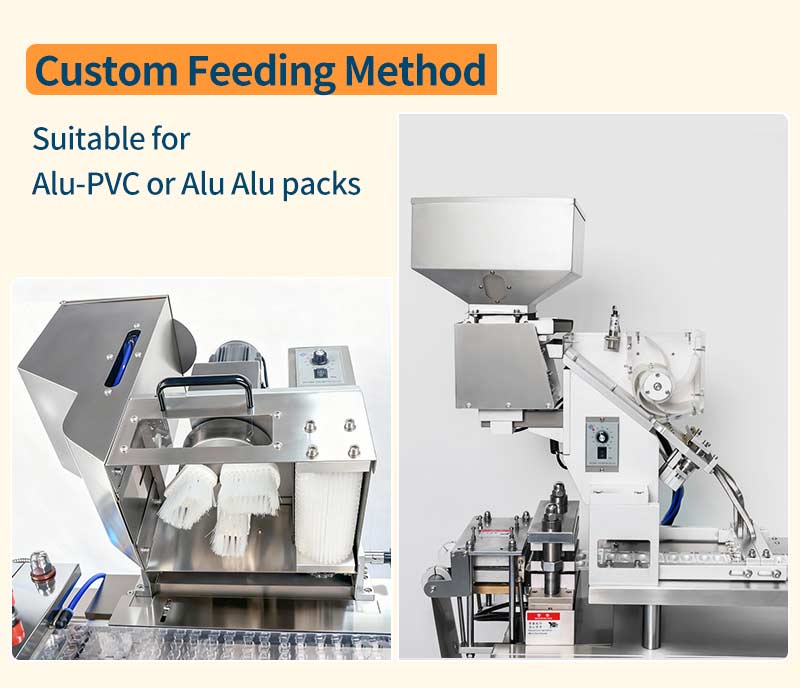
4. Adjustment and Testing: Install the matching feeder funnel, indexing plate, or sealing mold. Run the machine at low speed in manual mode and perform a no-load test using a test plastic film and aluminum foil. Check the forming depth, blister appearance, sealing line quality, and punching margin. Fine-tuning of the forming temperature, vacuum pressure, sealing pressure, and punching phase is usually required until a qualified sample is produced.
What is the core objective of the mold changing process?
The core objective is to quickly, accurately, and safely switch various molds (forming, heat-sealing, punching) and components to adapt the machine to a different product specification.
Which brands are used for the machine's electrical components?
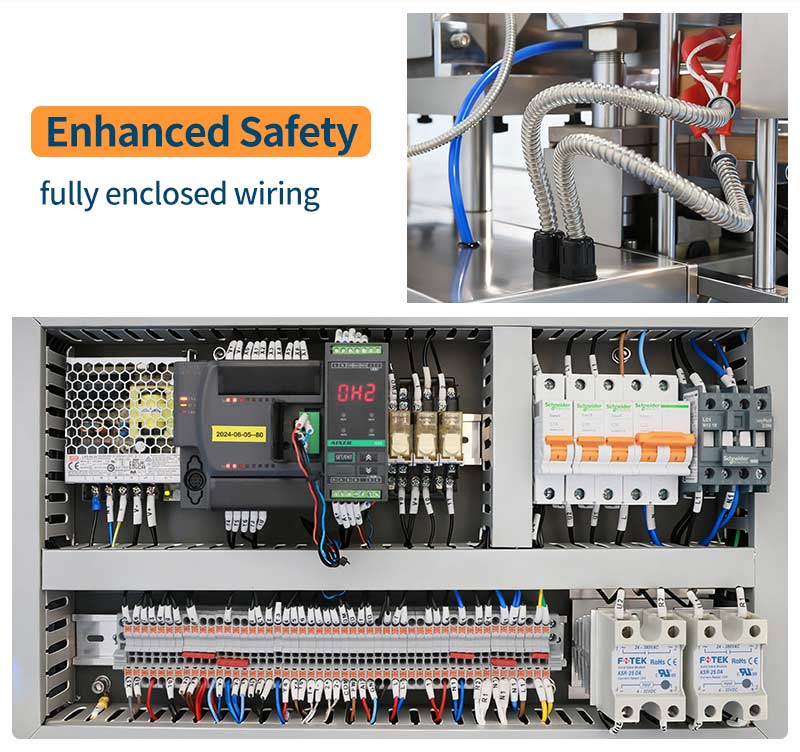
The machine utilizes high-quality components including Schneider for air circuit breakers and emergency buttons, Omron for relays, and customized Libang motors.
What safety measures are required before removing old molds?
Before any mold removal, the machine must be completely stopped, the main power turned off, and the safety locking procedure must be fully executed.
How is precise alignment achieved during new mold installation?
Operators use handwheels to fine-tune the positions of each station after initial fixation. This ensures that the blister packing is not compressed and is correctly aligned.
What parameters are adjusted during the testing phase?
During the low-speed manual test, operators check and fine-tune the forming temperature, vacuum pressure, sealing pressure, and punching phase to ensure qualified sample production.
What is checked to confirm a qualified sample?
The quality is determined by checking the forming depth, the physical appearance of the blister, the quality of the sealing line, and the accuracy of the punching margin.
 JSG Machinery