Choosing the right feeder for a blister packaging machine is a critical decision, primarily depending on the product's physical characteristics, production speed, and precision requirements. Here's the main selection logic:
1. For Regular Solids (Tablets, Capsules)
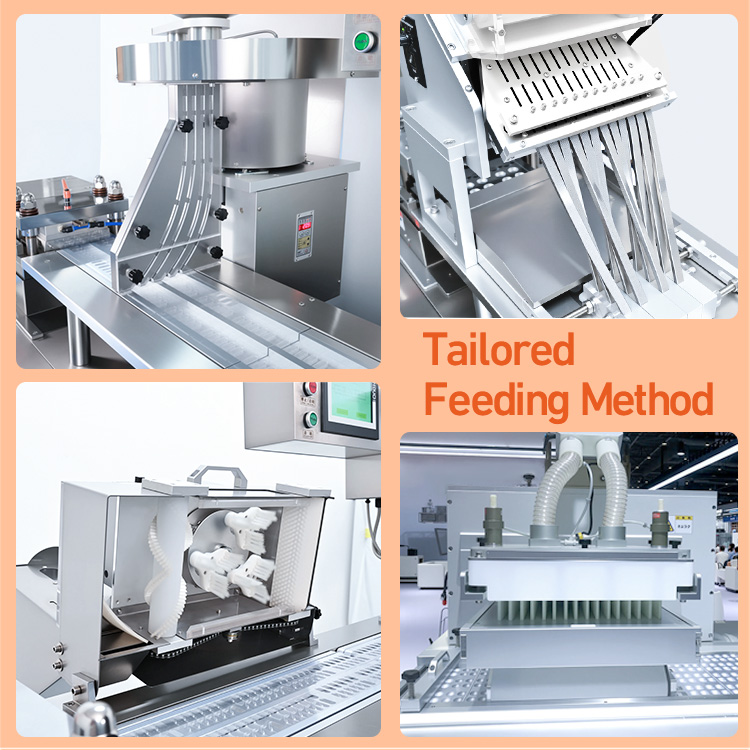
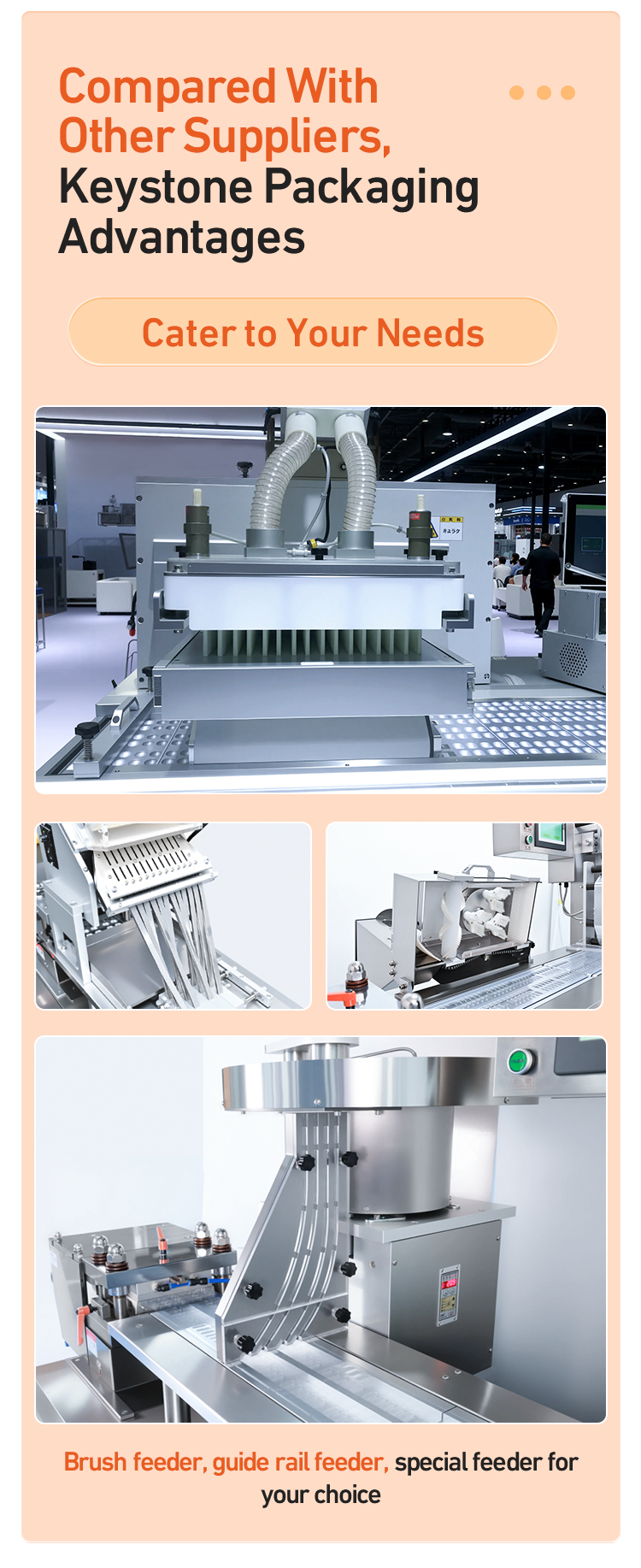
- Vibratory feeder/gravity chute systems: Preferred for low-cost, fast, and highly reliable operations. Uses vibration to sort products into single rows before they fall into the blister pack. The mainstream choice for standard tablets.
- Rotary (indexing) feeders: Used for high-precision requirements. Products are filled into rotary holes synchronized with the mold, then pushed into the blister pack, achieving almost 100% precision. Suitable for easily tumbling products like capsules.
- Brush feeders: Chosen for low-volume production. Products are brushed directly into the blister pack. Suitable only for aluminum-plastic packaging (aluminum-aluminum packaging will scratch the foil).
2. For Fragile, Irregularly Shaped, or Directional Products
- Vision-guided robotic feeding systems: Essential for products like syringes, large capsules, or gummies. Equipped with vision cameras to identify orientation and position. Uses customized grippers for flexible and precise placement. It offers the highest flexibility and prevents product damage, although it is the most sophisticated option.
❓ Frequently Asked Questions
Q1: Which feeder is best for standard pharmaceutical capsules?
For standard capsules, vibratory feeders are the most common due to their speed and reliability. However, for 100% precision and to prevent tumbling, rotary indexing feeders are recommended.
Q2: Can I use a brush feeder for Alu-Alu (Aluminum-Aluminum) packaging?
No, it is not recommended. Brush feeders can scratch the aluminum foil in Alu-Alu setups. They are better suited for aluminum-plastic packaging.
Q3: When should I invest in a vision-guided robotic feeder?
You should opt for a vision-guided robotic system if you are handling fragile, irregularly shaped, or directional products like syringes and gummies that require precise placement without damage.
Q4: What are the main benefits of using Siemens PLC in these machines?
Siemens PLC modules provide high stability, global support, and precise control over the feeder synchronization and packaging speed, ensuring consistent production quality.
Q5: How does the feeder affect the overall production speed?
The feeder is often the bottleneck of the machine. Choosing a high-speed vibratory or rotary system can significantly increase the blister packs produced per minute compared to manual or brush feeding.
Q6: Are the feeders easy to change for different product sizes?
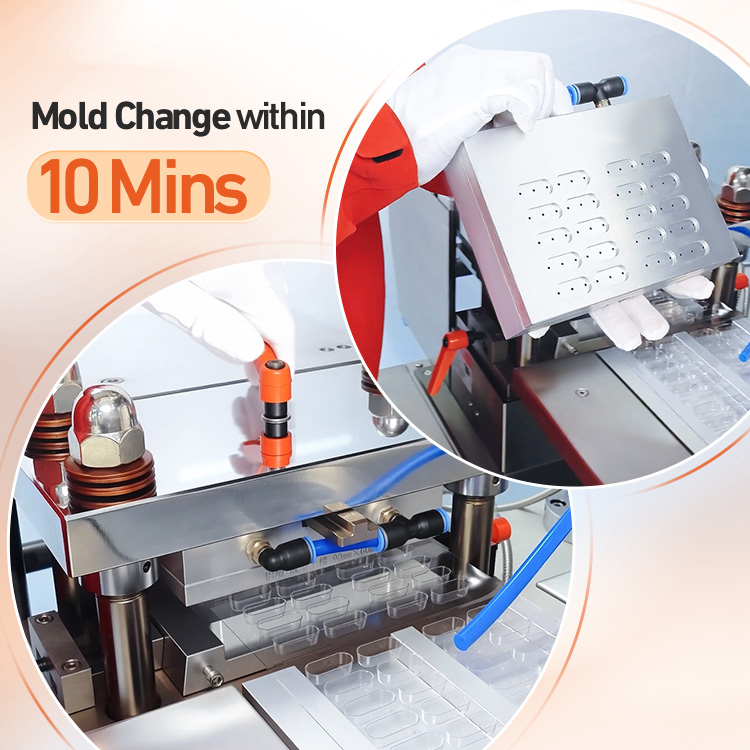
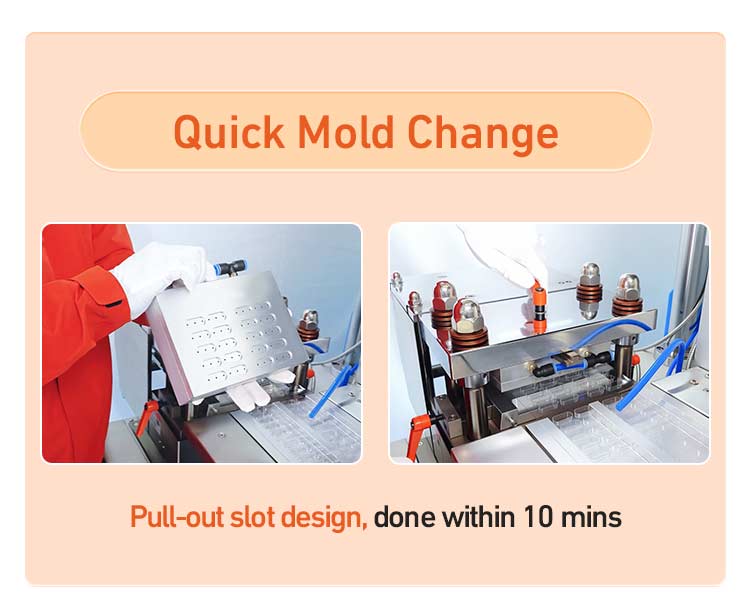
It depends on the type. Vibratory and brush feeders are relatively simple to adjust, while rotary feeders and robotic grippers may require specific parts for different product molds, which takes more time for changeover.
 JSG Machinery