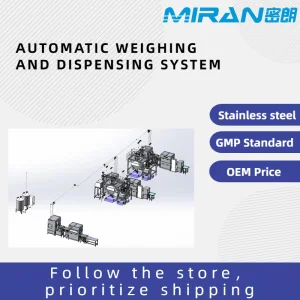
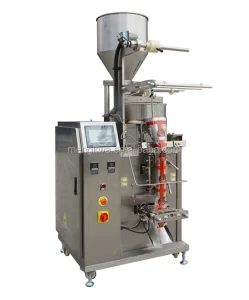
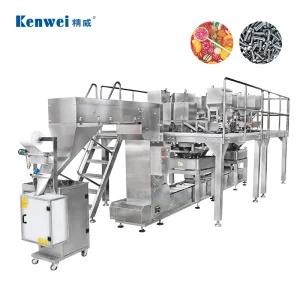
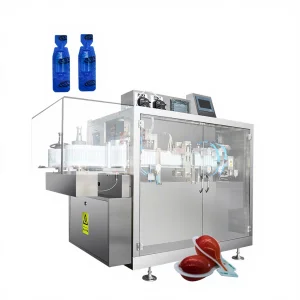
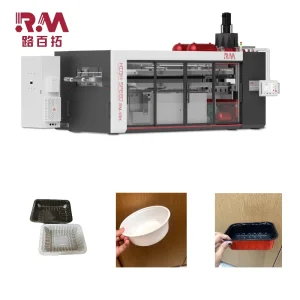
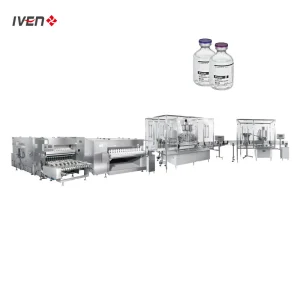
Explore our primary selection of industrial packaging machinery and components engineered to optimize assembly efficiency, liquid filling accuracy, and high-speed thermoforming configurations.
Navigating the technology shifts, global sourcing demands, and integration strategies of Industry 4.0 packaging lines.
In modern manufacturing corridors, the efficiency of packaging lines plays a central role in sustaining high overall equipment effectiveness (OEE). High-speed cartoning machines represent the crucial link in secondary packaging automation—converting flat blanks into erected, filled, and sealed consumer-ready boxes. The global demand for high-speed cartoners has transitioned from standard mechanical layouts to integrated, servo-driven mechatronic units that coordinate seamlessly with primary packaging stages, such as blister forming, bottle filling, and vertical sachet filling lines.
As factories in Europe, the Americas, and Southeast Asia strive to minimize footprint and reduce cycle times, Chinese OEMs have established a dominant position in manufacturing high-efficiency cartoner structures. Modern Chinese packaging machinery factories integrate advanced motion controllers, precision guide systems, and customizable carton feeder designs that handle diverse grades of recycled, bleached, and corrugated paperboards without stalling production. This evolution ensures that manufacturing outputs remain highly agile under fluctuating product demands.
International procurement managers looking for cartoning solutions from China are no longer solely focused on direct capital expenditure savings. While cost efficiency is an undeniable advantage, the current decision matrix is heavily weighted toward systems reliability, compliance with regional mechanical standards (such as CE, UL, and GMP), and long-term lifecycle support. Modern sourcing demands dictate that machinery must easily integrate with existing warehouse control systems (WCS) and enterprise resource planning (ERP) platforms.
By shifting production configurations to standard PLC architectures (e.g., Siemens, Mitsubishi, or Omron) and incorporating modular mechanical tooling, leading China suppliers offer systems that require minimal localized technical training to operate. This reduces the barriers typically associated with cross-border machine deployments, enabling smooth factory-floor transitions during installation phases.
Enables swift changeover times for diverse package profiles, minimizing downtime and accelerating output transitions across production runs.
Ensures full compliance with international electrical codes, CE declarations, FDA-grade contact materials, and sterile GMP guidelines.
Direct integration of IoT gateways for remote diagnostics, real-time telemetry, and preventive system maintenance protocols.
A premier manufacturer and designer specializing in automated packaging machinery and global secondary packaging lines.
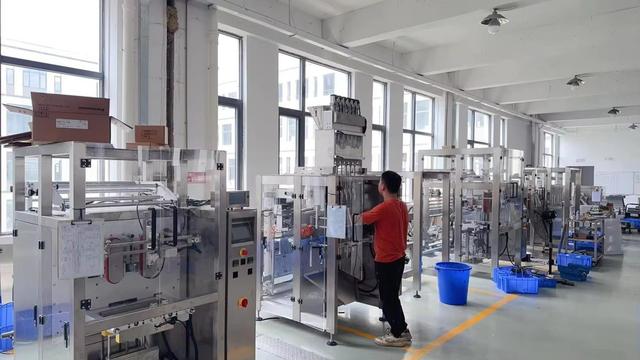
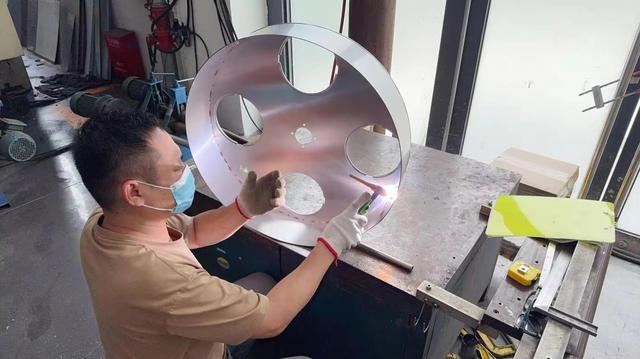
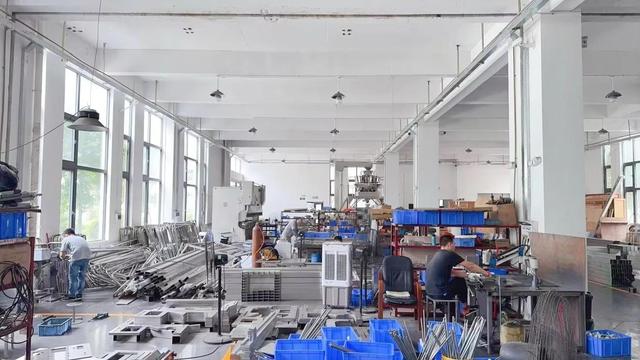
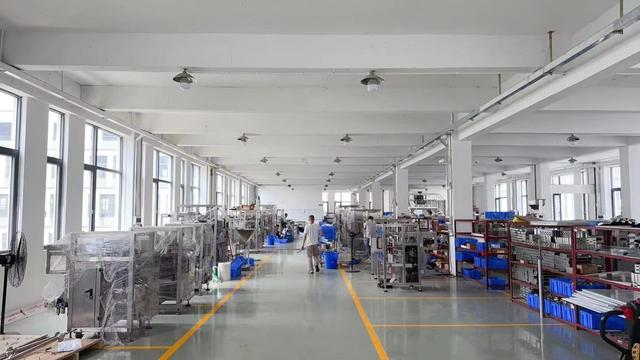
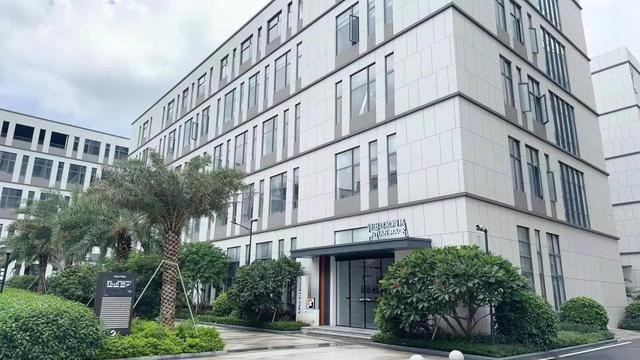
Established in 2010, the company is situated in Dongguan, Guangdong Province, an international manufacturing core in southern China. With a modern production facility spanning over 20,000 square meters and a dedicated team of more than 220 employees, JSG Machinery has structured strong execution capabilities in equipment design, industrial engineering, system integration, and overseas technical support.
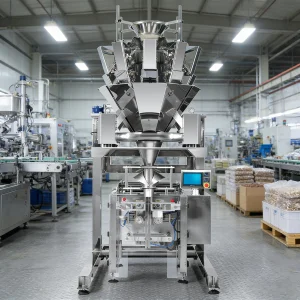
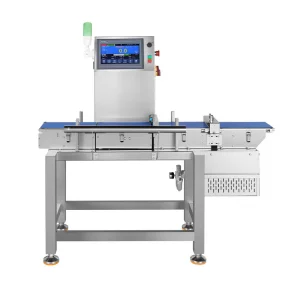
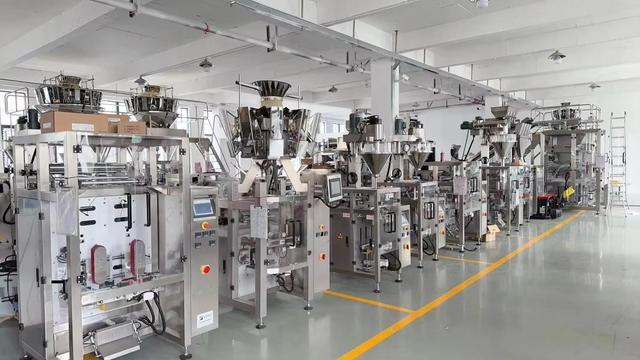
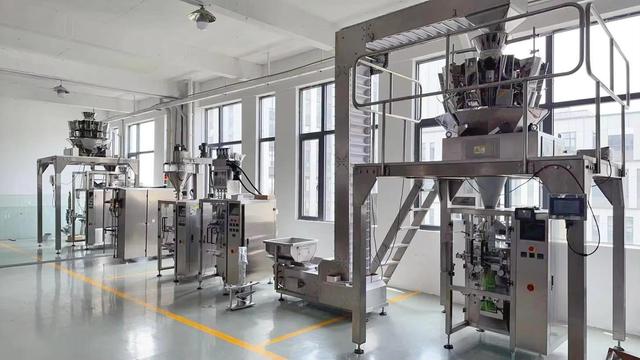
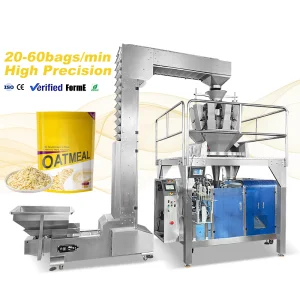
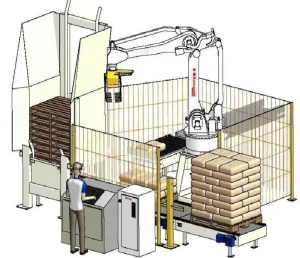
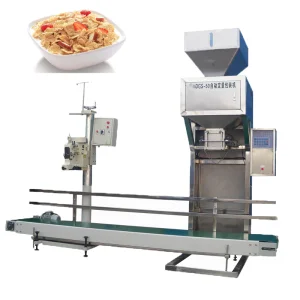
Our operational focus spans the custom design and assembly of high-capacity liquid filling machines, weighing setups, bag packaging units, vertical cartoning machines, heavy-duty conveying systems, checkweighers, and end-of-line packaging integrations. We cater to the food, pharmaceutical, chemical, and agricultural sectors, driving automation to optimize plant floor efficiency.

Predictive insights and architectural shifts guiding global carton packaging automation for the next decade.
Traditional cartoning relied heavily on physical cams and chain linkages to synchronize carton transport with product feeding. While robust, this limited the speed and flexibility of changeovers. Modern factories are moving toward high-speed continuous motion systems governed by multi-axis servo arrays. In these systems, optical sensors detect the position of incoming goods (such as bottles or blister cards) and synchronize the carton opening and feeding system on the fly. This prevents product blockages and minimizes mechanical wear-and-tear, significantly boosting overall production run times.
Sustainability mandates worldwide are forcing packaging designers to reduce plastics and adopt thinner, recycled cardboard. Recycled fibers often possess different tensile strengths and flexibilities than virgin fibers, posing challenges to older carton feeders. Leading developers address this by refining the vacuum pickup geometry and adjusting pre-breaking mechanisms. These adaptations prevent fiber tearing and jams, ensuring consistent carton erection even with lightweight or high-recycled-content materials.
Replacement of traditional mechanical gearing with decentralized servo networks, yielding 35% faster changeovers and higher motion profiling versatility.
Integration of high-speed Delta robots with intelligent machine vision to pick, align, and feed complex product shapes into carton feeders at rates exceeding 150 cycles per minute.
Development of cloud-based diagnostics and real-time load monitoring to enable predictive maintenance and self-adjusting vacuum pressure configurations based on board stiffness.
Technical solutions, validation procedures, and commercial support queries answered by JSG Machinery engineering experts.
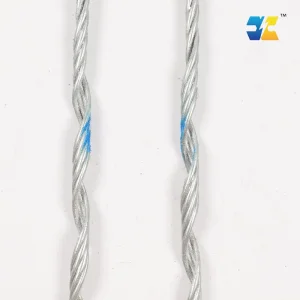
Discover our secondary portfolio featuring advanced weighing, robotic sorting, vacuum packaging systems, and structural power cable fittings.
 JSG Machinery