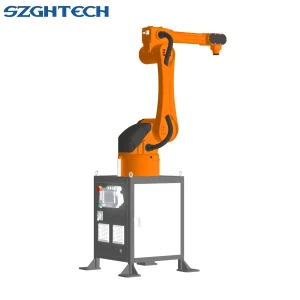
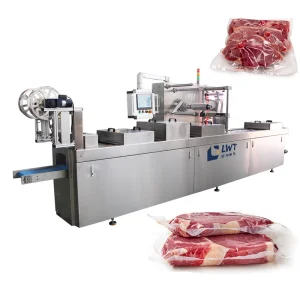
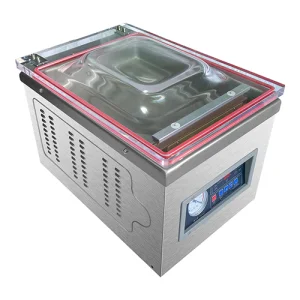
Explore our elite selection of end-of-line and conveyor solutions engineered for ultimate operational reliability.
In the era of Smart Manufacturing and Industry 4.0, End-of-Line (EoL) automation solutions are no longer luxury upgrades; they are structural necessities. The final stages of the packaging process—comprising product handling, cartoning, case packing, sealing, labeling, and palletizing—dictate the total throughput, quality consistency, and supply chain resilience of global manufacturing facilities.
As global labor dynamics shift and operational costs increase, manufacturers worldwide seek robust, turnkey automation solutions. End-of-line integration bridges the gap between raw product processing and shipping-ready logistics. For factories operating in high-volume sectors like Food & Beverage, Consumer Goods, Chemicals, and Pharmaceuticals, the lack of an optimized, integrated EoL setup creates severe bottlenecks that undermine previous production efficiencies.
This comprehensive whitepaper presents a rigorous analysis of the global EoL market landscape, highlights the technological benchmarks set by elite manufacturers, and outlines critical criteria for strategic procurement.
Year Established
SQM Factory Area
Expert Employees
Exporting Nations
To maintain competitiveness, manufacturers must align their procurement with the major architectural shifts happening in EoL systems. These trends guarantee the longevity and future-proofing of machinery investments:
The combination of multi-axis articulated robots and collaborative robots (cobots) has transformed palletizing and packing. Cobots work alongside human operators without massive safety enclosures, streamlining factory footprints.
Contemporary EoL solutions use smart sensors (vibration, heat, and cycle counters) linked to PLCs via EtherCAT or IO-Link. This data streams directly to cloud analytics engines, alerting operators to wear before failures happen.
With eco-regulations tightening, machinery must process diverse materials—such as biodegradable shrink films, thinner corrugated cardboard, and glue-free seal systems—with quick tooling changeovers.
The shift toward open-architecture automation platforms allows integration across different brands. A line using a Siemens PLC, SMC pneumatics, and Omron sensors can now easily exchange telemetry with warehouse management systems (WMS). This connectivity gives managers real-time visibility into overall equipment effectiveness (OEE).
Procurement processes in international organizations have evolved from simple cost-comparisons to complex evaluations of Total Cost of Ownership (TCO), risk assessment, and technical support frameworks. When sourcing high-speed automated packaging machinery, engineering teams focus on specific capabilities:
Reliability remains the primary concern. A single hour of downtime on an end-of-line carton packaging system can halt upstream processing, leading to product waste and missed logistics windows. Consequently, exporters offering remote diagnostics, robust warranties, and fast spare-parts supply lines hold a major advantage.
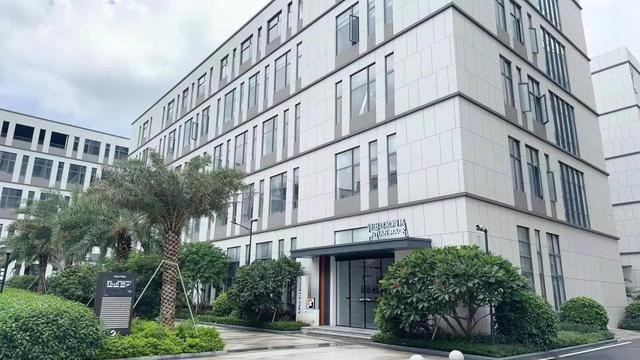
Among the leading global manufacturers of automated packaging systems, Dongguan JSG Machinery Co., Ltd. stands out as a high-capacity, technology-focused enterprise. Founded in 2010 and based in Dongguan, Guangdong Province, JSG operates at the center of China's advanced manufacturing and electronics corridor.
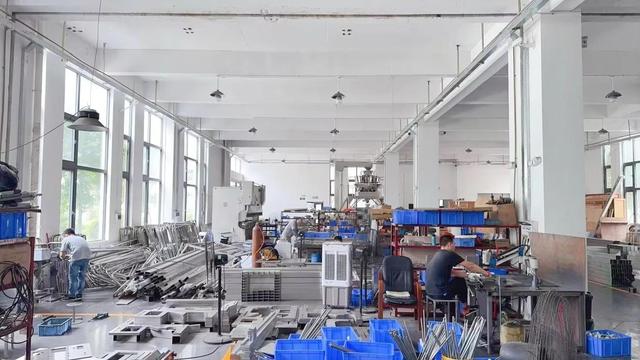
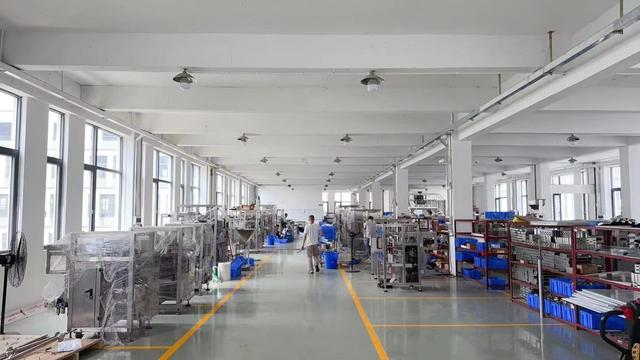
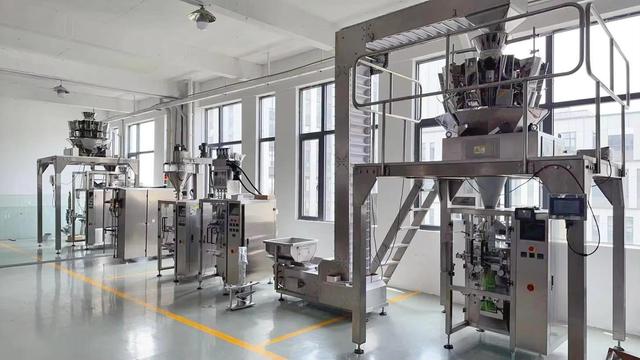
The company’s modern production facility covers 20,000 square meters and employs over 220 highly skilled workers, including a dedicated R&D engineering division. JSG Machinery specializes in equipment design, precision manufacturing, system integration, and global technical support.
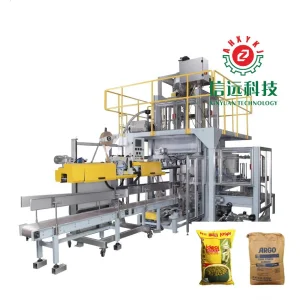
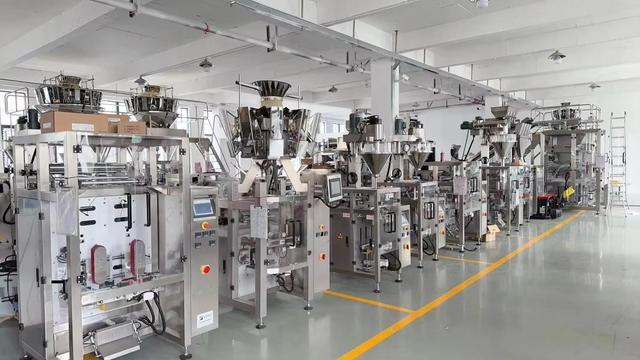
JSG’s comprehensive catalog includes filling machines, weighing systems, bagging systems, vertical packaging equipment, heavy-duty conveying systems, inspection systems, and integrated end-of-line packaging lines. These systems serve crucial roles in food processing, confectionery, hardware, pharmaceuticals, agricultural commodities, and chemical manufacturing.
Offering robust OEM and ODM services, JSG's engineers customize systems to match specific factory floor plans, unique product profiles, and speed requirements. Their machines undergo testing in dedicated assembly bays, ensuring they arrive on-site ready to run.
Evaluating end-of-line equipment requires analyzing the mechanical principles that drive reliable, long-term operation:
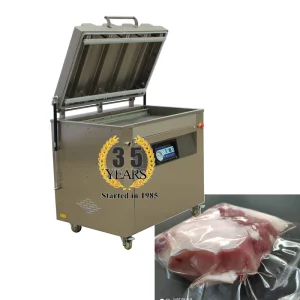
Systems like the DZ 900T Floor Nitrogen Gas Flushing Vacuum Packer use advanced chamber physics to extend food shelf life. By combining deep vacuum extraction with high-purity nitrogen flushing, the machine reduces residual oxygen levels to under 1%. The seal bars use double-active heating elements with PID temperature control, ensuring consistent seals even on thick, laminated barrier films.
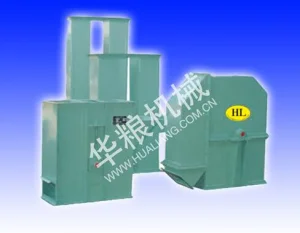
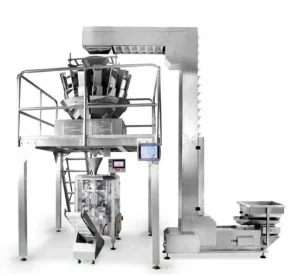
Vertical systems like the Customizable Chain Bucket Elevator prevent product degradation during height transitions. Using interlinked, food-grade polypropylene buckets driven by heavy-duty roller chains, these systems convey materials with minimal dust or spillage. They integrate smoothly with multihead weighers to optimize feed rates and maintain consistent packaging flow.
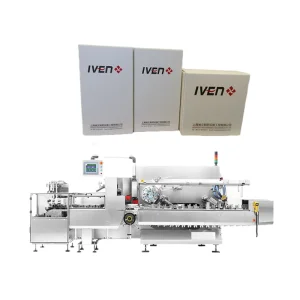
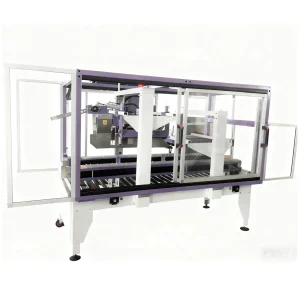
At the end of the line, wrap-around carton packers and hot-melt case sealers receive individual products, group them, and package them into corrugated boxes. High-speed case packers use mechanical pick-and-place systems or delta robots to handle bottles, cans, or blisters. The sealing station applies hot-melt adhesive precisely via heated nozzles, securing the carton flaps under pressure for a clean, strong seal.
Exporting automated packaging machinery worldwide requires strict compliance with diverse regional standards. Dongguan JSG Machinery Co., Ltd. has built a reliable export framework serving markets across North America, Europe, Southeast Asia, the Middle East, and South America.
Every export machine is designed to meet target country safety protocols, including CE directives, UL electrical codes, and CSA guidelines. By using standard global components from trusted brands like Siemens, Omron, Schneider, and SMC, JSG ensures customers can easily source replacement parts locally.
In addition, JSG offers remote commissioning support. Through secure PLC gateway modules, their software engineers can log in remotely to diagnose issues, update programming, and assist local technicians during setup, minimizing startup delays.
The future of end-of-line packaging lies in self-optimizing, adaptive machine networks. As we look toward 2030, several key technologies will become standard in advanced factories:
By investing in modular, updateable platforms now, manufacturers can adapt to future packaging materials and process changes without needing to replace entire systems.
Expert technical answers to common queries regarding EoL systems, integration, and engineering specifications.
Complete your end-of-line integration with our high-speed weighing, cartoning, and vacuum packaging solutions.
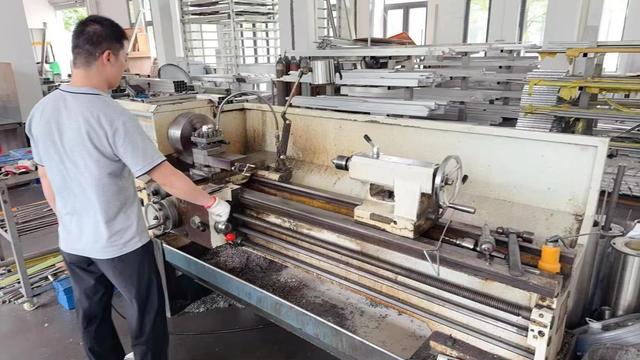
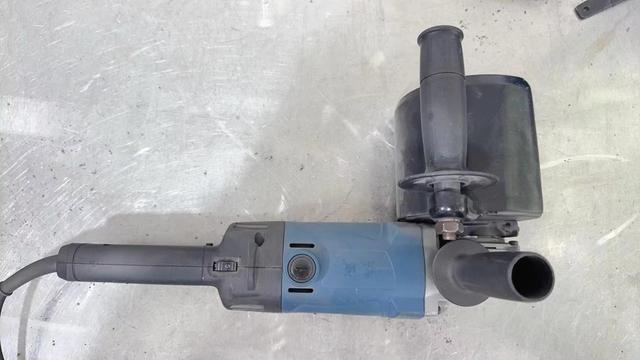
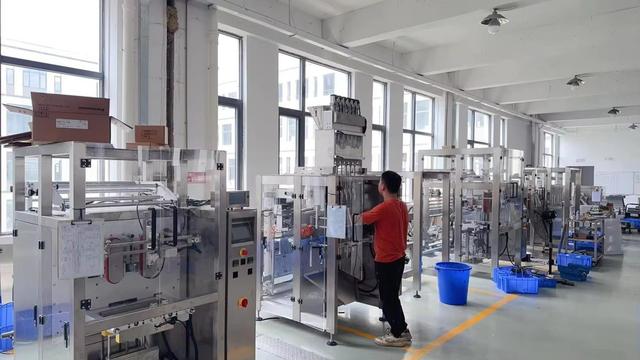
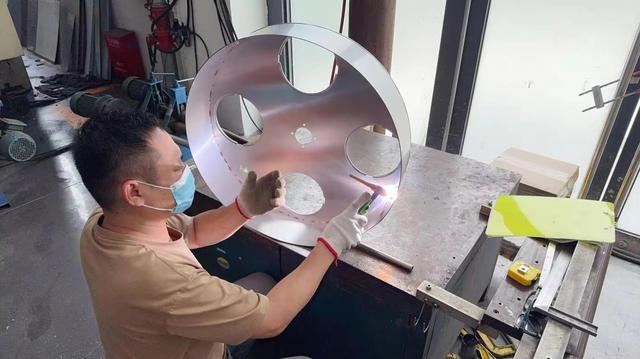
A look inside Dongguan JSG Machinery Co., Ltd.’s 20,000 square meter production facility, engineering bays, and testing floors.

 JSG Machinery