Select premium packaging machinery configured for heavy-duty, continuous operation across Rwanda's expanding industrial and logistics hubs.
Known as the "Land of a Thousand Hills," Rwanda has emerged as one of East Africa's most dynamic and rapidly growing economies. Strategically driven by the government's ambitious Vision 2050 and the "Made in Rwanda" policy, the country is transitioning from subsistence agriculture to high-value agro-processing, manufacturing, and technology-driven industries. This transformation has triggered an unprecedented demand for modern packaging automation.
In sectors ranging from bulk grain processing to mineral export, traditional manual packaging methods no longer suffice. Manual bagging presents significant commercial drawbacks: high labor intensity, high rates of product loss (through spillage and inaccurate weighing), susceptibility to dust and humidity contamination, and an inability to meet the throughput demands of international logistics. Implementing high-precision, industrial-grade bagging systems is now a core requirement for local enterprises aiming to compete both within the East African Community (EAC) and globally.
Furthermore, Rwanda's unique geographic position as a landlocked country makes shipping costs highly sensitive to weight variations. Every kilogram of excess product given away due to imprecise gravity scales increases transport overhead without generating revenue. By installing intelligent bagging systems, Rwandan exporters can secure precise weight tolerance parameters (down to ±0.2%), immediately optimizing their freight yield.
To implement the most effective packaging systems, manufacturers must align their choices with the specific requirements of Rwanda's key growth sectors:
Agriculture remains the backbone of the Rwandan economy, employing a majority of the workforce. Significant growth is taking place in the production of tea, specialty Arabica coffee, maize, beans, rice, and animal feed. Automated bagging systems are essential for these commodities:
To boost agricultural yields, Rwanda is expanding its local chemical blending, fertilizer processing, and distribution networks. Packaging fertilizer (such as NPK and DAP) presents unique challenges: the material is corrosive, abrasive, and often hygroscopic (moisture-absorbing). Advanced FFS (Form, Fill, and Seal) tubular lines or heavy PP/Kraft paper bagging machines with ultrasonic sealing are required to prevent environmental degradation and bag rupture during transit.
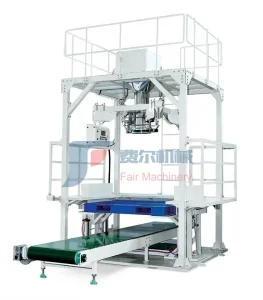
Rwanda is a significant exporter of 3T minerals (Tin/Cassiterite, Tantalum/Coltan, and Tungsten/Wolfram). Due to the high density and value of these concentrates, they must be packaged securely in reinforced 500kg to 2000kg Jumbo Bags (FIBCs). Imprecise weighing of high-value mineral concentrates can lead to significant financial discrepancies. Our jumbo bulk bag weighing systems incorporate highly sensitive load cells to guarantee trade-approved accuracy.
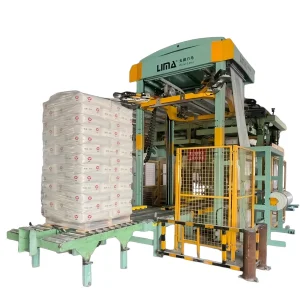
Exporting from Rwanda via the Central Corridor (to the Port of Dar es Salaam) or the Northern Corridor (to Mombasa) involves long overland journeys. Implementing high-efficiency pallet wrapping machines alongside automated bagging ensures that stacked cargo remains rigid, weather-resistant, and tamper-proof across borders.
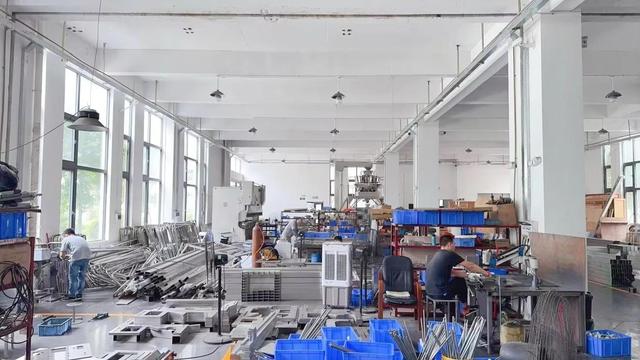
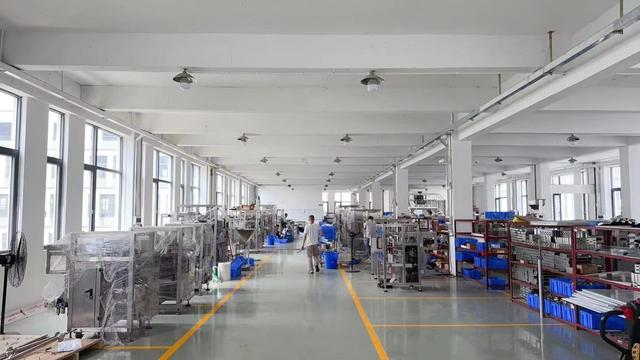
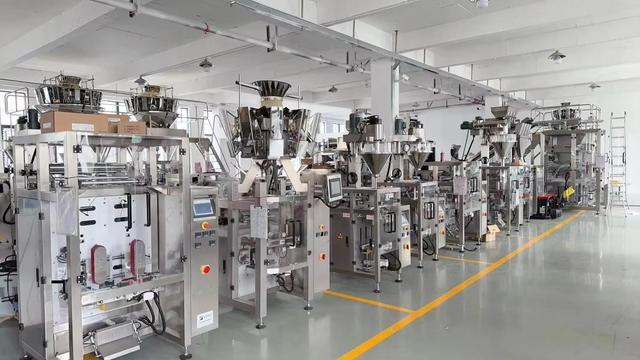
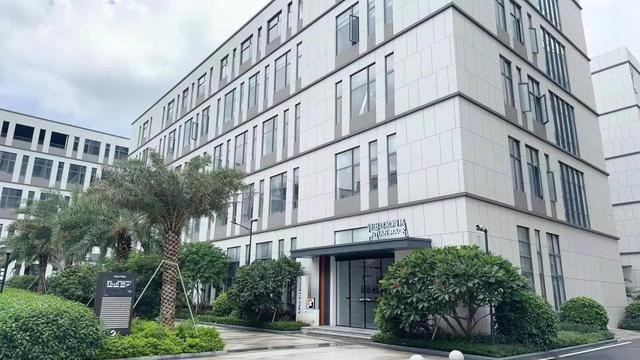
As a leading global packaging machinery manufacturer, Dongguan JSG Machinery Co., Ltd. represents the standard of China's Factory 4.0 evolution. Operating from a state-of-the-art 20,000 square meter facility with over 220 engineering and assembly specialists, we blend high-precision mechanical manufacturing with advanced digital control systems. This combination ensures our machines deliver long-term reliability in demanding industrial environments.
Purchasing automated packaging lines from JSG Machinery provides several key technical and operational advantages:
Every bagging machine we manufacture undergoes a rigorous 72-hour continuous testing cycle before shipment. We run simulation tests using customer-supplied raw material profiles to verify real-world speed and weight tolerance, ensuring rapid installation and startup upon arrival at your factory in Rwanda.
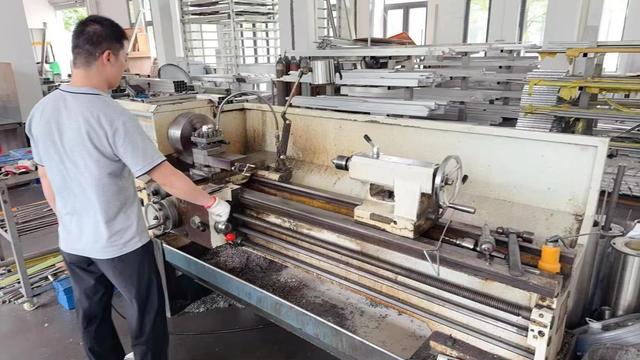
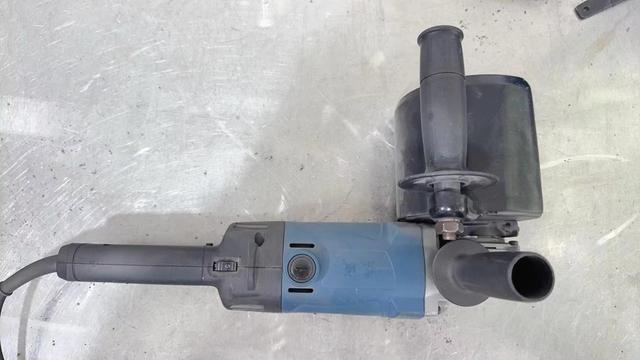
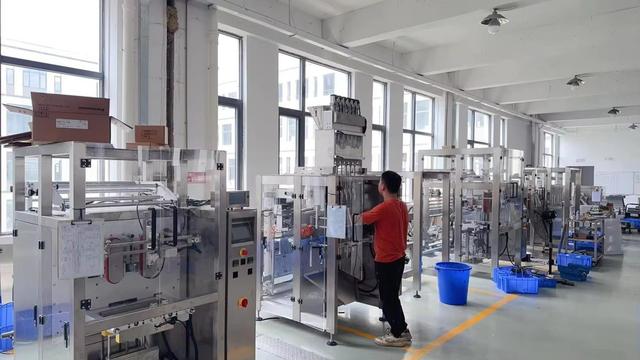
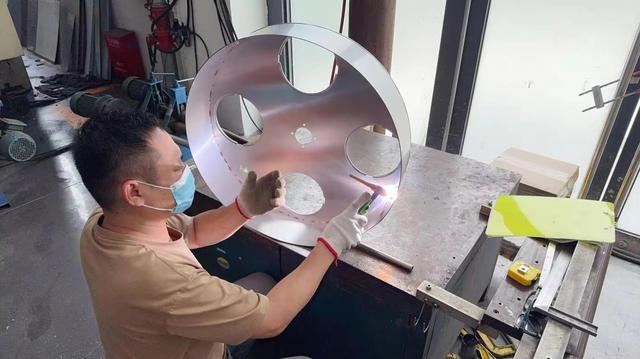
Take a virtual tour of our 20,000 m² factory, modern machining centers, and dedicated assembly lines.

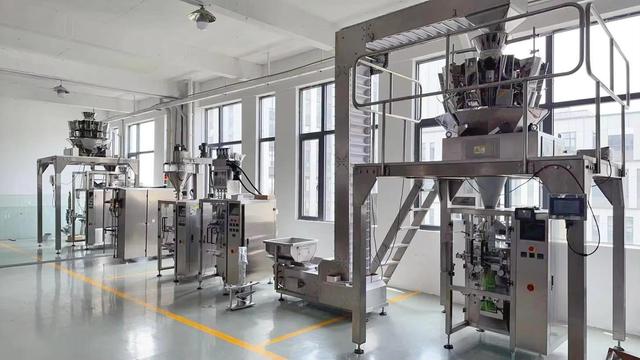
Rwandan manufacturing operations face unique local challenges that must be addressed during the engineering and planning phases. We customize our bagging equipment to meet these specific operating conditions:
Industrial power grids in East Africa can experience frequent voltage spikes, drops, or outages. We design our industrial bagging machines to protect sensitive control electronics by integrating standard power regulation systems, Phase Failure Protection relays, and industrial line filters. In addition, we configure all electric drives for the local standard utility voltage: 400V Three-Phase, 50Hz, or 230V Single-Phase.
As shipping to landlocked Rwanda requires overland transit, maximizing space utilization is critical. We design our modular bagging units, containerized packaging machines, and conveyor structures to pack efficiently into standard 20ft or 40ft High Cube containers. This modular design helps reduce ocean and road freight costs, and simplifies setup at your facility.
To minimize down-time, our PLC programs are equipped with integrated Ethernet/Wi-Fi router links. This enables our engineers in Dongguan to access the machine's control logic remotely, troubleshoot sensor inputs, run calibrations, and push software updates without requiring an on-site technician. We also prioritize comprehensive training for local operators, providing clear manuals, wiring diagrams, and video tutorials.
Get answers to technical and logistical questions about importing, installing, and operating JSG packaging machinery in Rwanda.
The feeding mechanism is chosen based on the physical properties of the material:
We use multiple dust control features:
Equipment manufacturing typically takes 30 to 45 days, depending on configuration complexity. Shipping from the Shenzhen port to either Dar es Salaam or Mombasa ports takes approximately 25 to 30 days. Inland road transport via transit corridors to Kigali adds 5 to 10 days. Total door-to-door lead time is generally between 65 and 85 days, including customs clearance.
We provide comprehensive technical support resources:
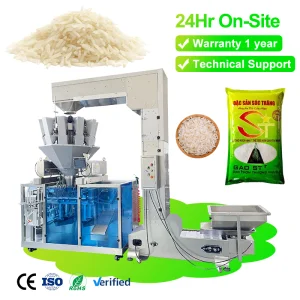
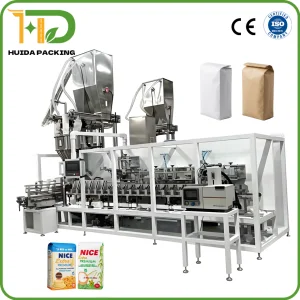
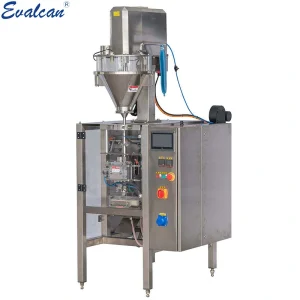
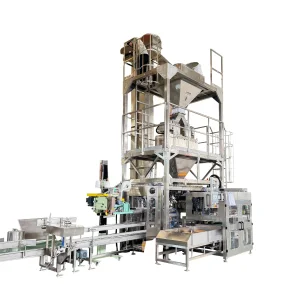
Our comprehensive catalog of commercial packaging machinery, designed to meet a wide range of industrial processing and bagging needs.
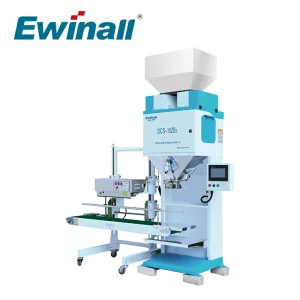
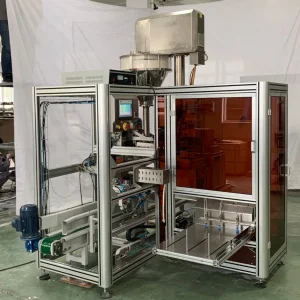
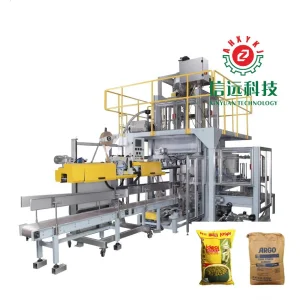
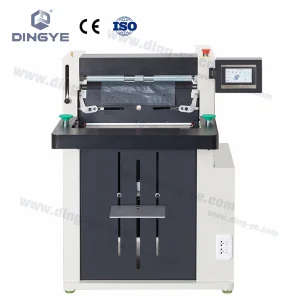
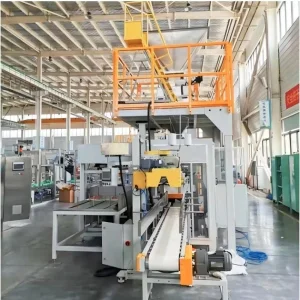
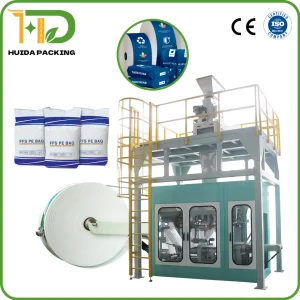
Contact our application engineering team today. We provide free layout design services, factory capacity calculations, and custom engineering quotes configured specifically for your project goals.
 JSG Machinery