Explore our premium machinery range designed to optimize throughput and boost packaging line efficiency.
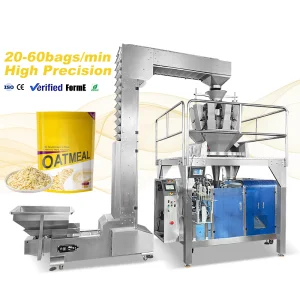

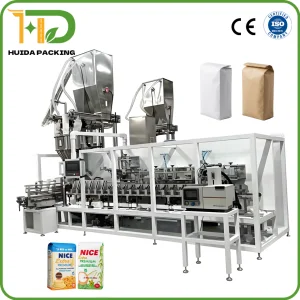
In modern industrial packaging lines, throughput speed and positioning accuracy are the cornerstones of overall operational productivity. Denesting systems—the automated machinery designed to separate, pick, and precisely place nested packaging materials (such as plastic blister trays, paper trays, food cups, clamshells, and aluminum tins)—represent one of the most critical front-end integration points. Choosing the right denesting system supplier in China is no longer just about hardware acquisition; it is about establishing a technological partnership that elevates overall equipment effectiveness (OEE) and reduces mechanical downtime.
As manufacturing demands scale globally, manual tray separation has become obsolete. Manual handling presents sanitary risks, introduces human error, and acts as a strict bottleneck for ultra-high-speed downstream processes such as multihead weighing, filling, labeling, and vacuum sealing. To overcome these challenges, contemporary engineering favors high-speed reciprocating, rotary, and robotic tray denesters equipped with intelligent sensor suites and custom tooling designed to accommodate tight tray tolerances.
Dongguan JSG Machinery Co., Ltd. is a globally recognized, professional manufacturer specializing in packaging machinery and automated packaging solutions. Established in 2010 and nestled in Dongguan, Guangdong Province—a leading hub of global manufacturing—JSG operates from a state-of-the-art 20,000 square meter production facility. Backed by a dedicated workforce of over 220 experienced engineers and technical staff, JSG Machinery has consistently pioneered system designs that merge precision machining with smart control architectures.
By leveraging advanced engineering resources, JSG produces a versatile range of automated systems, from custom denesters to multihead weighers, vertical packaging units, and industrial labeling stations. The company’s core expertise lies in system integration: ensuring that the initial tray denesting phase works in perfect harmony with the filling, sealing, and final box cartoning equipment.
How automated denesting systems are transforming primary sectors globally.
Rising labor costs in North America, Western Europe, and parts of Asia-Pacific have accelerated the ROI calculation for automation. A single-operator tray-feeding bottleneck can impair the OEE of a multi-million dollar production line. Implementing high-speed denesting systems guarantees continuous operation, predictable throughput, and significant reductions in labor expenditures.
In food processing and medical packing, human contact with raw trays must be minimized to avoid microbial contamination. Automated tray denesters utilizing food-grade stainless steel (SUS304/SUS316) and washdown-safe pneumatic lines meet the stringent requirements of HACCP, FDA, and European hygienic design principles, keeping product purity intact.
Modern packaging lines operating at speeds above 80–120 cycles per minute require rapid tray feeding. JSG’s integrated denesting solutions combine vacuum-assisted suction headers with rotating mechanical separators. This ensures that even ultra-thin, static-charged, or slightly warped plastic blister trays are successfully isolated and placed without double-feeding or line halts.
"Integrating high-speed denesting technology is the key to unlocking the full potential of downstream packaging units. When tray separation is flawless, filling and sealing operations achieve their optimal performance." — Head of Engineering, JSG Packaging Automation Labs.
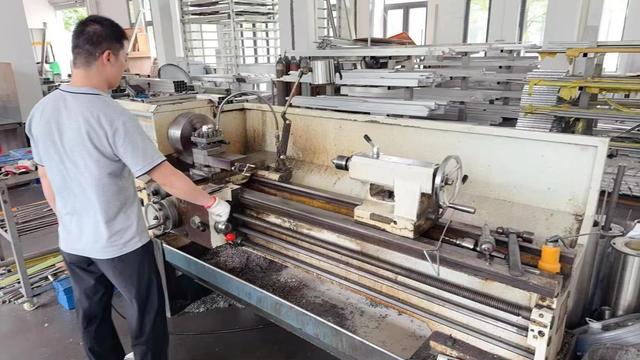
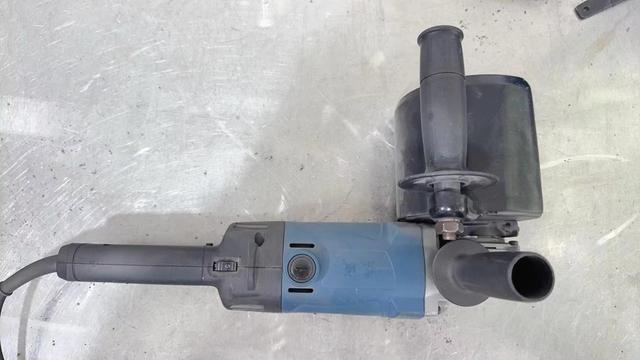
A glimpse inside our 20,000 square meter advanced machining and assembly workshops in Dongguan.
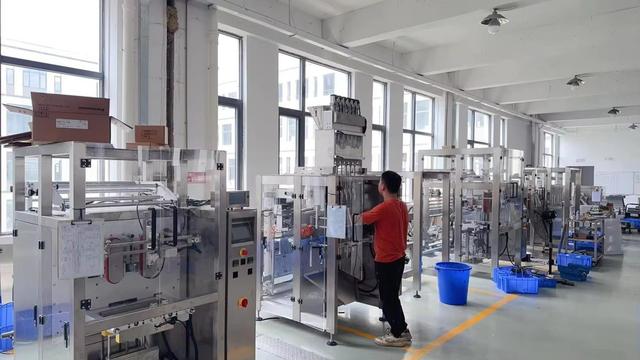
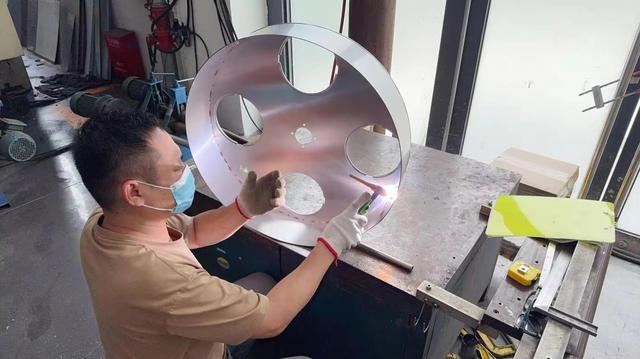
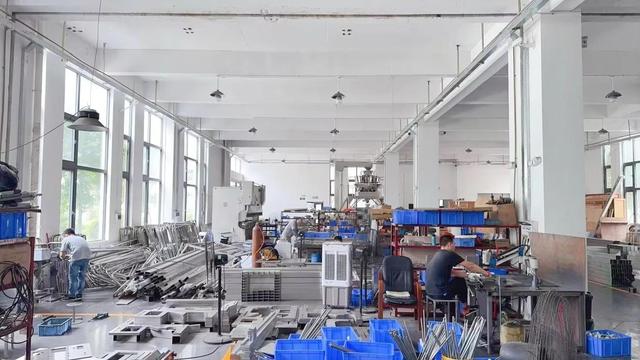
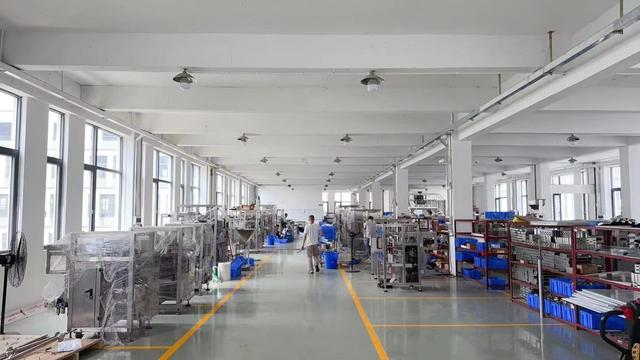
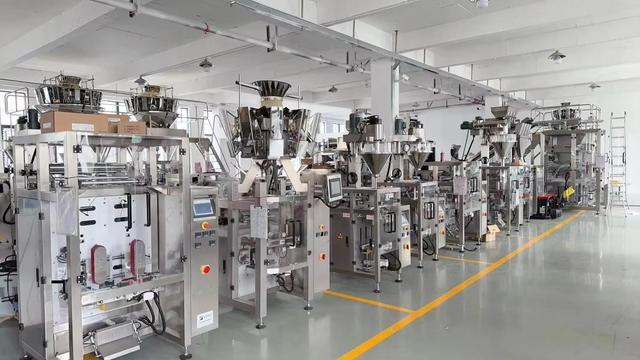


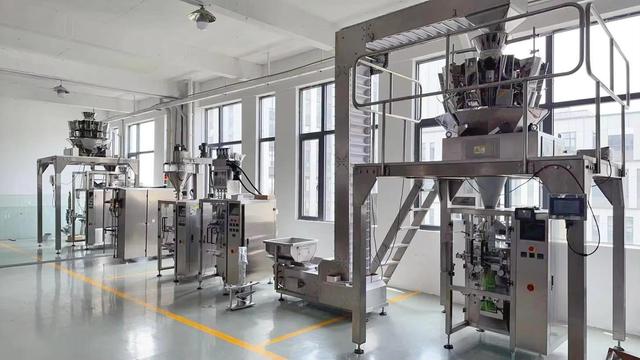
A primary challenge of automatic denesting is handling the vast diversity of tray materials and structures. Whether dealing with PET, PP, biodegradable pulp, or thin aluminum foils, each material exhibits unique physical properties, coefficients of friction, and static properties. JSG Machinery addresses this complexity through modular denester configurations:
Using pneumatic cylinder-driven vertical shafts and custom-molded silicone vacuum cups, this method is ideal for rigid trays with distinct stacking lips. The system applies a localized blast of ionized air to neutralize static charges before applying suction, ensuring only a single tray is extracted from the magazine hopper.
For high-speed, continuous-motion packaging lines (such as yogurt cups or margarine tubs), rotary denesting systems utilize rotating screw profiles and mechanical separator fingers. As the screw rotates, it mechanical slips between the flanges of the bottom-most stacked trays, feeding them directly onto the flighted conveyor in a seamless, continuous motion. This method can comfortably exceed 150 trays/minute.
As industry trends move toward high flexibility and rapid changeovers, multi-axis Delta robots (spider robots) or SCARA arms are integrated. Programmed with vision systems, these units can denest randomly oriented trays or handle highly complex shapes, such as multi-compartment medical catheter blister trays. The mechanical changes are completely digital, loaded directly from the HMI touch panel.
Future Outlook: The next generation of JSG denesting systems incorporates IoT-connected sensors to monitor vacuum seal degradation and pneumatic pressure drops in real-time. By utilizing predictive maintenance alerts, operators can replace suction cups during planned breaks, eliminating unexpected line stoppages.
Ensuring your automated line conforms to regional regulations with robust engineering backup.
JSG Machinery manufactures all equipment in strict accordance with ISO 9001 quality management guidelines. For exports into the EU, UK, and Americas, our machines comply with CE standards, low voltage directives, and electromagnetic compatibility regulations.
To reduce shipping times, JSG maintains regional warehouses and partnership distributors in Europe, Southeast Asia, and the Americas. Standard electrical components (such as Siemens PLCs, SMC pneumatics, and Omron sensors) are used, allowing for local procurement of critical parts.
Every major packaging line system shipped from our Dongguan facility features secure remote connectivity. In the event of PLC routine changes or technical troubleshooting, JSG engineers can log in remotely to calibrate parameters, reducing reliance on physical service visits.
Automated denesting is not a standalone process; it functions as the entry point of complex, multi-stage packaging solutions. The following configurations outline typical industrial setups designed by JSG Machinery:
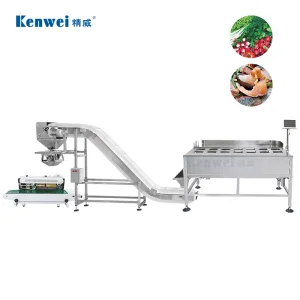
In this scenario, a tray denester extracts fresh-keeping trays and deposits them onto a sanitizable washdown conveyor. The trays transition beneath a JSG Multihead Weigher Packaging System which deposits precise portions of fresh-cut fruits, vegetables, or sausages. The filled trays then pass through an Automatic Fresh-Keeping Film Packaging Machine or a MAP (Modified Atmosphere Packaging) chamber before receiving their labels.
Medical blister trays, such as custom PET sterilization vacuum-forming trays for catheter kits, demand strict cleanroom protocols. The JSG denesting system separates these large, thin-walled blister trays with high precision. Once denested, the trays are manually or robotically loaded with catheter kits and routed directly to an automatic cartoning and sealing line, minimizing human handling.
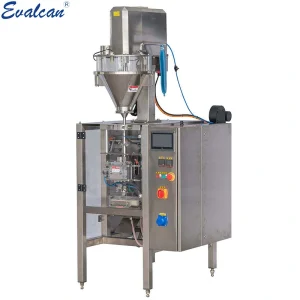
For powder industries, denesting and bag-feeding operate on similar pick-and-place principles. High-speed brick-bag packing lines utilize vacuum separation headers to pick kraft paper bags, open them, position them beneath vertical auger filling nozzles, and transfer them through vibratory settling and vacuum-sealing stations. This guarantees dust-free operations and high seal integrity.
Get professional insights on selecting, installing, and optimizing automatic tray denesting lines.
Depending on the mechanism used (reciprocating pneumatic vs. rotary mechanical), the speed ranges from 40 to over 150 trays per minute. Heavy-duty dual-head denesters can run in parallel to match the speed of ultra-fast tray-sealing or multihead weighing lines.
We employ three complementary technologies: custom-designed mechanical separator fingers that physically hook under the lip of the first tray, localized air-knife blowers that force high-pressure air between stacked trays, and optional static-neutralizing bars to remove static charges.
JSG systems utilize quick-change modular cassettes. Toolless changeovers can be completed in under 5 to 10 minutes by swapping out the cassette and adjust the guide rails. Digital parameters are then selected on the touch-screen PLC interface.
Yes. While biodegradable paper pulp trays present challenges due to fiber friction and dimensional inconsistency, JSG utilizes custom-molded mechanical claws alongside deep-cup vacuum systems to separate and feed them reliably.
We standardize on Siemens or Mitsubishi PLCs, Omron photoelectric sensors, SMC or Festo pneumatic cylinders, and Schneider electric components. These globally recognizable brands ensure simple integration and quick local parts sourcing.
Absolutely. While we supply individual denesting units, our core strength lies in designing and implementing turnkey automated lines, connecting filling, sealing, weighing, cartoning, and labeling machines into a unified system.
Every JSG system undergoes rigorous Factory Acceptance Testing (FAT). We ask clients to send sample trays/containers so we can test the system with actual materials for 24-48 hours of continuous operation before final packaging and export.
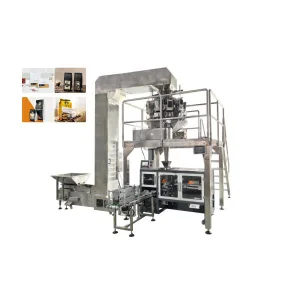
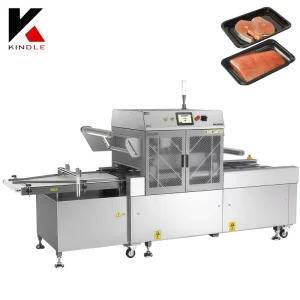
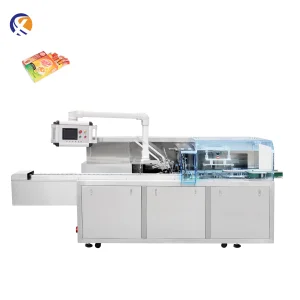
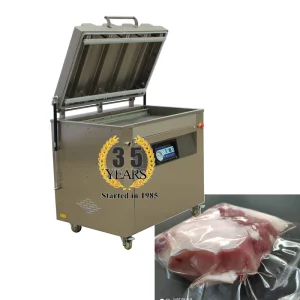
Maximize OEE with our diverse range of filling, bagging, and vacuum packaging systems.
 JSG Machinery