A packaging line rarely fails in a dramatic way. More often, small delays accumulate: cartons wait beside a conveyor, labels need adjustment, or workers repeat the same sealing motion for hours. These details help explain why are automated packaging systems becoming popular across food, beverage, pharmaceutical, and consumer-goods operations. Automation can coordinate filling, sealing, labeling, and case packing with steadier timing than a fully manual process. It may also reduce repetitive handling and make production data easier to track.
The appeal is practical, not magical. A well-chosen system can help a manufacturer meet rising order volumes, maintain consistent package quality, and respond to labor shortages. Sensors and control software can flag jams or misplaced products before they disrupt an entire shift. Small changes matter. Yet equipment costs, floor space, staff training, and product changeovers all deserve careful attention. A fast machine may still be a poor fit if the product line changes frequently or demand is uncertain. Even experienced operators can find that integration takes longer than expected.
This article examines the factors behind growing adoption, from productivity and quality control to safety and scalability. It also considers the trade-offs businesses should assess before investing. The best solution is not always the most automated one. Understanding the actual bottlenecks on a packaging floor is a sensible starting point.
What Are Automated Packaging Systems?
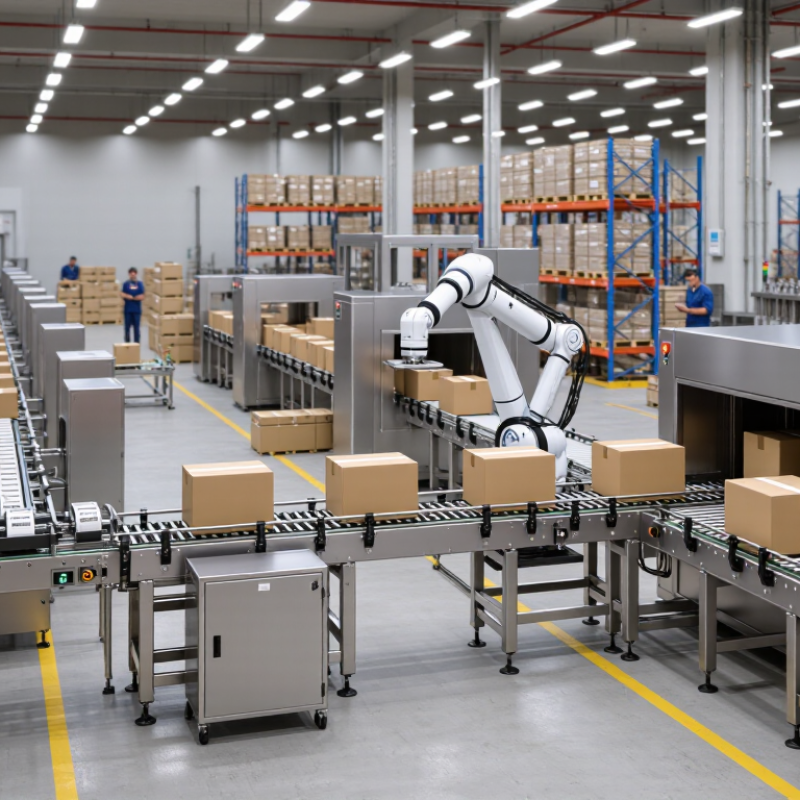
Automated packaging systems are coordinated machines and controls that prepare products for shipment or retail. They may form cartons, fill containers, wrap items, apply labels, and sort finished packs. Sensors detect product position, while programmable controls adjust timing and stop the line if a jam or open guard is detected. Conveyors link stations, but each setup depends on package shape, production speed, and inspection needs. Some lines handle one task; integrated lines connect several. The term does not mean every step is unattended.
Operators load materials, verify settings, clear minor stoppages, and inspect sample packs. Cameras or checkweighers can flag missing labels, weak seals, or unusual weight. Accuracy depends on setup and maintenance. A line may reduce repetitive handling, yet it still needs trained staff and regular cleaning. That matters. A slightly bent carton or dusty sensor can interrupt flow. Not quite. Teams typically test actual products and packaging before changing a line, then track downtime, rejects, and changeover time. New package sizes may require guide, recipe, or tooling adjustments. A clear system description names its stations, inputs, checks, and human responsibilities, rather than simply calling it automatic.
How Do Automated Packaging Systems Work?
Automated packaging systems turn a sequence of manual tasks into a coordinated production line. Products move along a conveyor, where sensors detect their position and spacing. A controller uses these signals to time each step, such as placing items into cartons, filling containers, or applying seals and labels. Motors and pneumatic components perform the movement, while guards and emergency stops help protect operators.
The process depends on consistent settings. For example, a photoelectric sensor can detect a carton’s edge, then signal a mechanism to fold or fill it. Checkweighers and vision systems may inspect packages and flag items outside set limits. This feedback helps teams spot problems sooner, though it cannot prevent every jam or misaligned label. Packaging materials, product shape, and line speed all affect performance. Small changes matter.
Tips: Match the system to the product and package size, then test with real materials before increasing speed. Keep sensors clean, record recurring stops, and train operators to adjust settings safely. A fast line is not always a better line. Human checks still matter.
Why Are Automated Packaging Systems Becoming Popular?
Rising online sales mean more orders to pack, increasing the need for fast, consistent packaging operations.
How automated packaging systems work: Products are fed into the line, then measured or filled, sealed, labeled, and grouped into cases. Sensors and controls coordinate each step; systems may also sort parcels or palletize finished cases.
U.S. e-commerce sales, annual totals in billions of U.S. dollars. Source: U.S. Census Bureau, Quarterly Retail E-Commerce Sales.
Which Industries Use Automated Packaging Systems?
Food and beverage producers are among the most visible users of automated packaging systems. A filling line can place bottles under nozzles, cap them, and apply labels at a steady pace. Bakeries use conveyors and flow wrappers to package bread while it is still fresh. Dairy plants often need careful portion control and clean handling. Small changes in product shape can still cause jams, so automation needs regular adjustment.
Pharmaceutical manufacturers use automated equipment to count tablets, fill containers, and apply tamper-evident seals. Accuracy matters. Cosmetic companies also package creams, lotions, and powders, often switching between container sizes for different product runs. In both industries, inspection cameras can flag missing caps or unreadable labels before products leave the line.
E-commerce warehouses use automated systems to seal cartons, add shipping labels, and sort parcels. Agricultural businesses package seeds, grains, and fresh produce, while electronics makers use protective trays and anti-static packaging for delicate components. The right setup depends on product size, volume, and handling needs. A fast machine is not always the best fit. It may create extra waste or slow workers during changeovers. That trade-off deserves a closer look.
What Benefits Are Driving Their Adoption?
Automated packaging systems are gaining attention because they can keep routine tasks moving at a steady pace. A machine can fill, seal, label, or carton products with consistent timing across a long shift. That consistency helps reduce uneven seals, crooked labels, and small packing errors that may otherwise require rework. Fewer interruptions can also make production planning more predictable. Less guesswork.
These systems can ease repetitive lifting and hand movements for workers, especially where packages arrive continuously. Sensors and simple control screens may help operators spot jams or low material levels before they stop the line. Some systems also record counts and reject rates, giving production teams useful information for adjusting settings. The data is helpful, but it still needs careful interpretation.
Flexibility is another benefit. Changeable guides and settings can accommodate different package sizes, though changeovers still take time and may require trained staff. Not every line wins. A small operation with short runs might spend more on installation and maintenance than it saves in labor. Teams should compare actual cycle times, downtime, and material waste before investing. Even a fast machine cannot correct poorly designed packaging or inconsistent product flow. The details matter.
What Challenges Affect Their Implementation?
Automated packaging systems can run quickly, but fitting them into a working plant is rarely plug-and-play. The International Federation of Robotics reported 541,302 industrial robot installations worldwide in 2023, in its World Robotics 2024 report. That growth signals wider automation, yet each packaging line still has its own constraints: conveyor height, carton variation, floor space, and changeover schedules.
Integration is often the harder task. A new case packer must communicate with existing sensors, safety controls, and production software. If data formats differ, operators may need manual checks or extra interface work. Small details matter. A slightly misaligned carton can stop a line repeatedly. Retrofitting an older conveyor can also cost more than expected, especially when installation must happen during a short shutdown.
People and training matter just as much. Staff need time to learn fault recovery, recipe changes, and safe cleaning procedures. Otherwise, a minor jam may wait for a specialist. Budget estimates should include installation, spare parts, software support, and downtime—not only the machine price. And forecasts can be wrong. A system designed around today’s package sizes may struggle when products change. Careful site trials help, but they cannot remove every surprise.
Conclusion
Automated packaging systems use machinery, sensors, and software to handle tasks such as filling, sealing, labeling, and sorting products. They typically work by moving items along a production line, where equipment performs specific steps with limited manual handling. These systems are used across industries including food and beverage, pharmaceuticals, cosmetics, and consumer goods, where consistent packaging and reliable output are important.
Why are automated packaging systems becoming popular? They can increase production speed, improve packaging consistency, reduce repetitive work, and help businesses manage labor and operating costs. However, implementation can require significant upfront investment, employee training, and adjustments to existing facilities and workflows. Equipment also needs regular maintenance, and businesses must choose systems that fit their products and production needs. Careful planning can help balance these challenges with the benefits of greater efficiency and dependable packaging operations.

 JSG Machinery