What Is Packaging Machinery and How Does It Work?

Time:2026-10-16 Author:Ethan
0%

What is packaging machinery? It is the equipment that prepares products for storage, transport, sale, and use. A packaging line may fill bottles, weigh powders, seal cartons, wrap pallets, or print traceable information. Each machine performs a controlled step. Together, these steps create a repeatable process.

“Packaging machinery connects product protection with production efficiency,” says Jorge Izquierdo, Vice President of Market Development at PMMI, the Association for Packaging and Processing Technologies. His observation reflects what operators see daily. A conveyor moves containers forward. Sensors check their position. A filler measures the product. A sealer applies heat, pressure, or adhesive. A printer adds batch details. Control software coordinates the timing.

The process looks simple from outside. It is not. Product texture, package shape, line speed, and material thickness can change machine performance. A thick sauce may need different pumps than dry grains. A delicate carton may require gentler handling. Operators also adjust settings, inspect seals, clear minor jams, and monitor waste. Human judgment still matters.

Reliable packaging machinery combines mechanical movement, electrical controls, sensors, and software. Safety guards and emergency stops protect workers during operation. Quality checks help identify underfilled packages, weak seals, or unreadable codes. However, automation does not remove every risk. Poor maintenance, incorrect settings, or rushed changeovers can create defects.

This introduction may simplify a complex field. That limitation is worth admitting. The following sections explain machine types, operating principles, components, benefits, and practical selection considerations. The goal is clear understanding, not exaggerated promises.
What Is Packaging Machinery and How Does It Work?

Packaging Machinery Defined: A $50B+ Global Industry

What Is Packaging Machinery and How Does It Work?

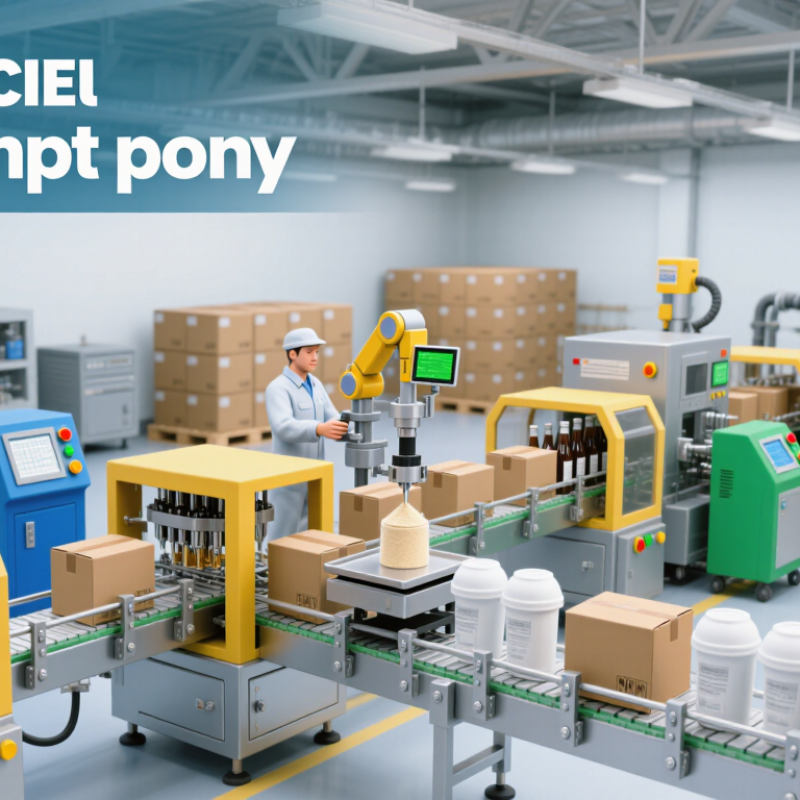
Packaging machinery includes equipment that fills, closes, labels, wraps, or palletizes products. A typical line moves containers along a conveyor. Sensors check each container’s position. A dosing unit adds the product. A sealer applies controlled heat or pressure. A final inspection station rejects weak seals or missing labels.

This is a $50B-plus global industry. Interact Analysis estimated the worldwide packaging machinery market at roughly $52 billion in 2023, with continued growth expected through 2028. PMMI’s 2024 State of the Industry report placed U.S. packaging machinery shipments near $11.3 billion in 2023. These figures show market scale, but definitions vary. Some reports include end-of-line systems, while others separate coding and process equipment. That difference matters.

In practice, machinery works through coordination, not one dramatic mechanism. Servo motors control speed. Programmable logic controllers synchronize each station. Vision systems inspect shape, print, and placement. Operators still adjust changeover parts when package sizes shift. A small misalignment can waste hundreds of cartons within minutes. Faster is not always better. Excessive speed may increase jams, product damage, and maintenance. Energy consumption also matters, especially for heating, compressed air, and vacuum systems. Packaging machinery is highly automated, yet results depend on trained staff, sensible settings, and reliable production data. The machine helps. It does not think for the team.

How It Works: Feed, Form, Fill, Seal, Inspect, and Palletize

Packaging machinery turns loose materials into consistent, traceable units. PMMI’s 2024 State of the Industry report places U.S. packaging machinery shipments above $10 billion in 2023. That scale reflects engineering, not magic. Feeders measure products into a controlled stream. Sensors detect gaps, jams, and uneven flow. Forming stations shape film, cartons, or trays around the product.

Filling follows. Volumetric, auger, or weigh-based systems control each dose. Sealing then applies pressure, heat, or ultrasonic energy. A weak seal can spoil an otherwise accurate package. On a modern line, inspection cameras check print, shape, fill level, and closure quality. Rejected units leave through a timed air jet or mechanical arm. Palletizers finally arrange cases in stable layers, often using robotic motion and automatic pattern changes.

A 2024 MarketsandMarkets assessment values the global packaging machinery market near $52 billion in 2024. It projects more than $60 billion by 2029. Forecasts vary. Definitions vary, too. In practice, speed is not the only target. Operators still adjust feeder vibration, sealing temperature, and camera sensitivity during production. A clean test run may hide problems. Dust, film tension, or a slightly damaged carton can change results. The best systems record these events and support quick, evidence-based corrections. Yet human setup remains a weak point, and no sensor removes every judgment call.

Core Metrics: 85% OEE Benchmark, Throughput, and Reject Rates

Packaging machinery combines feeding, filling, sealing, labeling, and inspection into a controlled production sequence. Sensors guide containers while motors, pneumatic parts, and software maintain timing. In daily operation, small timing errors can create jams, uneven seals, or missed labels. Operators should watch the machine, not only the screen.

OEE measures availability, performance, and quality. An 85% OEE benchmark is useful, but it is not a universal pass mark. A line producing 120 packs per minute may show strong performance while frequent changeovers reduce availability.

Throughput should be compared with the planned rate, shift length, product format, and stoppage records. Reject rate adds another reality check. If 2,000 packs are produced and 30 fail inspection, the reject rate is 1.5%.

That number may still hide costly defects, especially when failures reach customers.

Tips:

  • Record minor stops, not just breakdowns.
  • Check samples after speed changes.
  • Separate material defects from machine defects.
  • Review OEE by shift and product type.
  • An 85% result can look impressive, yet poor data collection may inflate it.
  • I have seen teams count short pauses as normal running time.
  • That weakens the measurement.
  • Use clear definitions, calibrated sensors, and consistent inspection rules.
  • Leave room for doubt.

Metrics improve decisions only when operators trust the numbers.

Automation and Safety: PLCs, ISO 13849, and CE Risk Controls

What Is Packaging Machinery and How Does It Work?

Packaging machinery moves products through filling, sealing, labeling, and inspection stages. Sensors detect position, speed, pressure, and product presence. A programmable logic controller, or PLC, processes these signals and controls motors, valves, heaters, and conveyors. If a carton shifts, the PLC can stop the cycle before damage occurs. The process looks simple. Real production is less predictable.

Safety depends on more than an emergency-stop button. Designers identify hazards, then apply controls using ISO 13849 principles. These controls may include guarded access doors, dual-channel switches, safe stopping functions, and monitored pneumatic systems. Performance levels must match the assessed risk. CE marking also requires documented conformity, technical evidence, and suitable instructions under applicable European requirements. A risk assessment should reflect actual operation, cleaning, maintenance, and foreseeable misuse. A clean factory test can still miss awkward access during a jam.

Tips: Test safety functions with the machine loaded, not only in an empty cycle. Check whether stopping creates another hazard, such as falling products or trapped pressure. Keep wiring diagrams, validation records, and operator training current. Do not assume a PLC program is safe because it works reliably. Independent review is useful. Small omissions matter.

ISO 13849 Performance Levels and PFHd Boundaries

ISO 13849-1 defines Performance Levels according to the probability of a dangerous failure per hour (PFHd). Higher levels require lower PFHd values: PL a starts at 10⁻⁵ per hour, while PL e starts at 10⁻⁸ per hour. In practice, designers combine risk assessment, architecture, diagnostic coverage, component reliability, and validated safety functions before applying CE marking.

Selecting a Line: Pack Format, Speed, ROI, and Sustainability

Packaging machinery converts products into sealed, labeled, and transport-ready packs. A typical line may include a filler, forming unit, sealer, checkweigher, and case packer. Each machine must communicate smoothly with the next one. A small timing error can create a pileup within minutes.

Pack format should guide the selection. A pouch, carton, tray, or bottle needs different feeding and sealing methods. Test the actual product, not only an empty package. Powder may bridge inside a hopper, while oily products can weaken seals.

Speed also needs careful measurement. A line rated for 120 packs per minute may run slower with fragile products, frequent changeovers, or inspection checks. Real output matters more than the headline number.

Return on investment should include labor, maintenance, utilities, waste, and planned downtime. Ask for production records from similar applications. I have found that a cheaper line can cost more when cleaning takes twice as long. The calculation is rarely perfect. Leave room for new pack sizes and seasonal demand.

Sustainability requires practical evidence, not attractive claims. Measure film usage, energy consumption, compressed air, and rejected packs. Lightweight material can reduce waste, but it may demand tighter temperature control. Recyclable packs may also require different sealing equipment. Small trials reveal these limits.

Operators should inspect seals, adjust settings, and safely clear jams without excessive tools. A reliable line is not merely fast; it remains consistent during ordinary, imperfect factory days.

FAQS

What does packaging machinery typically do?

It feeds, fills, seals, labels, inspects, and moves products through a controlled sequence. Sensors track position, pressure, speed, and product presence. Motors, valves, heaters, and conveyors maintain timing. Real production is less predictable.

Is 85% OEE always a good result?

No. An 85% OEE benchmark is useful, but it is not a universal pass mark. Frequent changeovers can reduce availability. Poor data collection can also inflate results. Leave room for doubt.

How should throughput be measured?

Compare actual output with the planned rate, shift length, product format, and stoppage records. A line rated for 120 packs per minute may run slower in practice. Fragile products and inspections can reduce speed.

How is reject rate calculated?

Divide failed packs by total production, then multiply by 100. For example, 30 failed packs among 2,000 gives a 1.5% reject rate. That figure may hide costly defects. Customer-facing failures deserve extra attention.

Why should minor stops be recorded?

Short pauses can create major losses across a shift. Record jams, sensor pauses, adjustments, and brief material shortages. Counting these pauses as normal running time weakens the measurement. Small stops matter.

What safety controls should packaging machinery include?

Controls may include guarded doors, dual-channel switches, safe stopping functions, and monitored pneumatic systems. Safety design should follow a documented risk assessment. Test the machine while loaded. Empty-cycle testing is not enough.

What should a risk assessment examine?

Review normal operation, cleaning, maintenance, jam clearing, and foreseeable misuse. Check whether stopping causes falling products or trapped pressure. Keep wiring diagrams, validation records, and training current. Small omissions matter.

How should a packaging line be selected?

Start with the actual pack format, product behavior, required speed, and changeover needs. Test the real product, not only an empty package. Powder may bridge in a hopper. Oily products can weaken seals.

How should return on investment be calculated?

Include labor, maintenance, utilities, waste, cleaning time, and planned downtime. Request production records from similar applications. A cheaper line may cost more when cleaning takes twice as long. The calculation is rarely perfect.

How can sustainability claims be checked?

Measure film usage, energy, compressed air, and rejected packs during real trials. Lightweight materials may need tighter temperature control. Recyclable packs may require different sealing equipment. Attractive claims need practical evidence.

Conclusion

What is packaging machinery? It is the integrated equipment used to prepare, contain, protect, label, and move products through a packaging line. As part of a global industry valued at more than $50 billion, these systems typically coordinate several stages: feeding materials or products, forming containers or packages, filling them, sealing them, inspecting quality, and palletizing finished goods. Each step can be configured for different products, package formats, and production requirements.

Performance is commonly evaluated through throughput, reject rates, and Overall Equipment Effectiveness, with 85% often considered a strong benchmark. Modern lines use PLCs to coordinate operations, while safety controls based on ISO 13849 and CE risk-assessment principles help protect operators and equipment. When selecting a line, businesses should compare package format, required speed, expected return on investment, maintenance needs, and sustainability goals, including material use, energy consumption, and opportunities to reduce waste.

Ethan

Ethan

Ethan is a seasoned marketing professional with a deep expertise in our company's innovative product line. With a passion for sharing knowledge and insights, he takes the lead in regularly updating our corporate blog, where he explores industry trends, product features, and effective marketing......