Maintaining packaging machinery is vital for efficiency and productivity. According to a report by Smithers Pira, 70% of packaging companies experience a decline in productivity due to machinery breakdown. This highlights the importance of knowing how to maintain packaging machinery effectively. Experts like Dr. Rebecca Tran emphasize, "Regular maintenance is the key to preventing costly downtimes and ensuring longevity of your equipment."
Proper maintenance not only prolongs machine life but also enhances operational efficiency. Neglecting machinery can lead to increased repair costs and decreased output. Observing standard maintenance practices can mitigate these risks. For example, keeping machinery clean and lubricated prevents wear and tear. Yet, many still overlook these basics due to time pressures. It's crucial for companies to reflect on their maintenance strategies.
Adopting a proactive approach is essential. Companies must establish routines that focus on preventive care. This commitment can transform how businesses operate. Understanding how to effectively maintain packaging machinery is an investment in performance, reliability, and overall success.
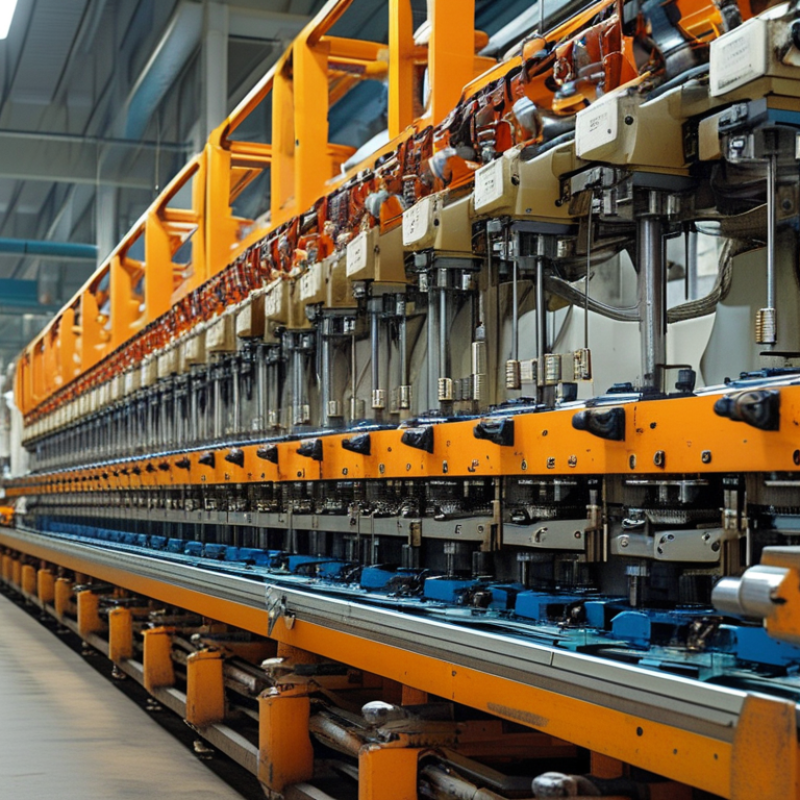
Regular maintenance of packaging machinery is crucial for operational efficiency. Studies show that well-maintained equipment can increase productivity by up to 30%. Neglecting routine checks can lead to unexpected breakdowns, costing companies significant downtime and repair expenses. In fact, data indicates that unplanned maintenance can be three to five times more expensive than scheduled repairs.
Scheduled inspections should focus on key components like sensors and belts. Regular lubrication can enhance machinery lifespan. It's vital to train staff on daily checks. This promotes early detection of potential issues. Surprisingly, many companies overlook basic upkeep tasks, thinking they save time and money. Neglecting them can lead to catastrophic failures, delaying production lines.
Moreover, reliable machinery directly impacts product quality. Minor faults may lead to packaging errors. A report by an industry association highlighted that 20% of packaging defects arise from machinery malfunctions. Companies should document maintenance history for analysis. This practice fosters an environment of continuous improvement and operational excellence.
Maintaining packaging machinery is crucial for operational efficiency. Essential tools play a significant role in this process. Regular inspections can help identify potential issues early. Use vibration analysis tools to monitor machinery performance. They reveal misalignments or wear before they become serious problems.
Lubrication equipment is another key component. Proper lubrication reduces friction and wear on mechanical parts. Ensure that the right type of lubricant is used. A well-maintained lubrication system can extend the lifespan of your machinery. However, staff should regularly check for leaks or build-up of dirt.
Another valuable technology is predictive maintenance software. This software analyzes data from machinery to predict failures before they occur. It enables maintenance teams to act proactively, saving costs and preventing downtime. Investing in training for staff can enhance the effectiveness of these technologies. But reliance on technology should be balanced with hands-on assessments. Understanding machinery traits remains vital for reliable operations.
Data-driven decision-making is paramount in the maintenance of packaging machinery. Companies that analyze performance metrics can significantly enhance their operational efficiency. According to a report by the Manufacturing Performance Institute, organizations that utilize data analytics for maintenance can reduce their equipment downtime by 30%. This is crucial for maintaining a consistent production flow.
Understanding key performance indicators (KPIs) can provide insights into machinery health. For instance, monitoring vibration levels and temperature variations can predict potential failures. A study by the Office for National Statistics indicated that predictive maintenance can lower maintenance costs by up to 25%. However, many businesses still rely on reactive maintenance. This approach often leads to unanticipated breakdowns, resulting in lost productivity.
Creating a culture that values data is essential. Employees should be trained to interpret performance metrics effectively. Unfortunately, there's often a gap in skill. Some organizations struggle to fully leverage available data. Engaging in regular training can empower teams and improve machinery upkeep. Moreover, creating accessible dashboards can allow for real-time monitoring, ensuring that necessary actions are taken promptly.
Packaging machinery is vital for efficiency. However, it can face several issues that disrupt operations. One common problem is equipment misalignment. This can lead to uneven packaging. Regular inspections and adjustments can help maintain alignment.
Another frequent issue is wear and tear on components. Over time, belts, gears, and seals wear out. This can result in costly downtime. Scheduled maintenance and timely replacements can prevent this from happening. Keep a log of part conditions to track wear.
Electrical failures can also impede packaging processes. Faulty connections may disrupt operations and lead to delays. Regularly checking wires and connections can prevent these issues. Also, ensure that electrical components are free from dust and moisture. Addressing these factors will enhance the reliability of your machinery. Taking time to reflect on your machinery's performance can reveal areas for improvement.
Training staff in machinery operation and maintenance is essential for any packaging business. An effective training program equips employees with the skills they need. It also reduces the likelihood of accidents. Providing hands-on experience is crucial. Workers who practice on actual machinery gain confidence. Incorporating simulations can also be beneficial. They help to prepare staff for real-life scenarios.
Regular assessments of staff knowledge can reveal gaps. Identifying these areas allows for targeted retraining. Offering refresher courses periodically keeps skills sharp. It's important to create a culture of safety. Encourage open discussions about potential hazards. Workers should feel comfortable sharing concerns about machinery issues.
Implementing a mentoring system can enhance learning. Pairing experienced staff with new hires fosters knowledge transfer. This also builds team cohesion and trust. Remember, training is not a one-time event. Continuous improvement is necessary for machinery maintenance. Evaluate your training processes regularly. Adjust them as needed to ensure effectiveness.
| Tip Number | Maintenance Tip | Description | Frequency | Responsible Staff |
|---|---|---|---|---|
| 1 | Regular Cleaning | Keep machinery free from dust and debris. | Daily | Operators |
| 2 | Lubrication | Apply lubricant to moving parts to reduce wear. | Weekly | Maintenance Staff |
| 3 | Check Sensors | Inspect and calibrate sensors for accuracy. | Monthly | Technicians |
| 4 | Replace Worn Parts | Identify and replace worn or damaged components. | As Needed | Maintenance Staff |
| 5 | Electrical Inspection | Inspect electrical connections and wiring for safety. | Quarterly | Electricians |
| 6 | Software Updates | Ensure software controlling machinery is up to date. | Bi-Annually | IT Staff |
| 7 | Pressure Testing | Perform pressure tests on pneumatic components. | Yearly | Technicians |
| 8 | Training Sessions | Conduct training on safe operation and maintenance. | Annually | All Staff |
| 9 | Documentation Review | Review operational manuals and maintenance logs. | Every 6 Months | Supervisors |
| 10 | Feedback Gathering | Collect feedback on machinery performance from users. | Continuous | Operators |
: Regular maintenance improves operational efficiency and can boost productivity by up to 30%.
Neglected maintenance can cause unexpected breakdowns, leading to costly downtime and expensive repairs.
Focus on sensors and belts during scheduled inspections for effective maintenance.
Regular lubrication can significantly extend the lifespan of packaging machinery components.
About 20% of packaging defects occur due to faults in machinery.
Analyzing performance metrics helps reduce equipment downtime and enhances operational efficiency.
Common issues include equipment misalignment and wear and tear on components, which disrupt operations.
Regularly check connections and keep electrical components clean and dry to avoid failures.
Proper training enables staff to conduct daily checks, promoting early issue detection and preventing costly breakdowns.
Engaging in regular training and creating accessible dashboards can empower teams and enhance machinery upkeep.
Maintaining packaging machinery is crucial for ensuring operational efficiency and minimizing downtime. Regular maintenance helps identify potential issues before they escalate, thereby prolonging the lifespan of equipment. To effectively maintain packaging machinery, it's essential to utilize the right tools and technologies that facilitate thorough inspections and repairs. Additionally, analyzing performance metrics provides valuable insights, helping managers make informed decisions about when and what maintenance is necessary.
Common issues encountered in packaging machinery, such as misalignment or wear and tear, can often be prevented with strategic maintenance practices. Training staff on the best practices for both operation and maintenance not only empowers them to diagnose problems early but also promotes a culture of diligence and proactive care. Ultimately, understanding how to maintain packaging machinery plays a key role in maximizing production efficiency and maintaining quality standards.

JSG Machinery