In the rapidly evolving packaging industry, understanding how to reduce packaging production costs is crucial for maintaining competitiveness. According to a recent report by Smithers Pira, packaging costs can account for up to 10% of a product's total expenditure. As companies face increasing pressure to optimize their supply chains, effective cost-reduction strategies become paramount. A substantial 35% of businesses identify packaging as a key area for improvement, highlighting its impact on overall profitability.
Exploring innovative materials and processes can lead to significant savings. For instance, a shift to lightweight packaging has been shown to reduce production costs by as much as 20%. Many brands are turning to sustainable practices, aiming for both cost and environmental benefits. However, this transition often requires upfront investment and strategic planning, which may deter some organizations.
Achieving efficiencies in production isn’t just about cutting corners; it requires a thorough understanding of market demands and consumer preferences. It is essential to balance cost reductions with product integrity and consumer safety. As we delve into the best strategies for 2026, let us reflect on these complexities and the ongoing challenges that the industry faces.
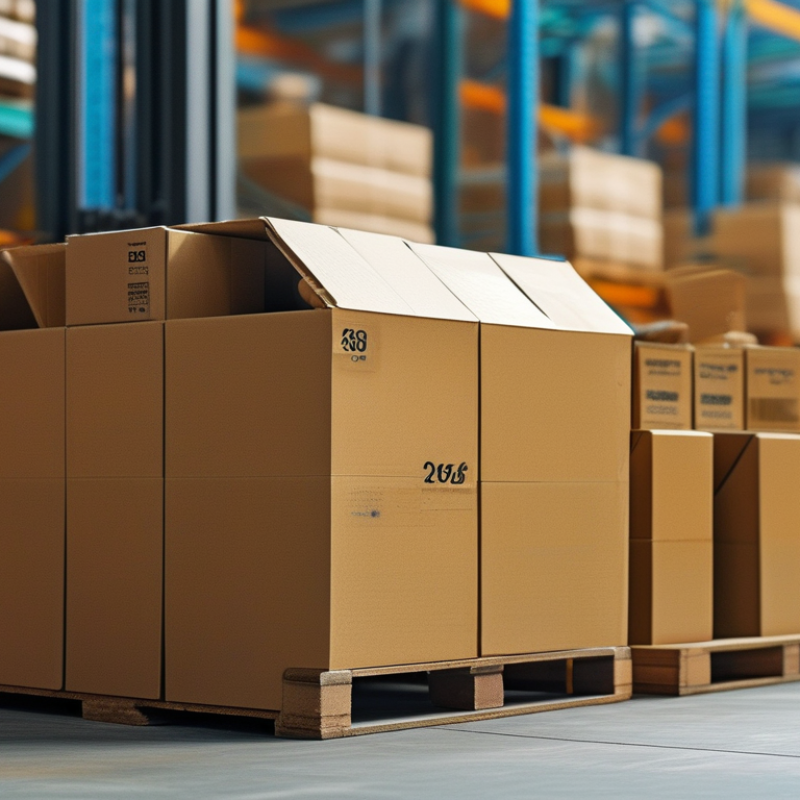
In 2026, packaging production costs are influenced by various factors. A recent industry report highlighted that raw material prices have surged by 15% since last year. This increase creates pressure on manufacturers to find cost-saving strategies. Additionally, labor costs remain a significant concern, with a projected rise of 6% in wages across several regions. These elements create a complex landscape for packaging professionals.
Innovative technologies are coming into play. Automated solutions, such as robotics, can reduce labor costs and enhance efficiency. Reports show that companies investing in automation can expect a 20% reduction in production costs. However, integrating new technologies requires upfront investment, which can be a barrier for smaller companies. Furthermore, the evolving regulations around sustainability also add complexity. Compliance with these guidelines often incurs additional costs, challenging packaging producers to balance eco-friendliness against economic viability.
Reducing packaging production costs involves focusing on specific areas. Material selection is crucial. A report by Smithers shows that raw material prices can account for over 50% of overall packaging costs. Opting for sustainable alternatives can often reduce costs, despite the initial investment. Paper and biodegradable plastics, for example, have seen significant price drops due to increased availability. Shifting to these materials can save money and enhance a brand's eco-image.
Process optimization is another key area. Many companies overlook energy efficiency in production. According to the Packaging Efficiency Association, improving energy use can cut costs by 20% or more. Investing in technology like automated systems can yield long-term savings. However, the upfront cost may lead to hesitance. This suggests a need for careful financial forecasting. Also, collaboration with suppliers can streamline processes and cut costs, but requires building strong relationships.
Additionally, waste reduction plays a vital role. The EPA indicates that packaging waste makes up a large portion of landfill waste. Implementing a more efficient design could minimize waste and costs. Periodic reviews can help identify areas for improvement. While many companies are moving towards innovative packaging solutions, the path to find what truly works is still being explored. Each step taken should be measured for effectiveness and future potential.
Innovative materials are reshaping packaging strategies in 2026. The push for sustainability is crucial. Materials like biodegradable polymers and recycled paper are becoming popular choices. These options reduce environmental impact and cut production costs. They require less energy and resources during manufacturing.
New technologies are also pivotal. Automation in production lines enhances efficiency. Smart packaging solutions track inventory and reduce waste. These advancements help manufacturers streamline processes and save money. However, the initial costs of adopting these technologies can be high.
Investing in research is essential for innovation. Companies must explore new blends of materials. They should consider life cycle assessments to understand long-term benefits. While innovative strategies often present uncertainties, the potential for cost savings is significant. A balanced approach will allow businesses to adapt while managing risks effectively.
| Strategy | Material Type | Cost Reduction (%) | Technology Used | Sustainability Impact |
|---|---|---|---|---|
| Use of Bioplastics | PLA (Polylactic Acid) | 20% | Injection Molding | High |
| Smart Packaging Technologies | QR Code Integration | 15% | Digital Printing | Medium |
| Lightweight Packaging Design | Recycled Cardboard | 10% | Automated Cutting | High |
| 3D Printing | Plastic and Metal Composites | 25% | 3D Printers | Medium |
| Bulk Packaging | Reusable Containers | 30% | Robotic Assembly | Very High |
Reducing packaging production costs is essential for businesses aiming for greater efficiency in 2026. Streamlining production processes is a powerful strategy. According to a report by Smithers Pira, reducing production waste can lower costs by up to 20%. The emphasis should be on minimizing overproduction and ensuring more efficient use of materials.
Investing in automation can lead to significant cost reductions. Automated processes often reduce labor costs and increase speed. A survey by the Packaging Machinery Manufacturers Institute found that companies using automation saw an average productivity increase of 30%. This is vital for staying competitive. However, the initial investment can be daunting, leading to hesitation among smaller companies.
Tips: Analyze current production workflows. Identify bottlenecks that slow down processes. Implement lean manufacturing principles to eliminate waste. Regularly train staff on efficient practices. Continuous improvement is key—even small changes can lead to significant cost savings over time. Embrace technology but remain mindful of the impact on your team. Ensure that automation complements rather than replaces the human element.
Sustainable practices in packaging are becoming essential for cost savings. Research from the Packaging Association indicates that companies adopting eco-friendly materials can reduce costs by up to 30%. This shift not only lowers production expenses but also enhances brand image. Customers are increasingly drawn to sustainable options, impacting purchasing decisions.
Using recycled materials is one effective strategy. Reports show that recycled content can cut raw material costs significantly. Additionally, optimizing package design to use less material can lead to savings. This approach not only decreases production costs but also minimizes waste. However, the transition isn’t always seamless. Some companies face initial higher costs associated with sourcing sustainable materials.
Investing in sustainable practices requires a long-term view. Companies must balance upfront investments against future savings. While some firms report immediate benefits, others may take time to see results. The key is to commit to ongoing evaluation and adaptation. Keeping an eye on industry trends can help in this journey.
: Biodegradable polymers and recycled paper are popular choices. They help reduce environmental impact.
Sustainability minimizes waste and conserves resources. It improves the overall efficiency of production.
Automation increases speed and reduces labor costs. It can enhance productivity by around 30%.
Initial costs can be high. This may cause hesitation, especially for smaller businesses.
Focus on efficient material use and avoid overproduction. Streamlining processes can cut costs by up to 20%.
Research allows for innovation in materials and methods. Understanding long-term benefits is crucial.
Identify bottlenecks and inefficiencies. Regularly update processes to improve efficiency.
Lean principles help eliminate waste. They create a more efficient production environment.
Regular training is critical for maintaining efficiency. Continuous improvement should always be encouraged.
It can lead to concerns about job replacement. Maintaining the human element is essential.
In 2026, understanding how to reduce packaging production costs is crucial for businesses. A thorough analysis of current packaging costs reveals that there are several key areas where expenses can be trimmed. By identifying inefficiencies in materials usage and production timelines, companies can target cost reduction more effectively.
Innovative materials and new technologies play a significant role in fostering cost-effective packaging solutions. Additionally, streamlining production processes not only enhances efficiency but also significantly lowers overhead costs. Embracing sustainable practices contributes to packaging cost savings as well, as they often lead to reduced waste and resource consumption. Implementing these strategies collectively will allow businesses to navigate the challenges of packaging production while maintaining profitability.

JSG Machinery