In 2026, the evolution of packaging machinery plays a crucial role in enhancing production efficiency. Businesses increasingly seek ways to innovate and streamline operations. The need to understand how does packaging machinery improve production efficiency is more pressing than ever.
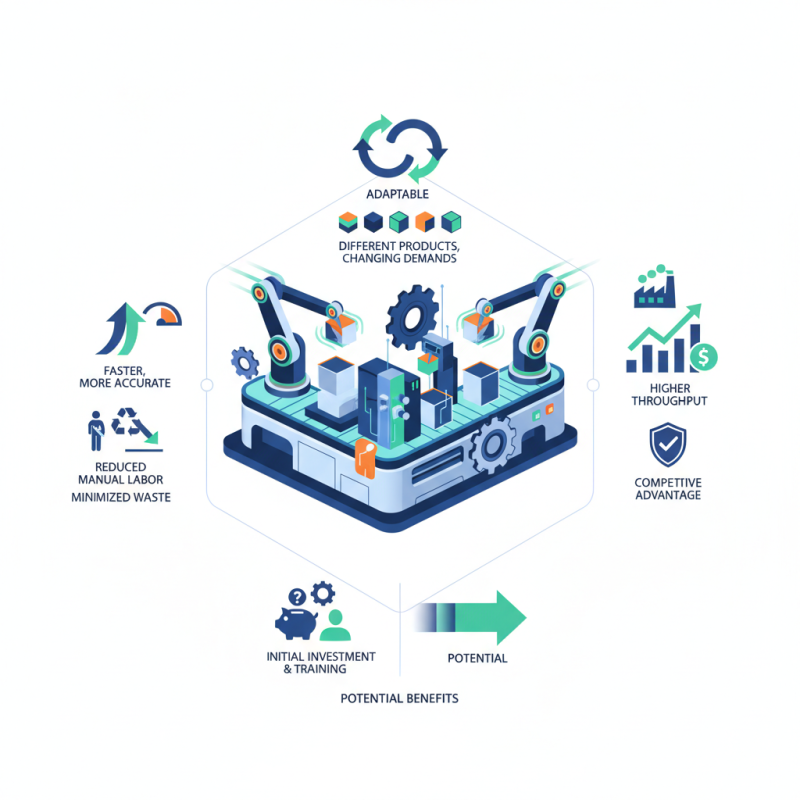
Advanced technologies now enable faster, more accurate packaging solutions. These systems reduce manual labor and minimize waste. For instance, automated filling and sealing machines ensure consistent product quality, leading to fewer returns. However, the transition to this level of automation can pose challenges, such as the initial investment costs and training requirements for staff.
Additionally, packaging machinery must be adaptable to different products and changing market demands. Companies may struggle with maintenance and integration into existing workflows. Despite these hurdles, the potential benefits are significant. Embracing improvements in packaging technology can lead to substantial cost savings and higher throughput. Understanding these nuances is vital for manufacturers aiming to remain competitive.
Automation is transforming modern packaging machinery and driving production efficiency. By 2026, reports indicate that over 70% of packaging processes will utilize automation technologies. This shift drastically reduces manual labor, minimizing human errors. For instance, using automated filling machines can improve speed by 30% compared to traditional methods. This efficiency promotes faster turnaround times, allowing companies to meet increasing consumer demands.
However, adopting automation poses challenges. The initial investment can be substantial, potentially deterring small businesses. Furthermore, workers must adapt to new technologies, which may lead to a skills gap. A recent study found that 40% of workers feel unprepared for automation in their roles. Addressing this gap is essential to ensure that the workforce remains relevant and productive.
Moreover, while automation increases consistency and quality, it may also lead to overreliance on machinery. Companies must balance automation with human oversight to maintain product quality. Regular maintenance and updates to equipment are crucial, as issues can disrupt production. It’s clear that while automation boosts efficiency, a thoughtful approach is required to navigate its complexities.
In 2026, packaging machinery is evolving rapidly, driven by groundbreaking technologies. Automation is at the forefront, enhancing production efficiency significantly. Machines now utilize advanced sensors and AI for real-time monitoring. This leads to faster adjustments and reduced errors, which boosts overall productivity. Additionally, the integration of robotics streamlines complex processes. These innovations create a more seamless production line.
Tips: Always consider the compatibility of new machines with existing systems. This can save both time and resources during the transition process.
Another key technology is smart packaging. It includes features like QR codes and NFC for better consumer engagement. These innovations allow companies to collect data on consumer preferences. With this information, businesses can adapt their offerings quickly. However, it’s essential to address the challenges of data privacy in this context.
Tips: Regularly evaluate the latest technology trends. Staying informed can help in making effective decisions.
Lastly, eco-friendly options are gaining traction. Biodegradable materials and energy-efficient machines are on the rise. Companies are feeling the pressure to adopt sustainable practices. Yet, balancing cost and environmental impact remains a challenge for many. Exploring all options can lead to better outcomes.
The evolution of Industry 4.0 is dramatically transforming packaging efficiency. Data from a recent report by McKinsey indicates that smart manufacturing technologies can improve productivity by up to 30%. Automation and robotics in packaging lines enable quicker operations. This shift reduces human error, yet it requires a skilled workforce to oversee these technologies.
Integration of IoT devices allows real-time monitoring of machines. This leads to predictive maintenance, which can cut downtime by 20%. However, many companies struggle with the transition. Adopting these advanced technologies is not without challenges. Workers need training, and infrastructure upgrades can be costly. Yet, the potential returns are significant.
As companies implement AI-driven analytics, they gain insights into production processes. This data shows bottlenecks and suggests improvements. While these advancements promise efficiency, they also highlight gaps in existing practices. Without proper adaptation, some sectors might lag behind. Balancing technology adoption with workforce readiness is crucial for sustained growth.
In 2026, advanced packaging machinery significantly reduces downtime. Downtime is a major concern in production lines. According to a recent report by the International Packaging Association, machinery-related downtime accounts for 23% of total production delays. Upgrading to automated packaging solutions can streamline operations, enhancing overall productivity.
Advanced technologies, like machine learning and IoT, help identify inefficiencies. These tools analyze performance in real-time. By predicting maintenance needs, companies can minimize unexpected breakdowns. The same report indicates that companies implementing predictive maintenance reduce downtime by 30%. This leads to higher output rates and improved profit margins.
Waste reduction is another advantage of modern packaging machinery. Traditional packing methods often result in excess material use. In contrast, precise machinery optimizes material rightsizing, cutting waste by up to 35%. However, not all companies adopt these advancements. Barriers like cost and training can hinder their efforts. There is a need for ongoing education in this rapidly evolving field. Embracing change is vital for staying competitive.
Upgrading packaging lines can significantly enhance production efficiency in 2026. Many manufacturers are noticing quantifiable benefits from modern machinery. For instance, automated systems reduce labor costs and minimize human error. This leads to a smoother workflow and ensures consistent product quality.
Furthermore, incorporating advanced technologies like AI and machine vision contributes to better decision-making in real-time. These upgrades can result in reduced downtime and higher throughput. Data-driven insights allow for quicker adjustments during production, ultimately increasing output and profitability. However, organizations must recognize that implementing new technologies can be challenging. The learning curve often leads to initial setbacks.
Regular training for staff and gradual integration of equipment can mitigate these issues. It is also vital to regularly evaluate the impact of these upgrades. Are they truly meeting production goals? Continuous reflection on performance ensures that manufacturers adapt to market changes effectively.
: Industry 4.0 can boost productivity by up to 30%. It transforms production with automation and robotics.
Real-time monitoring allows for predictive maintenance. This can reduce downtime by up to 20%.
Many firms struggle with training and costly infrastructure upgrades. These can delay technology integration.
AI-driven analytics provide insights into production bottlenecks. This helps suggest necessary improvements.
Upgrading machinery reduces downtime and waste. This enhances productivity and increases profit margins.
Precise machinery optimizes material use. It can cut waste by up to 35% compared to traditional methods.
Training mitigates initial setbacks from implementing new technologies. A skilled workforce ensures effective operation.
Regular evaluations are vital to meet production goals. Continuous reflection helps adapt to market changes.
Machine learning identifies inefficiencies in real-time. This leads to quicker adjustments and better decision-making.
Cost and the need for ongoing education often hinder progress. Companies must embrace change to stay competitive.
In 2026, the efficiency of production processes is significantly enhanced by advancements in packaging machinery, particularly through the integration of automation. This technology streamlines operations by reducing human error and increasing speed, which directly addresses the question of how does packaging machinery improve production efficiency. Key innovations, such as smart sensors and robotics, not only boost output but also enable real-time monitoring and adjustments, aligning with the principles of Industry 4.0.
Moreover, advanced packaging solutions are vital in minimizing downtime and waste, leading to a more sustainable production environment. By quantitatively assessing the benefits of upgrading packaging lines, manufacturers can clearly see improvements in throughput and cost-effectiveness, reinforcing the crucial role that modern packaging machinery plays in enhancing overall productivity in the manufacturing sector.

JSG Machinery