Packaging machinery plays a vital role in various industries, from food and beverage to pharmaceuticals. But what is packaging machinery? It refers to equipment that automates the packaging process, enhancing efficiency and ensuring product safety. The global packaging machinery market is projected to reach $50 billion by 2027, indicating significant growth. This growth is fueled by increasing demand for packaged goods and innovations in technology.
Effective packaging machinery streamlines production, as it minimizes manual labor and human error. Studies show that automation can improve packaging speed by up to 30%. Businesses can benefit from precise packaging, reducing waste considerably. However, companies must also consider the costs associated with these machines. Investing in advanced technology can be daunting, particularly for small businesses. They face challenges in maintaining equipment and adapting to evolving industry standards.
Understanding what is packaging machinery helps businesses make informed decisions. It involves evaluating various options, including speed, efficiency, and durability. Selecting the right machinery is crucial for meeting market demands. Yet, companies must continuously reflect on their strategies to adapt to changing consumer preferences and technological advancements. Balancing innovation with cost-effectiveness is key to sustaining success in this dynamic field.
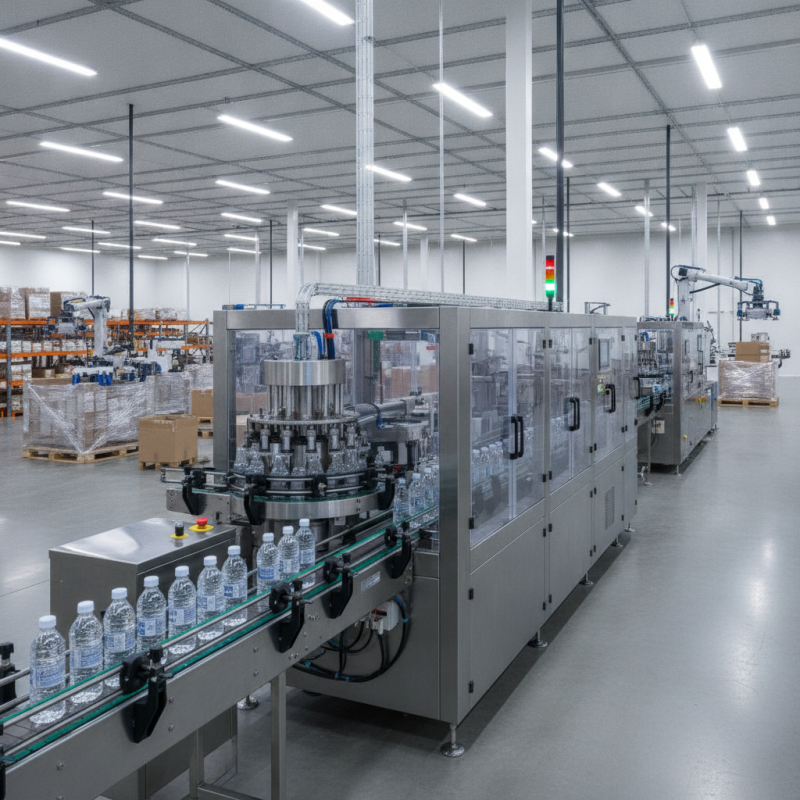
What is Packaging Machinery: Definition and Overview
Packaging machinery plays a crucial role in the logistics and manufacturing sectors. This equipment is designed to package products efficiently and securely. Typically, it includes machines for filling, sealing, labeling, and palletizing. In recent years, the global packaging machinery market has grown significantly. According to a report from MarketsandMarkets, the market is projected to reach USD 45.5 billion by 2026.
Understanding how packaging machinery functions is essential for optimizing production lines. These machines automate the packaging process, improving speed and reducing labor costs. For instance, a bottling machine can fill thousands of containers per hour. Yet, the transition to automation can be challenging. Companies often face integration issues with existing systems. Moreover, worker training on new machinery requires time and resources.
Despite advancements, some gaps in technology remain. Many machines still require manual oversight. This can lead to inconsistencies in packaging quality. Regular maintenance is also needed to avoid machine downtime. Data from the Packaging Machinery Manufacturers Institute indicates that 25% of companies report unplanned outages yearly. These insights highlight the importance of continuous improvement in packaging technology.
Types of Packaging Machinery: An Overview of Different Machines
Packaging machinery is essential in various industries. It includes machines that pack products into containers. Understanding the different types is crucial for optimizing production.
There are several key types of packaging machinery. Filling machines are one example, designed to fill containers with liquids or solids. These machines ensure accuracy. They often rely on sensors that monitor the fill level. Labeling machines help brands identify products. It is amazing how quickly they apply labels. Wrapping machines are another type, used to secure products with materials like plastic or paper. They can be adjustable, catering to different sizes.
Each machine plays a vital role in the packaging process. However, selecting the right equipment can be tough. Businesses must consider their specific needs. One common mistake is underestimating the importance of machine compatibility. Testing equipment before full-scale use is often overlooked. Regular maintenance also matters. Neglecting this can lead to breakdowns. Each type of machinery has its strengths and weaknesses, making it essential to choose wisely.
How Packaging Machinery Works: Key Components and Processes
Packaging machinery plays a vital role in modern manufacturing processes. It streamlines the packaging of products in various industries. Key components of packaging machinery include filling machines, sealing machines, and labeling machines. Each component serves a specific function, ensuring that products are efficiently packaged. According to a recent market report, the packaging machinery market is projected to reach $48 billion by 2025, driven by increasing demand for automation and efficiency.
Filling machines are crucial for accurately dispensing products into containers. They can handle various substances, from liquids to dry powders. Sealing machines then play a vital role in protecting the products from contamination. They secure the packaging, ensuring that the contents remain safe until they reach consumers. Labeling machines add important information for consumers, ranging from ingredients to recycling guidelines. The technology used in these components continually evolves, reflecting industry trends and consumer needs.
However, the integration of these machines is not without challenges. Maintenance is critical to ensure optimal performance. Manufacturers must invest in training staff. An under-trained workforce can lead to costly errors and downtime. Additionally, balancing automation with quality control remains an ongoing debate. Each industry has unique packaging needs, and there's no one-size-fits-all solution.
Packaging Machinery Efficiency by Type
Applications of Packaging Machinery in Various Industries
Packaging machinery plays a crucial role in various industries. It's used in food and beverage, pharmaceuticals, cosmetics, and consumer goods. Each industry has unique needs and challenges. For instance, food packaging must maintain freshness and safety. This machinery ensures products are sealed properly and labeled accurately.
In the pharmaceutical industry, precision is key. Packaging must protect sensitive medications and comply with strict regulations. Many machines provide tamper-evident seals and dose packaging. These features enhance safety and reliability for consumers. However, implementing such technology can be a learning curve for manufacturers.
Cosmetics face a different set of demands. Packaging should be visually appealing while maintaining product integrity. Machines used in this sector often incorporate advanced designs. They allow for customization, which helps brands stand out. Yet, the durability of the packaging remains a concern due to varying product formulas. And in consumer goods, balancing speed and quality is challenging. Manufacturers continuously strive for efficiency without compromising standards. Each application highlights the diverse functions of packaging machinery in industry today.
Future Trends in Packaging Machinery Technology and Innovation
The packaging machinery industry is evolving rapidly. Innovations in technology are shaping its future. Automation and robotics are making processes more efficient. Machines can now adapt to different product sizes without extensive retooling. This flexibility saves time and resources for manufacturers.
Sustainability is becoming a significant focus. Many companies are investing in eco-friendly materials and energy-efficient machines. The shift towards biodegradable packaging materials is evident. Consumers are more concerned about environmental impact than ever before. However, finding reliable suppliers for these materials remains a challenge. The balance between performance and sustainability often leads to difficult decisions.
Artificial intelligence and smart technologies are emerging trends. They enable predictive maintenance and reduce downtime. Yet, the integration of AI comes with its own set of complexities. Training staff to work with new technologies can be time-consuming. Additionally, data security and privacy issues need careful consideration. As the industry continues to innovate, it will face ongoing challenges to ensure reliability and efficiency.
FAQS
: Packaging machinery is equipment designed to package products efficiently. It includes machines for filling, sealing, and labeling.
It enhances efficiency in logistics and manufacturing sectors. Automation improves speed and reduces labor costs significantly.
Integration issues with existing systems may arise. Worker training on new machinery requires time and resources.
Each industry faces unique challenges, like food needing freshness, and pharmaceuticals requiring compliance with stringent regulations.
Sustainability is a major focus. Companies explore eco-friendly materials but face challenges finding reliable suppliers.
They enhance efficiency and adapt to different product sizes. This flexibility saves time and resources for manufacturers.
Innovations include artificial intelligence for predictive maintenance. Integration may complicate training and create security issues.
Yes, many machines still need manual oversight, causing inconsistencies. Regular maintenance is needed to ensure optimal performance.
It should be visually appealing while maintaining product integrity. Durability might be challenged by varying product formulas.
Ongoing innovation will transform reliability and efficiency. Facing ongoing challenges will be crucial as technology evolves.
Conclusion
Packaging machinery plays a crucial role in the production and distribution of consumer products across various industries. So, what is packaging machinery? It refers to the equipment used for packing goods, which comes in various types, including filling machines, sealing machines, and labeling machines, tailored to meet the specific needs of different products. Understanding the different types of packaging machinery helps businesses choose the right equipment for their operations.
The functionality of packaging machinery involves key components and processes, such as automation and control systems, which enhance efficiency in packaging operations. The applications of packaging machinery span multiple industries, including food and beverage, pharmaceuticals, and cosmetics, demonstrating its versatility. As technology advances, future trends in packaging machinery focus on innovation, sustainability, and the integration of smart technologies, thereby revolutionizing how products are packaged and enhancing overall productivity.

 JSG Machinery