Improving packaging accuracy is vital for enhancing supply chain efficiency. Many companies struggle with errors in packing, leading to operational delays and increased costs. Understanding how to improve packaging accuracy can streamline processes and boost customer satisfaction.
Poor packaging practices often result in mislabeling or incorrect items being sent. This not only frustrates customers but also impacts the company’s bottom line. Inefficient packaging contributes to waste and logistical challenges. Flaws in the packing process create cycles of rework, further complicating timelines.
To mitigate these issues, companies should consider advanced packaging technologies. Implementing automated systems can minimize human error in packing. Training staff effectively can also lead to improved accuracy. Regular audits of packing procedures ensure consistent performance. By reflecting on current practices, organizations can identify weaknesses and make necessary adjustments. Combining experience and innovation will pave the way for improved packaging accuracy.
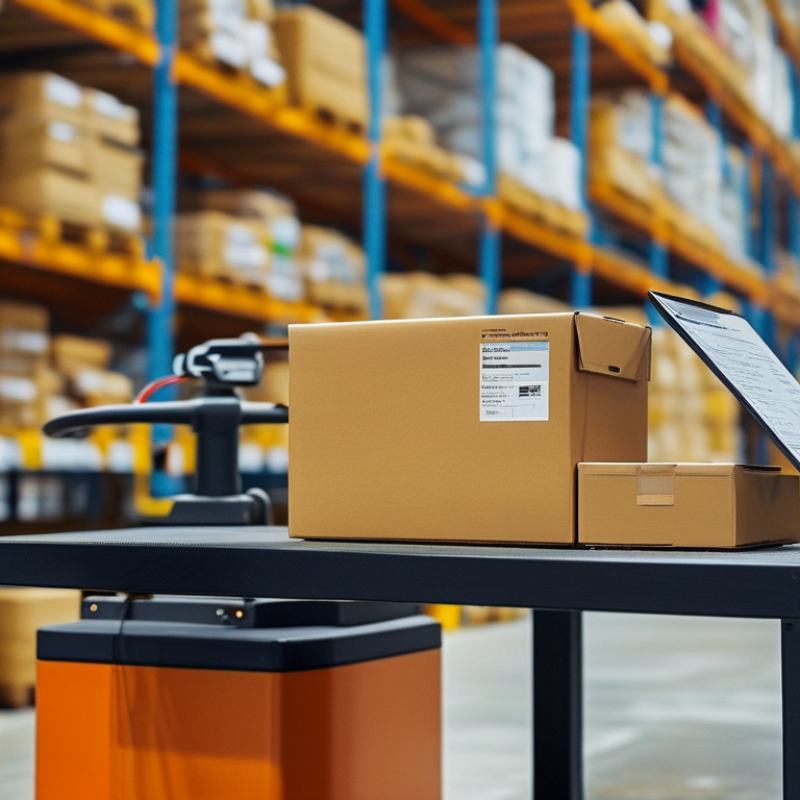
Packaging accuracy plays a vital role in supply chains. Inaccurate packaging can lead to increased costs and delays. According to a report by the Supply Chain Management Review, 25% of all shipping errors stem from packaging mistakes. This statistic highlights the need for focused strategies to enhance accuracy during packaging processes.
Improving packaging accuracy not only minimizes errors but also enhances customer satisfaction. A survey conducted by Deloitte found that businesses with high packaging accuracy levels reported a 30% increase in customer retention. Implementing technologies like barcode scanning and automated packing systems can prove beneficial. However, many organizations still struggle to integrate such solutions effectively. Lack of training and poor communication often lead to discrepancies.
Reflection is essential. Achieving packaging accuracy is not merely a technical problem. Companies need to foster a culture of accountability and continuous improvement. Frequent audits and employee feedback loops can address ongoing challenges. Some businesses may overlook the human factor, which can significantly impact overall efficiency. Balancing technology and human involvement is crucial for success.
In logistics, packaging accuracy is often hindered by several challenges. Mislabeling is a common issue. When packages are incorrectly labeled, it leads to confusion and delays. These mistakes can occur due to human error or poor training. Inadequate training can leave staff unaware of proper procedures. This not only affects efficiency but also quality control.
Another prevalent challenge is the variability in packaging materials. Some materials may not offer consistent protection during transit. This inconsistency results in damaged goods and increased returns. Sometimes, companies may opt for cheaper materials, sacrificing quality for cost savings. Such decisions can have long-term repercussions on brand reputation.
Technological limitations also play a role. Not all logistics companies use advanced packaging solutions. Outdated equipment can lead to inefficiencies and mismanagement. While high-tech options exist, they are not universally implemented. The reluctance to invest in new systems can hinder progress. Addressing these challenges is essential for improving overall supply chain efficiency.
Enhancing packaging accuracy is crucial for supply chain efficiency. Accurate packaging reduces errors and improves overall operations. One effective strategy is investing in quality control technologies. Automated systems can verify packaging dimensions and weights. Regular audits ensure these systems function optimally.
Training staff is another key component. Employees should understand the importance of precision. Engaging team members in the process can foster a culture of accountability. Providing hands-on training can highlight common mistakes. This practical approach encourages reflective learning.
Tracking and analyzing packaging data is vital too. Identifying patterns can reveal areas needing improvement. Regularly updating packaging protocols based on data helps in maintaining accuracy. While technology plays a significant role, human oversight remains essential. Balancing both can lead to sustainable efficiency.
In today's fast-paced logistics environment, packaging accuracy plays a crucial role in supply chain efficiency. Technology is rising as a game changer in this sector. According to a recent report from Logistics Management, 68% of companies now leverage automation and software solutions to enhance packaging processes. These tools minimize human error and ensure that products are packed according to precise specifications.
Advanced technologies like artificial intelligence and IoT are transforming traditional methods. For instance, using smart sensors can track package dimensions and weight in real time, reducing mismatches. This instant feedback informs packers, allowing them to make adjustments on the fly. A study by McKinsey highlights that integrating such technologies can cut packaging errors by up to 30%. However, many businesses still grapple with outdated systems, leading to inefficiencies. The reluctance to adopt new technologies poses significant risks.
Yet, adopting technology is not without challenges. Many companies face issues with system compatibility and training employees. A report by Supply Chain Dive indicates that 45% of organizations struggle to align tech with existing workflows. Investing in technology must be accompanied by a robust change management strategy to ensure success. The transition may seem daunting, but the potential benefits for packaging accuracy and operational efficiency are substantial.
Accurate packaging plays a crucial role in supply chain efficiency. It influences various aspects, such as inventory management and shipping times. When packaging is imprecise, costs increase. Products may break or be returned due to incorrect sizing. Even small mistakes add up over time.
Effective measurement of packaging accuracy is essential. Companies should track error rates in packaging processes. A simple metric is the percentage of correctly packed items. Regular audits can reveal patterns and areas needing improvement. Perhaps packaging staff need additional training, or there may be equipment failures.
Investing in quality packaging materials also matters. High-quality materials can reduce damage during transit. However, it's vital to balance cost with performance. Cheap materials may seem attractive but can lead to more returns. Adopting a continuous improvement mindset can help companies refine their processes over time. This can be challenging but ultimately beneficial for maintaining a competitive edge.
: Packaging accuracy reduces costs and delays. It enhances customer satisfaction as well.
Reports indicate that 25% of shipping errors are due to packaging inaccuracies.
Companies can use technologies like barcode scanning and automated packing systems. However, successful integration is key.
Mislabeling and variability in packaging materials are common challenges that lead to delays and damaged goods.
Inadequate training results in errors. Staff awareness of proper procedures is crucial for efficiency.
Many logistics companies use outdated equipment. This can lead to inefficiencies and poor management.
Analyzing packaging data helps identify issues. Regular updates based on this data can maintain accuracy.
Engaging employees and providing hands-on training fosters responsibility and encourages reflective learning.
Cheaper materials may result in inconsistent protection and damaged goods. This can harm brand reputation.
Balancing technology and human oversight is essential for ongoing improvements in packaging processes.
In today's competitive logistics landscape, understanding how to improve packaging accuracy is essential for optimizing supply chain efficiency. Packaging accuracy directly impacts inventory management, order fulfillment, and customer satisfaction. Common challenges include mislabeling, incorrect packing dimensions, and insufficient employee training. Addressing these issues can significantly enhance operational performance.
Key strategies for enhancing packaging accuracy include implementing standardized procedures, conducting regular training for staff, and adopting automated systems that reduce human error. Moreover, leveraging technology plays a vital role in streamlining packaging processes. Tools such as barcode scanners and advanced software solutions can facilitate real-time tracking and verification of packaged goods. Ultimately, measuring the effects of accurate packaging reveals its substantial benefits, including reduced costs, minimized delays, and improved customer relationships, demonstrating the clear link between packaging precision and overall supply chain efficiency.

JSG Machinery