In today's fast-paced manufacturing landscape, understanding "why is packaging automation important" has become crucial. According to a recent report by Smithers Pira, automated packaging systems can increase productivity by up to 30%. These systems streamline operations and reduce human error. Dr. Emily Chen, a leading expert in packaging technology, states, "Automation is no longer optional; it's essential for competitive success in packaging."
As businesses strive for efficiency, the pressure to innovate is intense. A 2022 study by McKinsey revealed that companies adopting packaging automation reported a 15% reduction in costs over two years. These savings could be vital in today's fluctuating economy. Companies that lag behind in automation risk losing market share to more agile competitors.
There is, however, a notable challenge. Implementing automation can require significant upfront investment. This raises questions for many stakeholders. Are the long-term benefits worth the initial costs? Packaging automation is a complex journey, but the potential rewards are substantial. Failing to grasp its importance could leave businesses vulnerable.
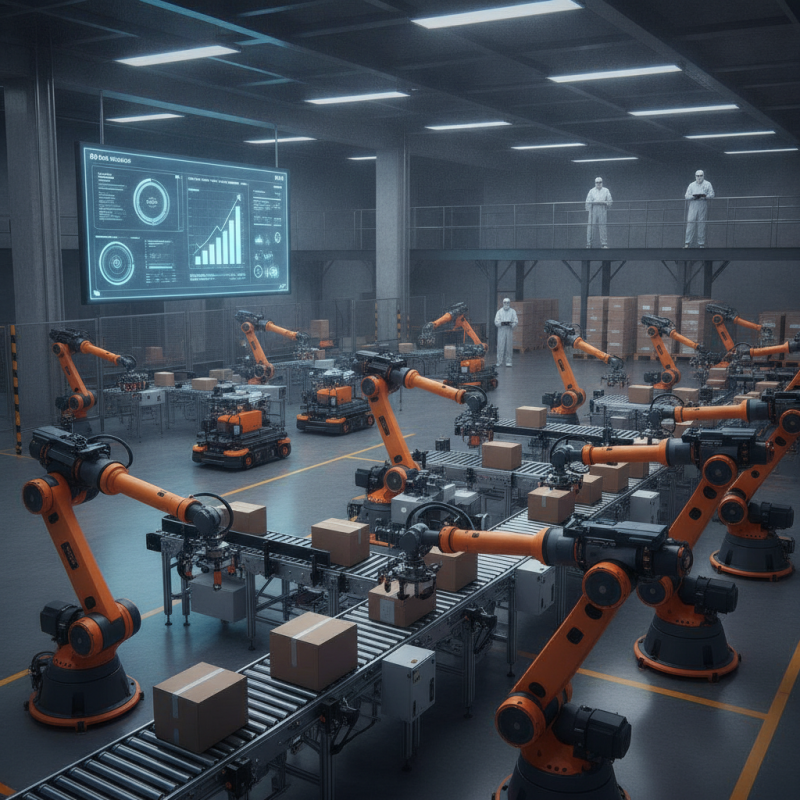
The Role of Packaging Automation in Modern Business Operations
Packaging automation plays a crucial role in modern business operations. It streamlines processes, increases efficiency, and reduces operational costs. According to a recent industry report, companies that implement packaging automation can improve productivity by up to 25%. This significant boost allows businesses to meet increasing consumer demand without sacrificing quality.
Automation reduces the reliance on manual labor. In 2023, an estimated
55% of companies noted a decrease in labor-related errors after automating packaging processes. However, the transition isn't always smooth. Some companies face challenges integrating new technologies. Training employees and maintaining equipment can be complex.
Additionally, businesses must consider sustainability. Automated packaging can lead to reduced waste. Yet, there are still concerns about the environmental impact of packaging materials used. Balancing efficiency with eco-friendly practices remains a critical consideration for many. Addressing these issues is vital for long-term success in today’s market.
Key Benefits of Implementing Packaging Automation Strategies
Packaging automation plays a crucial role in modern businesses. It streamlines production and enhances efficiency. By automating packaging processes, companies reduce human error and create consistent quality. This is key for meeting consumer expectations. Automated systems can significantly speed up production. This increase in speed directly correlates with higher output levels.
Another vital benefit is cost reduction. Labor costs can be a significant burden. Automation reduces the number of staff needed for packaging tasks. Fewer workers mean reduced expenses on salaries and training. Additionally, automated systems can use materials more efficiently, minimizing waste in the packaging process.
However, businesses must consider initial investment costs. Some may find automation daunting. The transition can be complex and might disrupt existing workflows. Training staff to operate new machinery is essential. Companies must also analyze their specific needs before implementing systems. This reflective approach ensures better alignment with their goals.
Why is Packaging Automation Important for Your Business? - Key Benefits of Implementing Packaging Automation Strategies
| Benefit |
Description |
Impact on Business |
| Increased Efficiency |
Automation streamlines the packaging process, reducing time and labor costs. |
Higher throughput and lower operational costs. |
| Consistency and Quality |
Automated systems ensure uniform packaging, reducing errors and improving product quality. |
Enhanced customer satisfaction and reduced returns. |
| Scalability |
Easy to scale up or down based on demand, allowing for flexibility in operations. |
Better alignment with market trends and customer needs. |
| Cost Savings |
Reduces labor and material costs associated with manual packaging processes. |
Improved profit margins and financial performance. |
| Sustainability |
Automated solutions can optimize material usage, leading to less waste. |
Enhanced brand image and compliance with environmental standards. |
Cost Savings and Efficiency Through Packaging Automation
Packaging automation presents significant cost savings and boosts efficiency for businesses across various sectors. According to a 2021 report by Research and Markets, the global packaging automation market was valued at $58.3 billion and is projected to grow at a compound annual growth rate (CAGR) of 8.6% from 2022 to 2030. This growth illustrates the increasing recognition of the benefits of automation technologies in packaging processes.
Automated packaging lines can reduce labor costs by up to 30%, creating a leaner operation. In logistics, the reduced human error results in fewer damaged products, translating to lower replacement costs. A report by PMMI suggests that companies implementing automation have seen an average efficiency increase of 25%. Yet, it's essential to recognize that transitioning to automation can initially require a significant investment in technology and training. This step can be daunting for smaller businesses with limited capital and resources.
Despite the challenges, the long-term benefits often outweigh the upfront costs. Companies must carefully evaluate their processes before automation. Understanding where inefficiencies lie is crucial for maximizing gains. It’s important that businesses approach automation with a realistic perspective. Not all processes may be suitable for automation, and thoughtful integration is key for sustainable success.
Enhancing Product Safety and Quality with Automated Packaging
Automated packaging is key to enhancing product safety and quality. By minimizing human error, automation ensures consistent sealing and labeling. This reduces the risk of contamination during the packaging process. Moreover, automated systems can detect defects, allowing for immediate corrective actions. Companies can trust that their products are safely packaged and ready for market.
Tips: Regularly audit your packaging processes. Look for areas where human intervention can lead to mistakes. Invest in technology that offers real-time monitoring and feedback. This enhances product safety.
Quality control becomes more efficient with automation. Systems can track and maintain optimal conditions, preventing damage. Automated packaging machinery allows for precise measurements, ensuring that the product remains intact. Flaws in packaging can lead to customer dissatisfaction.
Tips: Train staff on the importance of automated systems. Encourage ongoing education to keep expertise sharp. Regularly assess the effectiveness of your packaging solutions to identify areas for improvement. Automation can reveal patterns that manual processes may miss.
Future Trends in Packaging Automation Technology and Practices
The landscape of packaging automation is rapidly evolving. Emerging technologies such as AI and robotics are transforming how businesses approach their packaging processes. Companies can now leverage these tools for efficiency. For instance, automated systems can quickly adjust to different product dimensions. This flexibility reduces downtime, allowing for higher throughput. Additionally, predictive maintenance can anticipate issues before they escalate, saving costs and avoiding significant disruptions.
Sustainability is another crucial trend in packaging automation. Many businesses are exploring eco-friendly materials and processes. These innovations help reduce waste and promote a positive brand image. Implementing greener practices can attract environmentally conscious consumers. However, the transition to sustainable methods may require upfront investment and a shift in mindset. Companies must reflect on their choices and the potential impacts.
Moreover, the integration of smart technology into packaging is gaining momentum. Internet of Things (IoT) devices enable real-time monitoring of packaging lines. This data-driven approach helps identify inefficiencies. It also fosters informed decision-making. Nonetheless, reliance on technology can pose challenges. System failures or cybersecurity risks may arise. Businesses should prepare for these uncertainties as they navigate this transition.
Conclusion
Packaging automation plays a crucial role in modern business operations by streamlining processes and enhancing efficiency. By implementing packaging automation strategies, companies can significantly reduce labor costs and increase output speed, leading to improved profitability. The importance of packaging automation lies not only in cost savings but also in its ability to enhance product safety and quality. Automated systems help minimize human error and ensure consistency in packaging, safeguarding products during distribution.
In addition to these immediate benefits, businesses must also pay attention to future trends in packaging automation technology and practices. As advancements continue to emerge, understanding why packaging automation is important will be key for companies aiming to stay competitive in an evolving market. Embracing these innovations will prepare businesses for greater sustainability and improved customer satisfaction in the long run.

 JSG Machinery