What is the future of packaging machinery? The answer is emerging on factory floors, where robotic arms handle delicate products, vision systems inspect seals, and sensors record every movement. Packaging equipment is becoming more connected, flexible, and data-driven. Yet the transformation is not only about installing faster machines. It also concerns safer operations, lower material use, easier maintenance, and better decisions.
Jorge Izquierdo, Vice President of Market Development at PMMI, has described this direction clearly: “The future belongs to packaging machinery that connects people, data, and production goals.” His observation reflects a practical industry reality. A machine may run quickly, but it creates limited value without reliable data and trained operators. Modern platforms increasingly support predictive maintenance, remote diagnostics, digital twins, and rapid format changes. These tools can reduce downtime when applied carefully.
Sustainability is becoming a design requirement. Lightweight films, recyclable structures, and precise dosing can reduce waste at the source. However, greener packaging may demand new sealing temperatures, feeding systems, and quality controls. The transition will not be effortless.
Not every factory needs artificial intelligence.
Some still need stability first.
The real question is not whether technology will advance. It is whether manufacturers can adopt it responsibly, measure its results, and keep people involved. Future-ready machinery should be efficient, adaptable, and understandable. That last requirement is often underestimated. A technically impressive system can fail when workers cannot adjust it confidently or managers cannot verify its promised savings.
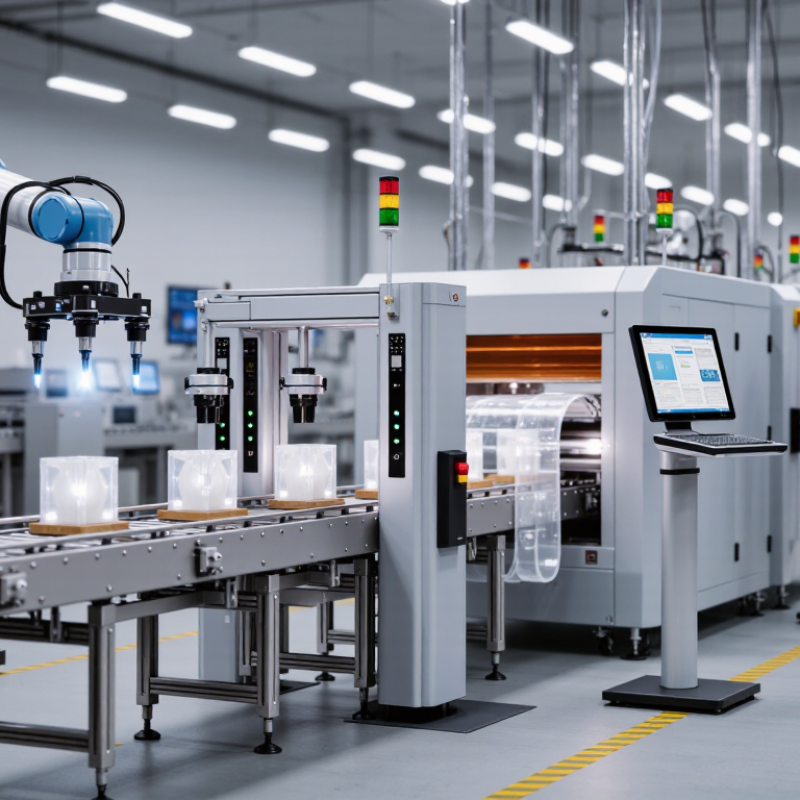
Packaging machinery includes equipment that fills, seals, labels, codes, inspects, and packs products. Its scope covers primary, secondary, and transport packaging operations. A liquid filler measures product volume, while a case packer groups finished units for distribution. Sensors, conveyors, control systems, and safety devices connect these stages into one production line.
The definition is useful, but not perfect. Many modern lines combine mechanical equipment with software, robotics, vision inspection, and data monitoring. Grand View Research estimated the global packaging machinery market at about USD 52.83 billion in 2023, with continued growth expected through 2030. PMMI’s 2024 industry analysis also highlights automation, labor shortages, and equipment flexibility as major operational concerns. These findings show why machinery now supports more than speed.
Core functions include accurate dosing, consistent sealing, product protection, traceability, and waste reduction. A weak seal can damage an entire shipment. A poorly calibrated sensor can create hundreds of rejected packs. Automation helps, but it is not a magic cure. Operators still need training, maintenance discipline, and practical judgment. The Smithers packaging outlook points toward stronger demand for efficiency and material optimization, yet real factories often face older equipment and limited floor space. Future machinery must therefore be modular, easier to clean, and compatible with changing pack formats. Small improvements matter.
Packaging machinery is moving from isolated equipment toward connected, adaptive production systems. In recent production assessments, sensors on conveyors revealed small speed changes before they caused visible defects. Machine vision now checks seal position, print clarity, fill level, and package alignment in real time. Artificial intelligence can detect patterns that operators may miss during long shifts. However, glare, dust, and unusual packaging shapes still confuse inspection systems. Human judgment remains essential.
Robotics is also reshaping loading, palletizing, and changeover tasks. Collaborative robots can work beside operators and adjust movement through software settings. Digital twins allow engineers to test a line before installing physical equipment. This reduces trial time and exposes weak points earlier.
Still, a digital model is only useful when its data is accurate. Data matters. Poor sensor calibration can create confident but misleading predictions.
Sustainability is becoming a machinery requirement, not merely a material choice. Servo drives, heat recovery, and lightweight components can reduce energy use during continuous operation. Smart systems may also adjust sealing temperature when production conditions change. The challenge is balancing efficiency with reliability, especially for small manufacturers with limited maintenance teams. Cybersecurity deserves equal attention, because connected machines can expose sensitive production data. Not every upgrade pays. Practical testing, trained staff, and measurable performance targets should guide each investment.
Packaging machinery is moving from isolated automation toward connected production systems. Servo drives, vision sensors, and robotic arms now coordinate filling, sealing, labeling, and palletizing tasks. A machine can adjust speed when sensors detect product changes. This reduces waste during demanding production shifts.
Robotics brings practical flexibility to modern packaging lines. Collaborative robots can handle cartons, trays, and lightweight containers beside trained operators. Vision systems check position, shape, and print quality before products leave the line. Smart manufacturing software also records downtime, temperature, pressure, and rejected units. Engineers can study this information through an industrial dashboard. They can identify repeated stoppages instead of guessing at the cause.
The transition is not completely smooth. Older machines may lack compatible data connections. A quick retrofit can create confusing information or unreliable readings. One loose sensor can interrupt an entire packing cell. Operators still need clear training, manual controls, and realistic maintenance schedules. Cybersecurity also requires attention when machines share production data across networks. In practice, successful automation depends on careful testing, documented procedures, and regular human inspection. Some factories may automate too quickly. That mistake can cost more than a slower, measured upgrade.
Top trends in automation, robotics, and smart manufacturing applications
The chart shows indicative compound annual growth rates reported across global market studies for major packaging machinery technology segments. Robotics, AI-enabled inspection, and connected smart-manufacturing systems are expected to expand faster than conventional automation as manufacturers focus on labor efficiency, quality control, traceability, and flexible production.
Note: Growth estimates represent aggregated industry-market projections for approximately 2024–2029; reported values vary by market definition and region.
Packaging machinery is moving from faster production toward measurable resource efficiency. The shift is practical, not cosmetic. The International Energy Agency reports that industry uses about 37% of global final energy. This makes efficient motors, heat recovery, and smart control systems important investment areas.
Modern equipment can reduce compressed-air leaks, idle power, and material waste during changeovers. Servo-driven dosing systems also improve accuracy when using lightweight films or thinner cartons. The European Environment Agency reported that EU packaging waste reached 188.7 kilograms per person in 2021. Machinery must therefore support lower material use without weakening product protection. That balance remains difficult.
Design choices matter. According to the Ellen MacArthur Foundation’s Global Commitment 2023 report, packaging systems still depend heavily on virgin plastic, while reuse and recycling targets lag behind expectations. Equipment should handle recyclable mono-material structures, water-based coatings, and fiber-based formats with fewer production interruptions. It also needs reliable sensors and traceable energy data. Otherwise, sustainability claims become difficult to verify.
Not every retrofit pays back. Older lines may need better insulation, variable-speed drives, or automated fault detection before full replacement. Operators should measure energy per packed unit, scrap rates, cleaning water, and changeover losses. The data may expose uncomfortable weaknesses. That is useful.
Sustainable machinery is not only newer machinery; it is equipment that proves resource savings under real operating conditions.
Packaging machinery is entering a more demanding phase. Smithers projects the global packaging market will exceed US$1.3 trillion by 2028. That growth creates opportunity, but equipment suppliers face tighter margins, labor shortages, energy costs, and complex recycling requirements. PMMI’s 2024 State of the Industry report identifies automation, labor availability, and flexible production as major industry concerns. A machine must now change formats quickly, collect reliable data, and reduce material waste.
Emerging opportunities are strongest in modular automation, machine vision, predictive maintenance, and digital twins. These tools can detect a weak seal before hundreds of packs leave the line. Yet technology alone is not enough. A fast robot may increase waste if operators cannot adjust it correctly. Mono-material packaging also needs compatible forming, filling, and sealing systems. UNEP’s 2023 Turning off the Tap report says plastic pollution could be reduced by 80% by 2040 through system-wide changes. That target exposes a difficult reality: machinery design must connect with recycling infrastructure, not operate separately. Progress will be uneven, and some “smart” upgrades may deliver disappointing returns.
Tips: Start with measurable losses, such as downtime, scrap, energy use, and changeover minutes. Choose open data interfaces and modular components. Test new materials on the actual production line, not only in a showroom. Train operators early. Their practical feedback can reveal problems that software dashboards miss.
Servo drives, vision sensors, and robotic arms can coordinate several packaging tasks. They support filling, sealing, labeling, and palletizing. A sensor may detect product changes and adjust machine speed. This can reduce waste during long production shifts.
Collaborative robots can move cartons, trays, and lightweight containers beside trained operators. They add flexibility when products or formats change. Their usefulness depends on proper setup and supervision. Fast is not always better.
Vision systems inspect position, shape, and printed information. They can identify misaligned items before products leave the line. A single camera may catch a weak label or poor placement. Lighting and calibration still matter.
Software can record downtime, temperature, pressure, and rejected units. Engineers can review repeated stoppages through an industrial dashboard. This replaces some guessing with measurable evidence. The dashboard is not truth. Sensors may still provide unreliable readings.
Older machines may lack compatible data connections. A rushed retrofit can create confusing information or unstable readings. One loose sensor may stop an entire packing cell. Testing should happen before full production.
Equipment can reduce compressed-air leaks, idle power, and material waste during changeovers. Servo-driven dosing systems may improve accuracy with thinner films or cartons. Factories should measure energy per packed unit and scrap rates. Savings must be proven.
Machines should handle recyclable mono-material structures, water-based coatings, and fiber-based formats. Forming, filling, and sealing equipment must work together. New materials should be tested on the actual production line. Showroom results can mislead.
Not always. An older line may improve through insulation, variable-speed drives, or fault detection. Replacement can cost more than a measured retrofit. However, some upgrades may disappoint if the equipment remains inefficient. Real operating data should guide the decision.
Manufacturers should begin with measurable losses, including downtime, scrap, energy use, and changeover minutes. Open data interfaces and modular components can simplify future upgrades. Operators need training, manual controls, and realistic maintenance schedules. Their feedback may reveal problems software misses.
Packaging machinery encompasses the equipment and integrated systems used to fill, seal, label, inspect, pack, and handle products efficiently and safely. Its future is being shaped by automation, robotics, intelligent sensors, data analytics, and connected manufacturing platforms. These technologies can improve production accuracy, reduce downtime, support predictive maintenance, and enable flexible systems that quickly adapt to changing product formats and market demands.
Sustainability is also becoming a central priority. Future equipment will focus on reducing material waste, energy consumption, water use, and packaging defects while supporting recyclable and resource-efficient packaging solutions. However, manufacturers must address challenges such as high investment costs, workforce training, system integration, cybersecurity, and increasingly complex production requirements. Overall, what is the future of packaging machinery will depend on the balanced development of smart automation, sustainable engineering, operational flexibility, and practical innovation. Opportunities will continue to grow for companies that create efficient, adaptable, and environmentally responsible packaging systems.

JSG Machinery