In the rapidly evolving packaging industry, understanding what factors affect packaging machine performance is crucial. According to a report by Smithers Pira, the global packaging machinery market is projected to reach $45 billion by 2024. This growth emphasizes the importance of optimizing packaging processes and equipment.
Key factors influencing machine performance include technology, operational efficiency, and maintenance practices. Advanced technologies, such as automation and IoT, improve speed and accuracy. A study by MarketsandMarkets highlights that automation can enhance output by up to 30%. However, reliance on advanced technology also requires skilled operators for effective use.
Additionally, regular maintenance cannot be overlooked. Neglecting this aspect can lead to unexpected downtime. Industry experts suggest that implementing a robust maintenance schedule can reduce costs by up to 25%. Yet, many organizations struggle with this due to resource constraints. Balancing technology and human expertise remains a challenge that deserves ongoing attention.
Types of Packaging Machines and Their Applications
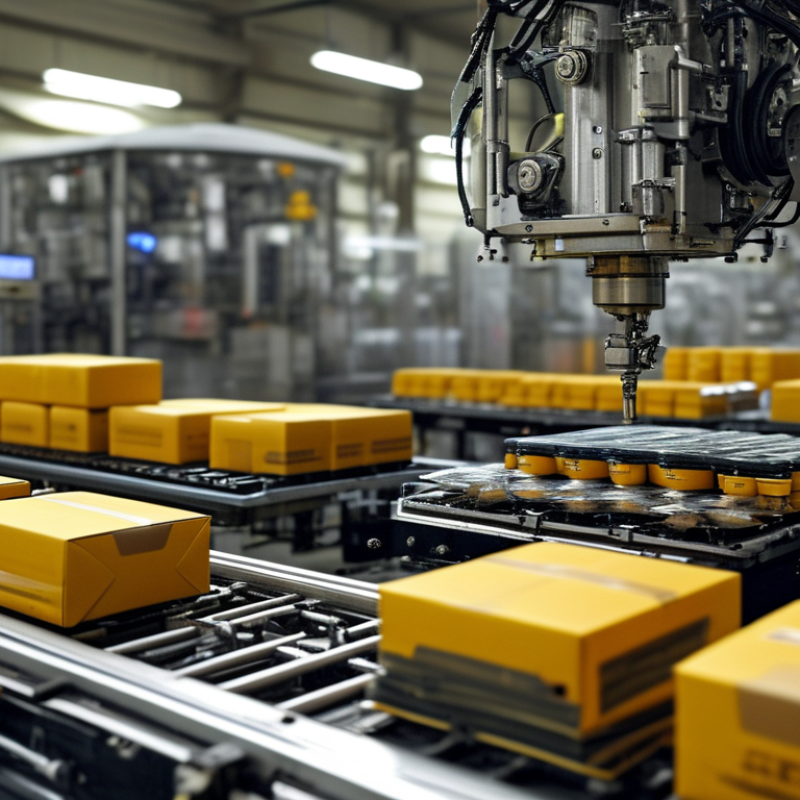
Packaging machines play a crucial role in various industries, from food to pharmaceuticals. These machines come in many types, including fill-seal, shrink-wrapping, and robotic palletizers. Each type has specific applications based on the product's nature and packaging needs. For example, fill-seal machines are ideal for liquid products, ensuring accurate filling while maintaining hygiene.
According to a report by MarketsandMarkets, the global packaging machinery market is projected to reach 46 billion USD by 2028. This growth is largely attributed to the rising demand for packaged goods. Shrink-wrapping machines are particularly notable in the retail sector. They offer both protection and shelf appeal. However, not every company maximizing efficiency in packaging machinery. Some may underestimate the importance of machine maintenance. This can lead to downtime and inefficiency.
Industry experts suggest that automation in packaging is on the rise. Robotic palletizers, for instance, enhance productivity but require skilled operators. Training and ongoing education are vital for staff to handle advanced machinery effectively. There are challenges in adapting to new technology. Companies must critically evaluate their processes to remain competitive. Balancing investment with cost-efficiency is essential in today’s fast-paced market.
This chart illustrates key performance factors of packaging machines, including their speed measured in units per minute, efficiency as a percentage, maintenance frequency in times per month, and flexibility in terms of the types of packages they can handle. These metrics are crucial for assessing the capabilities and operational efficiency of different types of packaging machines.
Key Technical Specifications Affecting Machine Performance
When considering the performance of packaging machines, key technical specifications play a crucial role. Speed is one significant factor. Machines operating at higher speeds can handle larger volumes. However, faster machines may compromise precision. It's essential to balance speed with accuracy to meet production goals.
Another important specification is the machine's versatility. Can it adapt to different packaging types? Flexibility in handling various materials allows production lines to pivot quickly. This capability is vital for businesses that frequently change product designs. Investing in adaptable machines could yield long-term benefits.
Tips: Assess your production needs regularly. Understand the trade-offs between speed and precision. Consider machines that offer both functionality and adaptability. Evaluate the long-term costs of maintenance as well. Investing wisely now can prevent bigger issues later.
Impact of Material Quality on Packaging Efficiency
The quality of materials used in packaging significantly affects machine performance and efficiency. Flimsy or inconsistent materials can lead to frequent downtimes, slowing production rates. According to a report by the International Packaging Association, subpar materials can reduce machine output by as much as 20%. This inefficiency not only increases operational costs but also impacts product integrity.
Using high-quality packaging materials helps enhance processing speed. A study published by the Packaging Machinery Manufacturers Institute shows that stronger materials can improve machine speed by up to 15%. This has a direct correlation with market demand for speed and reliability. Choosing the right substrates, whether plastic, paper, or composite materials, plays a critical role in achieving optimal performance.
Tips: Always evaluate material specifications thoroughly. Poor choices can lead to increased wear on machinery. Regular assessments can help identify weaknesses in the supply chain. In addition, investing in training for operators can bridge gaps in efficiency. A well-informed team can quickly adapt to material changes, minimizing disruptions and maintaining productivity.
Role of Maintenance and Upkeep in Machine Longevity
Maintenance plays a crucial role in the longevity of packaging machines. Regular upkeep ensures optimal performance, reducing unexpected downtimes. According to a report from the International Society for Automation, proper maintenance can boost equipment reliability by up to 30%. This maintenance can include routine inspections, lubrication, and parts replacements. Each component needs attention to avoid costly breakdowns.
Neglecting maintenance can lead to significant inefficiencies. A study by the American Society of Mechanical Engineers found that poorly maintained machines can cause a 20% drop in productivity. This impact often stems from wear and tear that isn’t promptly addressed. Simple tasks, like changing filters or checking seals, can prolong machine life and performance.
Yet, many operators overlook these tasks. Financial constraints or lack of training contribute to this issue. It's vital to ensure operators have the expertise to spot early signs of trouble. Education on machine upkeep might prevent larger problems down the line. This approach underscores the importance of fostering a culture that prioritizes maintenance and operator training.
Operator Training and Its Effect on Packaging Output
Operator training plays a crucial role in the performance of packaging machines. According to a recent industry report, nearly 30% of packaging inefficiencies stem from a lack of adequate training for operators. When operators are well-trained, they can better understand the machinery's capabilities and limitations. This leads to improved output quality and increased productivity. A study from the International Society for Packaging Professionals indicates that trained operators can reduce downtime by as much as 20%.
Effective training programs include hands-on experience and in-depth knowledge of the equipment. Without proper training, even the most advanced machines cannot operate at their full potential. Misunderstandings of operating procedures can lead to errors that compromise product integrity. The packaging industry often witnesses a staggering 15% increase in waste due to operator errors. This highlights the importance of continuous training and education.
However, companies occasionally overlook the significance of ongoing training. They may assume initial training suffices, which is not always the case. The rapid evolution of technology necessitates regular updates to training programs. Without adapting to these changes, businesses risk falling behind in efficiency and productivity. Operators must remain current with best practices to ensure optimal performance of packaging machines.
What Factors Influence the Performance of Packaging Machines? - Operator Training and Its Effect on Packaging Output
| Training Program |
Training Duration (Hours) |
Operator Experience (Years) |
Machine Downtime (Hours/Week) |
Output (Units/Hour) |
Quality Rate (%) |
| Basic Training |
5 |
1 |
4 |
50 |
90 |
| Intermediate Training |
10 |
3 |
3 |
65 |
92 |
| Advanced Training |
15 |
5 |
1 |
80 |
95 |
| On-the-Job Training |
8 |
2 |
2 |
70 |
88 |
| Refresher Training |
3 |
8 |
2 |
75 |
90 |
Conclusion
The performance of packaging machines is influenced by a variety of factors that are crucial for optimizing efficiency and productivity. Key types of packaging machines, such as vacuum sealers and case packers, serve different applications, each requiring specific technical specifications that directly affect their performance. Important specifications include speed, accuracy, and adaptability to different package sizes, which can significantly impact overall packaging efficiency.
Additionally, the quality of materials used in the packaging process plays a vital role; inferior materials can lead to failures and inefficiencies. Maintenance and regular upkeep are also essential for ensuring the longevity of machines, while properly training operators enhances their ability to maximize output. Overall, understanding what factors affect packaging machine performance is critical for businesses seeking to improve their packaging operations and achieve better results.

 JSG Machinery