Why Choose Manual or Automated Packaging for Your Business?

Time:2026-07-03 Author:Charlotte
0%

In the fast-paced world of packaging, businesses often face the question: "What is the difference between manual and automated packaging?" John Smith, a leader in the packaging industry, states, “Choosing between manual and automated packaging can define operational efficiency.” This decision can significantly impact production speed, cost, and labor involvement.

Manual packaging relies on human labor. It allows for flexibility and intricate customizations that machines may struggle with. However, it can lead to higher costs over time and potential inconsistencies. On the other hand, automated packaging increases throughput and consistency. Yet, it often requires significant upfront investment and may limit customization options.

Evaluating these methods is crucial. Companies must consider their specific needs and resources. The right choice can optimize productivity and reduce errors. However, without understanding the nuances, businesses may make decisions that hinder growth later on. Balancing the benefits and limitations of both options is essential for long-term success.
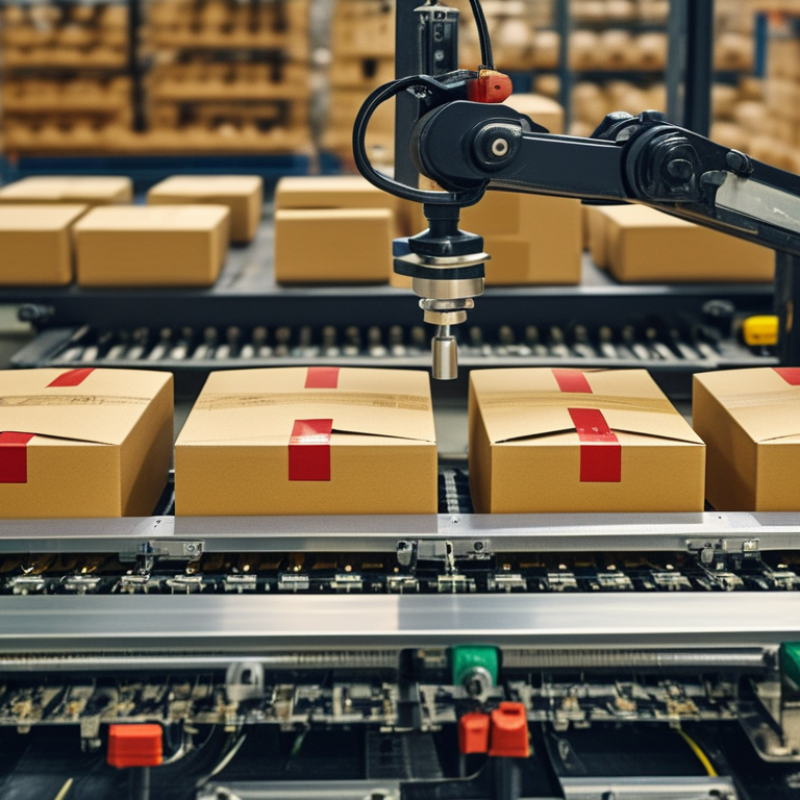
Why Choose Manual or Automated Packaging for Your Business?

Understanding Packaging Methods: Manual vs. Automated Approaches

In the world of packaging, businesses face a critical decision: manual or automated methods. Manual packaging relies on human labor. It offers flexibility and may suit smaller operations or specialized products. Workers can easily adapt to changes. However, it can lead to inconsistencies. Human errors can occur, affecting quality and efficiency. Training workers adds time and costs to the process.

On the other hand, automated packaging enhances speed and precision. Machinery can consistently produce high-quality packages quickly. This method is ideal for large-scale operations and repetitive tasks.
Yet, it requires significant initial investment. Additionally, reliance on machines can reduce job opportunities. If a machine breaks, workflow halts, leading to potential delays. Assessing both methods brings challenges. Each has its strengths and weaknesses, urging businesses to reflect on their unique needs and capacities.

Advantages of Manual Packaging: Flexibility and Cost-Effectiveness

Manual packaging offers several advantages, especially in terms of flexibility and cost-effectiveness. In a recent study by Smithers Pira, around 60% of small and medium-sized enterprises prefer manual packaging due to its adaptability to various products. This method allows businesses to quickly switch packaging types based on market demands. Flexibility can be a significant asset in responding to changing consumer preferences.

Cost-effectiveness is another key benefit. According to a report by Allied Market Research, companies that switch to manual packaging can save up to 30% on labor costs. Manual packaging requires less automated machinery, reducing initial investments. Many small businesses find it easier to train staff for manual processes than to invest in sophisticated automated systems. However, some businesses might encounter challenges, like inconsistent labor quality.

Tips: Optimize labor by implementing clear training guides. This can improve consistency and overall speed. Additionally, consider evaluating the balance between manual and automated packaging regularly. This helps identify if you are missing out on efficiency gains. Flexibility is essential, but reliance solely on manual methods can limit scalability. Strike a balance for optimal results.

Why Choose Manual or Automated Packaging for Your Business? - Advantages of Manual Packaging: Flexibility and Cost-Effectiveness

Advantage Manual Packaging Automated Packaging
Cost Lower initial investment High initial investment, but lower per-unit cost for high volume
Flexibility Easily adapts to product changes Limited flexibility without significant redesign
Speed Slower due to manual effort Faster for large volumes
Labor Requires skilled labor Less skilled labor needed for operation
Quality Control Higher potential for quality oversight Consistent quality through automation

Benefits of Automated Packaging: Efficiency and Consistency

Automated packaging can significantly enhance a business's efficiency. By utilizing machines for packing products, companies can speed up the process dramatically. This not only saves time but also minimizes labor costs. High-speed machines can operate consistently, reducing the likelihood of errors that can occur with manual packing. This consistency leads to a more reliable product presentation.

Another major benefit of automated packaging is its ability to maintain quality. Machines follow specific standards and protocols, ensuring that every package is sealed tightly, labeled correctly, and protected from damage. Hands-off processes reduce human error. However, despite these advantages, automated systems can be complex and require regular maintenance. Not every business may have the resources to invest in such equipment.

While automating packaging provides numerous benefits, companies must carefully consider their needs. Not every product is suitable for automation. Some items may require a personal touch that machines cannot deliver. Therefore, a balanced approach, combining both manual and automated processes, could be the most effective strategy. This flexibility allows businesses to adapt as their needs evolve.

Benefits of Automated vs Manual Packaging

Factors to Consider When Choosing a Packaging Method

When considering packaging methods for your business, various factors come into play. Manual packaging offers flexibility and a personal touch. It’s ideal for small batches or custom products. You can easily adjust to unique sizes or shapes. However, it usually requires more time and labor. Efficiency can suffer in high-demand situations.

Automated packaging is different. It streamlines production, which can save costs in large volumes. This method ensures consistency in the packaging process. Yet, the initial costs for equipment can be steep. Businesses must weigh the long-term benefits against upfront expenses.

Tip: Assess your production volume before making a decision. If you often change your product sizes, manual methods may be helpful. Keep in mind that customer preferences also matter. Their feedback can guide your packaging choice.

Consider the environmental impact too. Eco-friendly materials are increasingly important to consumers. Automation sometimes leads to more waste, while manual methods allow for creativity in sustainable packaging. Analyze your brand values as you choose.

Conclusion: Aligning Packaging Choices with Business Goals

Choosing the right packaging method is essential for aligning with business goals. Manual and automated packaging each have distinct benefits. Manual packaging allows for flexibility and close attention to detail. This can be critical for unique products or small batch sizes. However, it may not always be efficient. Relying heavily on manual labor can lead to inconsistencies and longer production times.

On the other hand, automated packaging offers speed and efficiency. Automated systems can handle high volumes, reducing labor costs over time. Yet, they may require significant upfront investment and technical expertise. Businesses must weigh these factors carefully. A mismatch between packaging choice and business strategy can hamper growth.

Regularly reassessing packaging processes is vital. Are they meeting customer expectations? Is production scalable? Reflecting on these questions helps businesses stay adaptable. Making informed decisions, based on ongoing analysis, can enhance overall effectiveness. This alignment between packaging and goals ultimately drives long-term success.

FAQS

: What is manual packaging?

: Manual packaging relies on human labor. It offers flexibility and suits smaller operations or specialized products.

What are the benefits of manual packaging?

Manual packaging provides adaptability and cost-effectiveness, saving companies up to 30% on labor costs.

Why might businesses prefer automated packaging?

Automated packaging enhances speed and precision. It is ideal for large-scale operations and repetitive tasks.

What are the disadvantages of automated packaging?

It requires significant initial investment. If machinery breaks, it can lead to halts and delays in workflow.

How can businesses optimize their manual packaging processes?

Implement clear training guides to improve consistency and speed. Regular evaluations of the balance between packaging methods are helpful.

What challenges do businesses face with manual packaging?

Inconsistent labor quality can affect packaging effectiveness. Some businesses might struggle with scalability.

How important is it to align packaging choices with business goals?

Choosing the right packaging method is essential. A mismatch can hinder growth and efficiency.

What should businesses reflect on regularly regarding packaging methods?

Are processes meeting customer expectations? Is production scalable? Regular assessments can enhance effectiveness.

Can manual packaging impact production times?

Yes, reliance on manual labor can lead to longer production times and potential inconsistencies.

How does flexibility in manual packaging affect market response?

Flexibility allows quick adaptation to changing consumer preferences, which can be a significant asset.

Conclusion

In deciding between manual and automated packaging for your business, it's essential to understand what is the difference between manual and automated packaging. Manual packaging offers flexibility and cost-effectiveness, making it suitable for small batches or custom packaging needs. Employees can adjust processes quickly to meet varying demands, but it may result in slower output and potential inconsistencies. On the other hand, automated packaging enhances efficiency and consistency, ideal for high-volume production, while reducing labor costs and minimizing human error.

When choosing the right packaging method, consider factors such as production volume, budget constraints, and the nature of your products. Aligning your packaging choices with business goals ensures that you optimize efficiency while meeting customer demands effectively. Ultimately, the decision should reflect your operational priorities and the scale at which your business operates.

Charlotte

Charlotte

Charlotte is a seasoned marketing professional with a deep understanding of the company's portfolio and a passion for elevating its presence in the market. With a keen eye for detail and a commitment to excellence, she ensures that our professional blog is regularly updated with insightful articles......