Benefits of Automated Packaging Systems for Global Buyers?

Time:2026-06-22 Author:Liam
0%

As e-commerce continues to expand globally, businesses face mounting pressures to optimize their packaging processes. Automated packaging systems are emerging as a key solution. What are the benefits of automated packaging systems? According to research from Smithers Pira, the global packaging automation market is projected to reach $75 billion by 2024. This indicates a strong trend towards automation in response to increasing demand for efficiency and consistency.

Automated systems enhance speed and accuracy in packaging operations. By reducing human error, they improve product integrity and customer satisfaction. A report from the Packaging Machinery Manufacturers Institute highlights that automated systems can increase packaging line efficiency by up to 30%. This is an attractive proposition for global buyers looking to reduce costs and enhance productivity. However, the initial investment can be substantial, prompting reflection on return on investment and long-term benefits.

Embracing automation does not come without challenges. A shift to automated systems requires skilled labor and ongoing maintenance. Some companies may struggle to adapt to this technology. Yet, the potential to streamline operations and improve scalability cannot be overlooked. In a competitive market, understanding the benefits of automated packaging systems becomes essential for global buyers aiming for sustainability and growth.
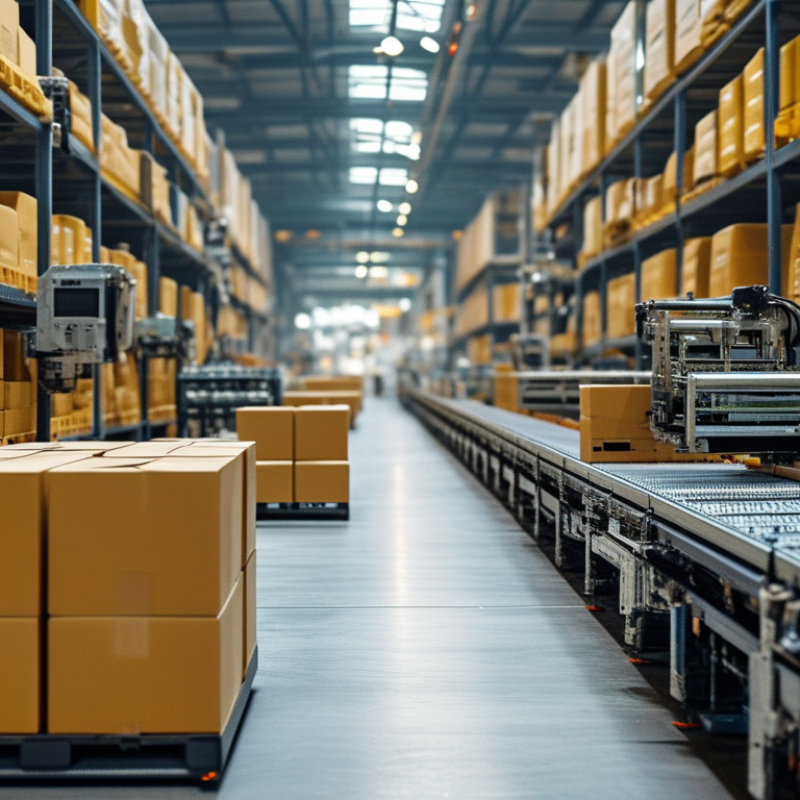
Benefits of Automated Packaging Systems for Global Buyers?

Overview of Automated Packaging Systems

Automated packaging systems are revolutionizing the way businesses handle their packaging needs. These systems enhance efficiency, allowing for faster production rates. Many companies benefit by reducing labor costs and minimizing errors. The use of technology enables precise packing, which is crucial for maintaining product integrity. Simple automation methods like sealing or labeling can significantly enhance consistency.

Businesses often grapple with the initial investment of automated systems. Transitioning from manual processes to automation requires planning. Although the process may seem daunting, the long-term savings justify the investment. Finding the right system that meets specific needs is essential. It can be tough to balance cost and efficiency while ensuring quality.

Incorporating automated solutions often leads to better inventory management. These systems can track inventory levels and optimize packing schedules. Eliminating waste becomes easier with accurate data. However, as companies adopt new technologies, they should reflect on potential workforce impacts. Training and upskilling may be necessary, posing a challenge in some cases. Embracing change is vital for growth.

Cost Efficiency and Budget Savings for Global Buyers

Automated packaging systems are transforming the logistics landscape for global buyers. These systems significantly reduce labor costs while increasing output efficiency. By automating repetitive tasks, companies can allocate resources more effectively. This shift leads to considerable budget savings in the long term.

One key aspect is the reduction of material waste. Automated systems ensure precise packaging, minimizing excess materials. This precision enhances sustainability efforts, which is increasingly important for today's consumers. However, all automation comes with a learning curve. Staff may require training to operate new machinery effectively. Some may find it challenging initially.

Another benefit lies in the scalability of operations. Automated systems can adapt to varying production volumes with ease. This flexibility allows companies to respond quickly to market changes. Yet, investing in these systems is not without risks. Budget constraints can pose a challenge, requiring careful financial planning. Balancing initial costs with long-term savings is essential for success.

Enhanced Product Protection and Quality Assurance

Automated packaging systems have transformed how products are handled. These systems offer unparalleled product protection, which is vital for global buyers. With automated solutions, products are sealed tightly, reducing the risk of damage during transit. This precise handling preserves the integrity of goods, ensuring they reach their destination in optimal condition.

Quality assurance is another major benefit of automation. Automated systems consistently apply the same standards across all packaging processes. This consistency is crucial for maintaining product quality. Manual packaging can lead to human error, resulting in defects. By minimizing these risks, businesses can assure their buyers of high-quality products every time, which builds trust and loyalty.

However, the shift to automation is not without challenges. Initial investment costs can be high. Additionally, companies might struggle to train staff on new technologies. Investing in automated packaging requires a commitment to ongoing maintenance and updates. Companies must continuously evaluate performance to ensure effectiveness.

Benefits of Automated Packaging Systems for Global Buyers

Benefit Description Impact
Enhanced Product Protection Automated systems provide reliable sealing and cushioning, protecting products from damage during transit. Reduces return rates and increases customer satisfaction.
Consistency in Packaging Automated systems maintain uniform packaging standards, ensuring each product is packaged identically. Improves brand image and customer trust.
Quality Assurance Automated quality checks ensure that only properly packaged products reach the market. Decreases the likelihood of recalls and enhances company reliability.
Efficiency and Speed Automation significantly speeds up the packaging process, allowing for faster fulfillment. Increases throughput and reduces labor costs.
Sustainability Automated systems can optimize material use and reduce waste in the packaging process. Contributes to environmental initiatives and cost savings.

Increased Speed and Productivity in Packaging Processes

Automated packaging systems have transformed industries by enhancing speed and productivity. These systems reduce manual labor by using machines to package products consistently. Speed is crucial for meeting consumer demands. A packaging line that operates at high speed decreases bottlenecks and keeps products moving. As a result, companies can respond quickly to market changes.

However, there are challenges in implementing these systems. Initial investment can be high, leading to hesitation among buyers. Training staff to operate advanced machinery is another concern. Employees may need time to adjust to new processes. Furthermore, some industries have unique packaging needs that generic systems may not meet perfectly. Companies must weigh these factors carefully.

Despite these challenges, the productivity gains are remarkable. Automated systems often achieve what manual processes cannot. They lessen human error, ensuring consistency. This reliability increases overall efficiency. Buyers should consider the long-term benefits.

Fast, efficient packaging ultimately leads to happier customers and greater market share. Exploring options and conducting thorough research can help businesses make informed decisions.

Customization Options for Diverse Packaging Needs

Automated packaging systems offer robust customization options for global buyers. These systems can adapt to various packaging needs, enhancing efficiency and flexibility. Businesses can select different sizes, shapes, and materials tailored to their products. This flexibility is crucial in today’s diverse market.

Customization begins with design. Companies can create unique packaging that reflects their brand identity. For instance, a food producer might choose biodegradable materials to appeal to eco-conscious consumers. These choices not only elevate product appeal but also meet regulatory standards, which can be complex depending on the region.

However, not every customization option works seamlessly. Some designs may present technical challenges during large-scale production. Furthermore, the cost of advanced customization can be substantial. Buyers must weigh the benefits against potential drawbacks. A thoughtful approach ensures packaging solutions meet both operational needs and consumer expectations.

FAQS

: What are the advantages of automated packaging systems?

: They reduce labor costs and increase output efficiency significantly.

How do automated systems affect material waste?

They ensure precise packaging, minimizing excess materials and enhancing sustainability efforts.

Is training required to operate automated packaging systems?

Yes, staff may need training to effectively use new machinery, which can be challenging initially.

Can automated systems handle different production volumes?

Yes, they are scalable and can adapt to varying production needs efficiently.

What are some challenges of implementing automated packaging?

High initial investment costs and the need for staff training are common concerns for buyers.

How does automation impact packaging speed?

Automated systems operate faster, reducing bottlenecks and allowing quick responses to market changes.

Are there customization options available for packaging?

Yes, businesses can choose sizes, shapes, and materials that suit their products and brand identity.

What are some potential drawbacks of customization?

Some designs may face technical challenges or incur higher costs during large-scale production.

How does automation affect customer satisfaction?

Fast and efficient packaging leads to happier customers and can increase market share over time.

What should companies consider before investing in automation?

They need to balance initial costs with long-term savings and careful financial planning.

Conclusion

Automated packaging systems present numerous advantages for global buyers looking to enhance their packaging processes. One of the significant benefits of automated packaging systems is cost efficiency; by reducing labor costs and minimizing waste, companies can achieve considerable budget savings. Additionally, these systems improve product protection and assurance of quality, ensuring that products remain intact during transit and conform to safety standards.

Furthermore, automated packaging increases speed and productivity, allowing businesses to meet high demand without compromising quality. With various customization options available, global buyers can tailor their packaging to meet diverse market needs effectively. In summary, what are the benefits of automated packaging systems? They streamline operations, enhance product quality, and provide economic advantages, making them an essential investment for businesses targeting global markets.

Liam

Liam

Liam is a dedicated marketing professional with a profound expertise in the industry, where he excels at highlighting the unique advantages of our core products. With a keen understanding of market trends and consumer needs, Liam frequently updates our company’s professional blog, providing......