7 Best Packaging Machines What Makes Them Reliable?

Time:2026-10-11 Author:Ethan
0%

Choosing among the 7 Best Packaging Machines requires more than comparing speed, price, or advertised features. The harder question is what makes a packaging machine reliable when production runs for twelve hours, film tension changes, and operators work under pressure. A dependable machine should deliver consistent seals, accurate fills, stable speeds, and quick recovery after minor faults.

PMMI reported that U.S. packaging machinery shipments reached approximately $10.2 billion in 2022, an 8.3% increase from the previous year. That growth reflects strong demand, but it also raises expectations for uptime, maintenance access, and measurable performance. The ISO 9001 quality framework further emphasizes controlled processes, traceability, and continual improvement. These principles matter beside a real production line, where a loose sensor can stop hundreds of cartons within minutes.

Packaging machinery author John R. Henry offers a practical reliability standard: “A reliable machine performs its intended function consistently over time.” His point remains useful. Reliability is not only a stainless-steel frame or a high-speed servo motor. It includes sensible machine design, proven components, clear diagnostics, operator training, and available replacement parts.

This guide examines seven leading packaging machine types through those practical measures. It considers sealing consistency, changeover time, cleaning access, energy use, and total cost of ownership. Some machines may appear reliable during factory demonstrations. Real performance can differ. That is worth admitting.

A reliable choice should survive dust, vibration, repeated washdowns, and imperfect human routines. It should also reveal problems before they become expensive failures. That is what makes a packaging machine reliable.
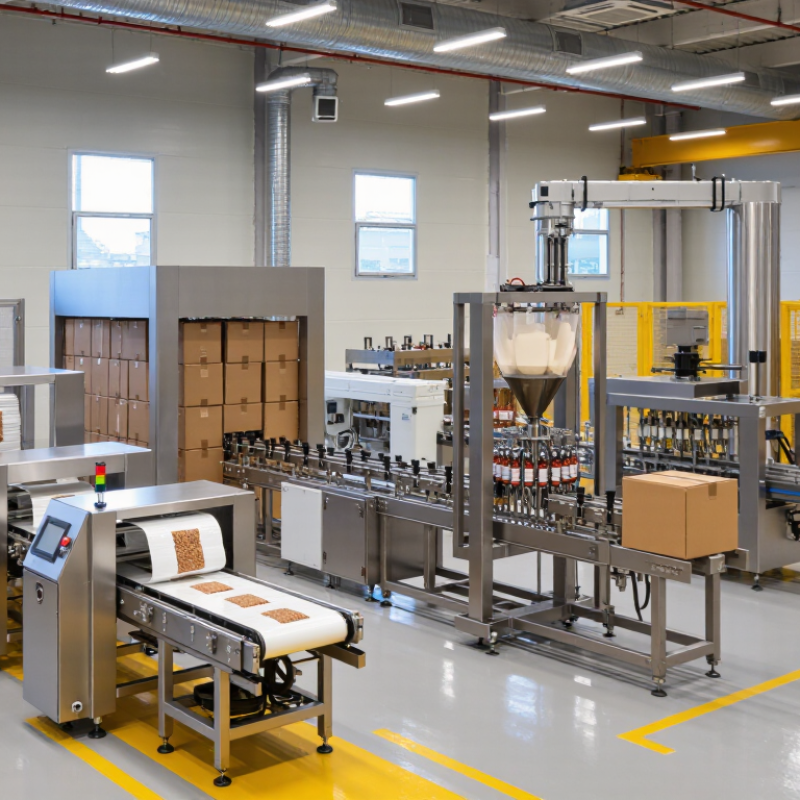
7 Best Packaging Machines What Makes Them Reliable?

What Packaging Machines Are and How They Support Modern Production

Packaging machines are the quiet infrastructure behind modern production. They fill, seal, label, carton, wrap, palletize, and inspect products with steady timing. Common systems include fillers, capping machines, cartoners, case packers, palletizers, and stretch wrappers. Each machine supports a different production stage, yet reliability depends on how well the complete line works together.

In practical operations, reliable equipment protects product quality and reduces unnecessary stoppages. Strong frames, accurate sensors, simple controls, and accessible parts make daily work easier. A good machine should handle expected speed without constant adjustment. It should also protect operators through clear guarding and safe maintenance access. However, no machine is perfect. Dust, uneven materials, poor setup, and rushed cleaning can still cause failures. This is where experienced technicians matter. They notice unusual vibration, small leaks, or inconsistent seals before problems become expensive.

Tips: Match the machine to your product, package size, and production volume. Test real materials before purchasing. Check cleaning time, spare-part access, and changeover procedures. Keep maintenance records, even when everything seems normal. Small notes help reveal recurring faults. Reliability grows through disciplined operation, not equipment alone. A slower line may sometimes deliver better output. That detail is easy to overlook.

Seven Leading Packaging Machine Types and Their Primary Applications

7 Best Packaging Machines: What Makes Them Reliable?

Seven packaging machine types serve different production needs. Vertical form-fill-seal machines create bags for snacks, powders, and granules. Horizontal form-fill-seal machines protect bars, medical supplies, and bakery products. Liquid fillers and cappers handle beverages, sauces, and personal-care products with controlled dosing. Cartoning machines place products into folding cartons, while case packers load cartons into shipping cases. Labeling machines apply readable product information at consistent positions. Palletizers and stretch wrappers stabilize completed loads for warehouse movement.

The market is expanding. Grand View Research valued the global packaging machinery market at approximately USD 52.83 billion in 2023. It forecasts a compound annual growth rate of 4.8% from 2024 to 2030. PMMI industry reports also identify labor availability, automation, and flexible production as major purchasing factors. These trends explain the demand for machines with quick changeovers, sensor-based fault detection, and accessible maintenance points.

Reliability Is Not Automatic

Reliability is not automatic. It depends on matching the machine to material behavior, package size, speed, and cleaning demands. A filler may achieve excellent accuracy with one liquid but struggle with foam or viscosity changes. That detail is often missed. In practical audits, operators should inspect seals, belts, sensors, and software alarms during real production, not only demonstrations. Clear spare-parts support and documented maintenance records matter as much as headline speed. Even a slower machine can be the better investment when it reduces jams, waste, and unplanned downtime.

Key Design Features That Make Packaging Machines Reliable

Reliable packaging machines begin with disciplined design, not impressive speed claims. PMMI’s 2023 U.S. Packaging Machinery Shipments Study valued the market at approximately $10.3 billion in 2022. That scale reflects demanding production environments. Machines must survive dust, vibration, frequent changeovers, and long operating hours.

A rigid frame reduces movement around sealing jaws and filling nozzles. Servo-driven motion improves positioning accuracy during repeated cycles. Tool-free access also matters. Operators should reach sensors, belts, and film paths without removing several guards. Stainless steel surfaces simplify cleaning, while sloped areas prevent product residue from collecting. Small details prevent expensive interruptions.

Control systems need clear alarms, recipe protection, and useful production records. ISO 22400 provides standard methods for measuring manufacturing performance, including availability, performance, and quality. These measures help teams separate mechanical downtime from poor settings. Predictive sensors can detect temperature drift, abnormal vibration, or rising motor load before failure occurs. Sometimes, however, more sensors create more confusion. A simple, readable interface may outperform a sophisticated system that operators misunderstand.

Standardized components make spare parts easier to source and technicians faster to train. Heat sealing deserves special attention. Uneven pressure or temperature can create weak packages, even when the machine appears to run normally. Regular calibration remains essential. No machine is perfect. Reliability improves when design decisions are tested against real cleaning routines, material changes, and operator habits, rather than laboratory conditions alone.

How Automation, Maintenance, and Safety Improve Machine Performance

7 Best Packaging Machines: What Makes Them Reliable?

Reliable packaging machines depend on more than speed. Automation keeps film tension, filling volume, temperature, and sealing pressure consistent. Sensors can detect an open guard or misplaced package before a small fault becomes expensive waste. Clear control screens also help operators identify problems without guessing. Simple alarms matter.

Maintenance protects that consistency. Technicians should inspect belts, sealing jaws, bearings, and air lines on a scheduled routine. A loose sensor may create intermittent faults that are difficult to trace. Cleaning around product-contact areas prevents buildup and supports hygienic operation. Maintenance records should include the date, fault, adjustment, and replacement part. Small details reveal recurring weaknesses.

Safety improves performance because trained operators work with fewer interruptions. Guards, emergency stops, and interlocked access points need regular testing, not just visual inspection. Lockout procedures must be followed before clearing jams or servicing moving parts. A machine may run quickly, yet unsafe access can damage equipment and injure people. No machine stays perfect. Even strong preventive plans can miss a hidden vibration or a worn cable. Reviewing near-misses and repeated stoppages encourages better decisions, although production pressure sometimes makes this review too easy to postpone.

How to Choose the Most Reliable Packaging Machine for Your Needs

Choosing a reliable packaging machine starts with your product, not the machine’s appearance. In production trials, I examine powder flow, liquid viscosity, package size, and seal strength. A machine that handles one format well may struggle with another. Small details matter. Watch the film path. Check whether the sealing jaws stay stable during continuous operation.

Capacity should match your real workload. Do not choose only by the advertised maximum speed. Ask for test results using your materials and target package. Reliable equipment should deliver consistent weights, clean seals, and accurate cuts over several hours. It should also allow quick changeovers. Long setup times quietly increase labor costs. I once underestimated this point, and the daily delays became expensive.

Maintenance access is equally important. Operators should reach sensors, belts, and sealing parts without awkward disassembly. Look for clear alarms, replaceable wear parts, and useful operating records. Safety guards and emergency stops must be practical, not decorative. Training quality also affects reliability. Even strong equipment performs poorly when instructions are vague. Request installation support, spare-part availability, and realistic service response times. A short demonstration may look perfect, but it cannot reveal every weakness. Run a longer trial, measure interruptions, and record what operators notice. Your first choice may still need revision.

7 Best Packaging Machines: What Makes Them Reliable?

The chart shows a practical evaluation model for comparing packaging machines. Maintainability, safety controls, spare-parts availability, diagnostics, sealing consistency, and sanitation should be assessed together rather than judged by speed alone. The percentages are recommended decision weights and can be adjusted to match your product, operating environment, and production volume.

FAQS

What does a vertical form-fill-seal machine produce?

It forms bags vertically and fills them with snacks, powders, or granules. It suits products that flow downward easily. Material behavior still matters.

When is a horizontal form-fill-seal machine useful?

It wraps bars, bakery items, and healthcare products in horizontal film. The package moves along a controlled path. Poor alignment can create weak seals.

What products need liquid fillers and cappers?

These machines fill beverages, sauces, and personal-care liquids with measured doses. Foam and changing viscosity can reduce accuracy. Testing one liquid is not enough.

What do cartoning and case-packing machines do?

Cartoning machines place products into folding cartons. Case packers load cartons into larger shipping cases. Both reduce repetitive manual handling.

Why are labeling machines important?

Labeling machines place product information at consistent positions. Readable labels support identification and smoother inspection. A crooked label still signals a process problem.

How do palletizers and stretch wrappers support warehouse movement?

Palletizers arrange finished cases into stable loads. Stretch wrappers hold those loads during movement. Loose corners invite trouble.

Which features can improve packaging machine reliability?

Useful features include quick changeovers, fault sensors, and accessible maintenance points. Automation can stabilize film tension, filling volume, temperature, and sealing pressure. Simple alarms help operators respond faster.

What maintenance checks should operators perform?

They should inspect belts, sealing jaws, bearings, sensors, and air lines regularly. Cleaning product-contact areas helps prevent buildup. Records should note dates, faults, adjustments, and replaced parts.

How should safety systems be checked?

Teams should test guards, emergency stops, and interlocked access points regularly. They must use lockout procedures before clearing jams or servicing moving parts. Visual checks alone are insufficient.

How can a buyer choose the right machine?

Compare the material, package size, required speed, cleaning needs, and changeover frequency. Inspect the machine during real production, not only demonstrations. Slower may be wiser. Review spare-parts support and maintenance records before deciding.

Conclusion

Packaging machines are essential systems that prepare, fill, seal, label, wrap, or otherwise protect products for efficient distribution. This article introduces seven leading machine types and explains their main applications across modern production environments, from forming containers and filling materials to sealing packages and applying labels. By matching each machine to the product, package format, production volume, and operating conditions, manufacturers can improve consistency, speed, and resource efficiency.

It also explores what makes a packaging machine reliable, including strong construction, precise controls, stable feeding systems, adaptable settings, and easy access to critical components. Automation can reduce repetitive errors, while preventive maintenance helps preserve performance and limit unexpected downtime. Effective safety features further protect operators and support dependable operation. Finally, the guide outlines how to compare capacity, compatibility, sanitation needs, maintenance requirements, safety design, and long-term operating costs when selecting the most reliable packaging machine for a specific production line.

Ethan

Ethan

Ethan is a seasoned marketing professional with a deep expertise in our company's innovative product line. With a passion for sharing knowledge and insights, he takes the lead in regularly updating our corporate blog, where he explores industry trends, product features, and effective marketing......