2026 Best Packaging Machinery How to Choose the Right One?

Time:2026-10-25 Author:Sophia
0%

Choosing packaging machinery in 2026 is not simply a search for higher speed. It is a decision about product protection, labor, materials, space, maintenance, and future growth. A machine that fills 120 packages per minute may still fail if changeovers take two hours. Small details matter: film tension, seal temperature, dust near sensors, and the distance between the filler and case packer.

PMMI Vice President Jorge Izquierdo has emphasized a practical principle: “Automation is not a one-size-fits-all solution.” That idea should guide every buying decision. The right equipment must match the product, package format, production volume, workforce, and available utilities. It should also communicate reliably with printers, checkweighers, conveyors, inspection systems, and enterprise software.

This guide explains how to choose the right packaging machinery through a clear, experience-based process. It examines machine compatibility, production capacity, flexibility, hygiene, operator safety, energy use, total cost of ownership, and supplier support. A low purchase price can become expensive when spare parts are delayed or technicians lack training. That risk is easy to underestimate.

There is no perfect machine.

Even experienced teams make assumptions. They may trust advertised speed without testing real materials. They may overlook seasonal demand or future package sizes. Practical trials, documented acceptance criteria, and honest supplier discussions reduce those mistakes. The strongest choice is not always the fastest or newest machine. It is the equipment that performs consistently on your line, with measurable results and room for responsible improvement.
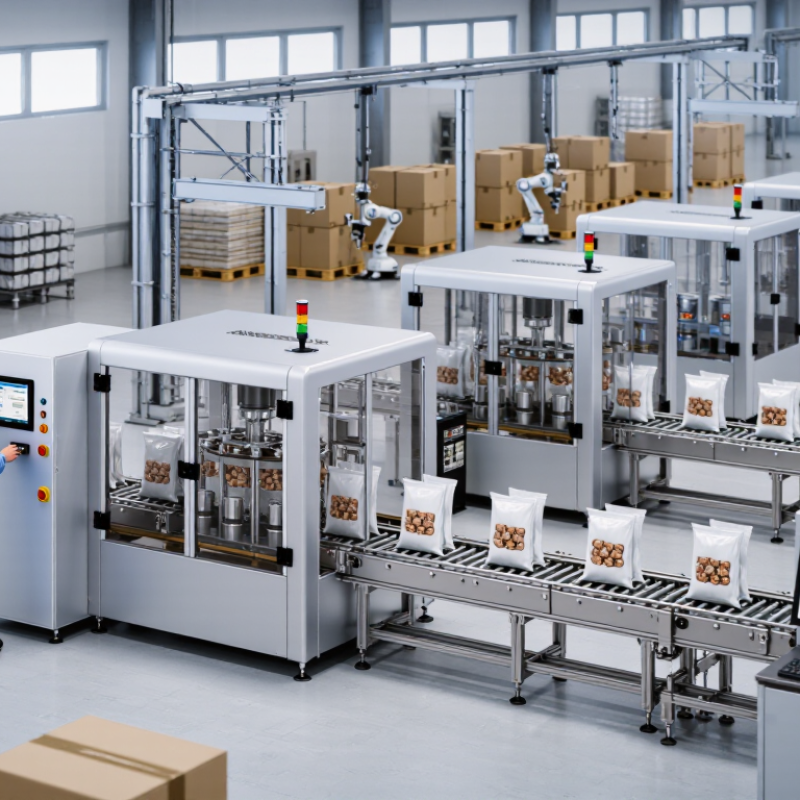
2026 Best Packaging Machinery How to Choose the Right One?

What Is Packaging Machinery and Why Does It Matter in 2026?

What Is Packaging Machinery and Why Does It Matter in 2026?

Packaging machinery includes equipment that fills, seals, labels, wraps, or inspects products. It can handle bottles, cartons, pouches, trays, and other containers. A modern line may connect several machines through sensors and controlled software. Operators can monitor speed, temperature, weight, and material use from one interface.

In 2026, packaging machinery matters because production demands are less predictable. Customers expect consistent quality and shorter delivery times. A reliable machine can reduce spills, damaged seals, manual lifting, and repeated inspections.

For example, a filling system should place the same volume into each container. A vision sensor can detect a missing label before products leave the line. These small controls protect both margins and customer trust.

Choosing equipment still requires practical judgment. I have seen teams focus on maximum speed, then struggle with cleaning, changeovers, or staff training. Faster is not always better.

The machine must match the product, package size, factory space, and available technicians. Safety guards, emergency stops, clear maintenance access, and documented testing deserve close attention. Energy use and recyclable material compatibility also affect long-term value.

No machine is perfect. Even strong equipment may need adjustment after real production begins.

Ask for trial runs using your actual materials, not only sample specifications. A useful review should examine downtime records, spare-part access, software support, and operator feedback before purchase.

Which Types of Packaging Machines Are Available?

Packaging machinery is not one universal system. Its type should follow the product, package material, speed, and factory space.

Vertical form-fill-seal machines suit powders, snacks, and granular products. They create bags from roll film, then fill and seal them. Horizontal form-fill-seal machines handle bars, cartons, and individually wrapped goods. Liquid products usually need piston, pump, or gravity fillers. A rotary or inline capper follows. Labeling machines may use pressure-sensitive labels, sleeves, or direct printing.

Cartoners and case packers add secondary protection for transport. Palletizers then stack cases with consistent patterns. For fresh food, modified-atmosphere or vacuum machines can slow quality loss. Blister and thermoforming systems work well for small, shaped products. The choice is wider than many buyers expect.

PMMI’s 2024 State of the Industry report placed U.S. packaging machinery shipments above 10 billion dollars in 2023, showing strong demand across these equipment categories. Smithers’ Future of Global Packaging to 2028 also estimated the worldwide packaging market at roughly 1.2 trillion dollars in 2023. These figures suggest growth, but they do not prove that faster equipment is better. A small filler may outperform a high-speed line when changeovers are frequent.

During factory trials, inspect seal edges, product waste, cleaning access, and operator reach. Ask for output at your real package size, not only the advertised maximum.

I would also test three consecutive changeovers. That exposes hidden downtime. Many selection mistakes come from ignoring film behavior, unstable product flow, or limited floor space. Reliability often matters more than impressive speed.

How to Match Machinery With Products and Packaging Materials

2026 Best Packaging Machinery: How to Choose the Right One?

Choosing packaging machinery should begin with the product, not the machine’s advertised speed. A dry powder needs controlled dosing and dust management. A liquid requires accurate filling and leak-resistant sealing. Fragile items may need gentle conveyors, soft gripping, and reduced drop heights. I have seen fast equipment damage products when its contact surfaces were poorly matched. Test the actual product before purchase, including its temperature, viscosity, weight, and shape.

Packaging materials also determine machine performance. Thin film can wrinkle under excessive tension, while thick laminate may need higher sealing temperatures. Paper-based packs often require different forming pressure than plastic film. Check seal strength, film width, roll diameter, and acceptable tolerance. Product-contact parts should suit the package environment and cleaning routine. A machine that works perfectly in a trial may struggle after several hours of continuous operation. That detail is easy to miss.

Tips: Request a live test using your product and materials. Measure changeover time, rejected packs, seal quality, and operator adjustments. Leave room for slower production during startup. It is tempting to select the highest rated output, but unstable feeding can erase that advantage. Ask for maintenance access, spare-part availability, safety documentation, and training records. My own preference is to record every test result, even weak ones. Imperfect data is still more useful than confident guessing.

What Key Features Should You Compare Before Buying?

Choosing packaging machinery in 2026 requires more than comparing speed claims. Smithers forecasts the global packaging market will exceed 1.2 trillion dollars by 2028, increasing pressure on productivity and flexibility. PMMI’s 2024 State of the Industry report identifies labor availability, automation, and operational efficiency as major investment drivers. Compare machines using verified output, not brochure capacity.

Check real throughput with your product, film, container, and staffing pattern. Ask for changeover time, seal consistency, reject rates, and cleaning steps. A machine rated at 120 packs per minute may deliver fewer than 90 in daily production. That gap matters.

Measure overall equipment effectiveness, energy use per finished pack, and compressed-air demand. The International Energy Agency reports that industry consumes about 37% of global energy, so efficiency deserves serious attention.

Controls should record downtime causes and support secure remote diagnostics. Confirm data ownership, operator training, spare-parts availability, and service response times. For food or sensitive products, inspect hygienic design, washdown protection, and tool-free access. PMMI research also highlights workforce challenges, making intuitive controls and quick training valuable features. I would still test awkward products, not only ideal samples. One overlooked corner can turn a promising machine into an expensive bottleneck.

How to Evaluate Costs, Automation, Safety, and Long-Term Support

Choosing packaging machinery in 2026 requires more than comparing purchase prices. A low quote can hide changeover delays, training expenses, and difficult spare-parts sourcing. Ask suppliers for a full cost model covering installation, utilities, consumables, maintenance, and planned downtime. Request production trials using your actual product, package size, film, and speed target. Watch the operator, not only the machine. Their movements reveal awkward controls, cleaning gaps, and avoidable handling risks. Measurable evidence matters more than impressive demonstrations.

Automation should match process stability and workforce capability. Review sensor accuracy, recipe control, data access, and fault recovery. Does the line stop safely when a guard opens? Can an operator restart it without guessing? Short tests matter. Calculate labor savings against integration costs and software training. Over-automation may increase downtime when a simple adjustment needs specialist support. This is where many evaluations become too optimistic. A fast cycle rate may look successful, yet frequent format changes can reduce daily output.

A serious assessment includes risk documentation, emergency controls, guarding, ergonomic reach, and sanitation access. Ask for maintenance schedules, response times, remote-support limits, and spare-part availability in your region. Check whether manuals are clear enough for a new technician at 6 a.m. Long-term support should include training refreshers and upgrade responsibilities. Compare references from facilities with similar volumes, not polished case studies alone. Leave budget for unexpected wear. Machines operate in real factories, not brochures.

2026 Best Packaging Machinery: How to Choose the Right One

A practical evaluation framework for comparing packaging machinery by total cost, automation, safety, and long-term support. The percentages represent a balanced purchasing model with a total weight of 100%.

Cost includes purchase, installation, training, energy, maintenance, spare parts, and downtime. Automation reflects throughput, changeover efficiency, controls, and integration capability. Safety covers guarding, emergency systems, risk reduction, and operator protection. Long-term support includes documentation, service response, parts availability, software updates, and training.

FAQS

Which packaging machine should I choose for powders or snacks?

Vertical form-fill-seal machines suit powders, snacks, and granular products. They form bags from roll film, fill them, and seal them. Control dust carefully. Product flow can still become unstable.

What equipment is suitable for liquids?

Liquid products usually need piston, pump, or gravity fillers. A rotary or inline capper can follow. Test viscosity and temperature first. Small leaks can become expensive.

How do packaging materials affect machine selection?

Thin film may wrinkle under excessive tension. Thick laminate may need higher sealing temperatures. Paper-based packs may require different forming pressure. Check film width, roll diameter, and seal strength.

Should I select the machine with the highest output speed?

Not always. Frequent changeovers can reduce daily production. Request output using your actual package size. A slower filler may perform better overall.

What should I inspect during a factory trial?

Check seal edges, product waste, cleaning access, and operator reach. Measure rejected packs and adjustment time. Test three consecutive changeovers. Short trials can hide downtime.

How should automation be evaluated?

Review sensor accuracy, recipe control, data access, and fault recovery. Check whether guards stop the line safely. Operators should restart the machine without guessing. Over-automation can create new delays.

What safety and maintenance details matter most?

Examine guarding, emergency controls, ergonomic reach, and sanitation access. Ask for maintenance schedules and clear manuals. Spare parts should be available in your region. Details are easy to miss.

What costs should be included beyond the purchase price?

Include installation, utilities, consumables, training, maintenance, and planned downtime. Leave room for unexpected wear. A low quotation may hide difficult support costs. My estimate may still be incomplete.

Conclusion

In 2026, packaging machinery plays a vital role in improving production efficiency, product protection, consistency, and workplace safety. This guide explains how to choose the right packaging machinery by introducing common options, including filling, sealing, labeling, wrapping, cartoning, and integrated automated systems. It also shows why machinery must be matched carefully with the product’s characteristics, package design, material type, production speed, and required level of precision.

Before making a purchase, manufacturers should compare key features such as operating capacity, flexibility, control systems, energy use, maintenance needs, and compatibility with existing production lines. Total cost should include installation, training, spare parts, upgrades, and long-term service rather than only the initial price. By balancing automation, safety, reliability, scalability, and supplier support, businesses can select equipment that meets current production goals while remaining adaptable to future changes.

Sophia

Sophia

Sophia is a dedicated marketing professional with an exceptional depth of knowledge about her company's products and services. With a keen understanding of market trends and customer needs, she crafts insightful blog posts that not only inform but also engage readers, enriching the company’s online......