Downtime in packaging machinery can disrupt operations significantly. Understanding why does packaging machinery downtime occur is crucial for efficiency. According to the Packaging Machinery Manufacturers Institute (PMMI), downtime can cost manufacturers thousands of dollars per hour. A 2022 survey found that 45% of companies reported unplanned downtime due to equipment failure.
Common reasons include equipment malfunctions, inadequate maintenance, and operator errors. A lack of training for staff can also lead to mishandling of machines. Statistics show that nearly 20% of downtime is attributed to human factors. Inadequate parts supply further complicates recovery efforts.
Seeking solutions is essential for manufacturers. Regular maintenance schedules can reduce failures. Investing in employee training can minimize human errors. Monitoring systems can help identify issues before they lead to breakdowns. Addressing these challenges head-on can enhance productivity and reduce costs.
Understanding Packaging Machinery Downtime
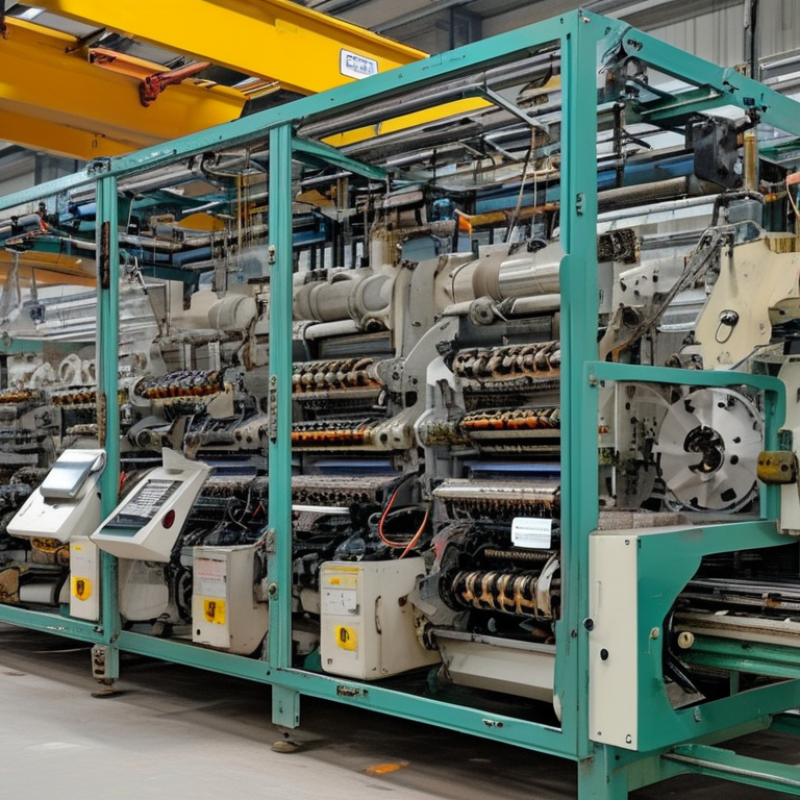
Downtime in packaging machinery can significantly impact production efficiency. Industry data shows an average of 5-15% downtime in automated packaging systems. This unexpected halt affects overall throughput and increases operating costs. It’s crucial to understand the underlying causes to mitigate these issues effectively.
Common factors contributing to downtime include maintenance neglect, equipment malfunctions, and operator errors. A report from the Packaging Machinery Manufacturers Institute (PMMI) indicated that up to 30% of downtime results from inadequate preventive maintenance. This highlights the importance of scheduled inspections and timely repairs. Moreover, poorly trained operators can exacerbate problems. In fact, human error accounts for nearly 20% of machinery downtime.
Addressing downtime requires a multifaceted approach. Implementing predictive maintenance can help identify issues before they escalate. Training operators on best practices can reduce error rates. Regular assessments of machinery and workflows ensure that systems run smoothly. A proactive strategy is essential in reducing wasted time and maximizing efficiency.
Common Causes of Equipment Malfunctions
In the packaging machinery industry, downtime can be a costly issue. According to a report by the Packaging Machinery Manufacturers Institute (PMMI), equipment malfunctions account for up to 30% of production downtime. The root causes of these malfunctions can often be traced back to several common issues.
Mechanical failure is a primary culprit. Components like belts and bearings experience wear and tear over time. A study indicated that nearly 40% of unplanned downtime is due to mechanical issues. Regular maintenance can mitigate this, but many companies falter in consistent inspections. Furthermore, human error also plays a substantial role. Improper operation or lack of training can lead to mishaps that disrupt production.
Software glitches and compatibility problems frequently hinder machinery performance. Many machines integrate complex technology that requires regular software updates. Reports have shown that nearly 20% of downtime results from software-related issues. Yet, some firms overlook the importance of updating their systems. This lapse can create vulnerabilities that lead to significant operational setbacks. Addressing these common causes can significantly enhance machine reliability and operational efficiency.
Impact of Operator Errors on Machinery Performance
Operator errors are a significant factor contributing to machinery downtime. These errors can arise from inadequate training or misunderstandings of equipment. For instance, if an operator misinterprets a machine's control panel, it can lead to improper settings that directly affect performance. This not only wastes time but may also cause lasting damage to the equipment. The consequences of these mistakes often go unnoticed until major issues arise.
In many cases, the pressure to meet productivity targets exacerbates the problem. Operators might rush through processes, ignoring crucial steps. This haste can result in overlook of safety checks or miscommunication among team members. For example, failing to properly reset a machine after maintenance can lead to a complete halt in production. These incidents remind us that regular training and clear communication are key to understanding machinery and reducing errors. A focus on continuous improvement is essential to minimize these impacts and enhance overall performance.
Top 10 Reasons for Packaging Machinery Downtime
This chart illustrates the top reasons for packaging machinery downtime, highlighting the impact of operator errors on overall machinery performance. It's crucial to address these issues to enhance efficiency and reduce downtime.
Scheduled Maintenance and Its Role in Downtime
Scheduled maintenance plays a crucial role in minimizing downtime for packaging machinery. According to industry reports, about 30% of machinery downtime can be attributed to unexpected breakdowns that could be avoided with proper maintenance. This highlights the importance of regular inspections and servicing. Scheduled maintenance can significantly reduce the risk of equipment failure. Even minor adjustments can prevent a future shutdown.
Data from the Packaging Machinery Manufacturers Institute (PMMI) indicates that a proactive maintenance strategy can improve operational efficiency by 25%. However, many companies often overlook this essential step, which leads to expensive repairs and delays. A lack of maintenance records can contribute to confusion and errors during machine operation. Teams can sometimes struggle to identify the exact cause of a malfunction, leading to longer downtimes.
While automation and predictive analytics have improved maintenance processes, human factors still play a role. Operators may overlook scheduled maintenance in favor of immediate production needs. This short-sighted approach can lead to higher costs over time. Understanding the value of scheduled maintenance is critical. It ensures that machinery operates optimally and minimizes disruptions to production schedules.
Evaluating External Factors Contributing to Production Interruptions
Downtime in packaging machinery can often be linked to external factors that disrupt production flows. One major reason is supply chain volatility. When suppliers face delays, it creates a ripple effect on manufacturing schedules. This can lead to idle machines while waiting for necessary materials. Moreover, extreme weather events may hinder transportation, leading to further inefficiencies.
Another contributor is unpredictable market demands. Fluctuations in consumer preferences can make it challenging to maintain an optimal production level. Companies often find themselves over or under-prepared. This situation can result in machinery sitting unused or running at full capacity without proper justification. Regular evaluations of market trends can reduce this uncertainty.
Lastly, workforce issues such as strikes or absenteeism can severely impact operations. A lack of skilled operators can lead to improper machine handling. This not only causes downtime but may also result in damage to the equipment itself. Reflection on workforce management strategies is essential for minimizing interruptions. Addressing these external factors can aid in creating a more resilient packaging environment.
FAQS
: Operator errors often arise from insufficient training or misunderstandings of the equipment.
Mistakes can lead to improper settings, wasting time, and potentially causing lasting damage to the equipment.
Many consequences only become apparent when major issues arise, making early detection challenging.
Operators may rush processes and skip crucial steps, which increases the likelihood of mistakes.
Overlooking safety checks can result in serious operational failures, such as complete production halts.
Supply chain volatility, extreme weather events, and market demand fluctuations are significant contributors.
Delays create idle machines, leading to inefficiencies and disrupted manufacturing schedules.
Companies may be over or under-prepared, resulting in machinery being unused or running inefficiently.
Poor workforce management, like absenteeism, can lead to improper machine handling and increased downtime.
Regular evaluations of market trends and better training for operators can help reduce errors and downtime.
Conclusion
Packaging machinery downtime can significantly affect production efficiency, and understanding why does packaging machinery downtime occur is essential for optimizing operations. Common causes of equipment malfunctions include wear and tear, inadequate maintenance, and unforeseen technical failures. Additionally, operator errors, often stemming from lack of training or attention, can further hinder machinery performance, leading to interruptions.
Scheduled maintenance plays a crucial role in mitigating downtime by ensuring machinery is regularly serviced and functioning optimally. Furthermore, external factors such as supply chain disruptions, sudden demand changes, and environmental conditions can contribute to production interruptions. Addressing these multiple dimensions can help organizations minimize downtime, enhance productivity, and ultimately improve their bottom line.

 JSG Machinery