The efficiency of a packaging line is crucial for maintaining operational excellence in the manufacturing sector. According to a report by Smithers Pira, packaging line productivity can influence overall factory performance by up to 20%. This emphasizes the importance of understanding how to increase packaging line productivity effectively. A productive line reduces costs and optimizes labor, leading to improved profitability.
Adopting smart technologies and automation can enhance speed and accuracy in packaging processes. For instance, implementing automated systems can reduce human error and streamline workflows. However, with advancements come challenges. Companies may struggle with the transition phase or resistance from employees. This highlights the necessity for a balanced approach when integrating new solutions while ensuring staff are adequately trained and engaged.
Moreover, regular analysis of line performance metrics can reveal areas needing improvement. Many firms overlook the power of data in identifying bottlenecks. This lack of insight can hinder growth and waste resources. By focusing on actionable strategies, organizations can not only boost productivity but also cultivate a culture of continuous improvement. Acknowledging these aspects is vital for long-term success in the packaging industry.
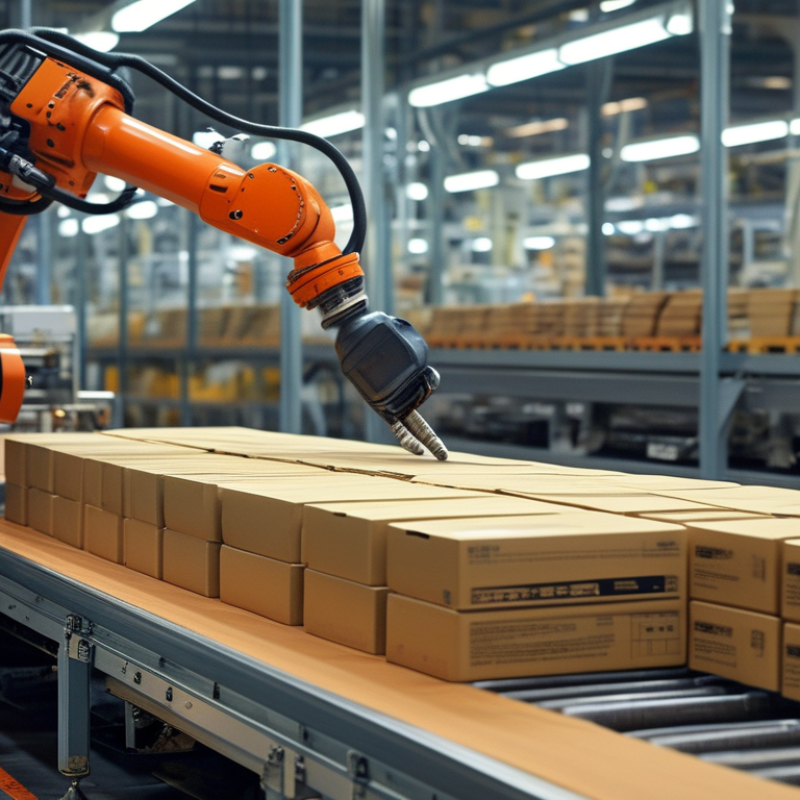
In today's fast-paced industry, automating packaging lines is essential for enhancing efficiency. A recent report by McKinsey states that smart automation can boost productivity by up to 30%. Integrated systems allow for seamless workflow, reducing manual errors and downtime.
Investing in automated solutions pays off. A standardized process minimizes variability in output. Implementing real-time tracking systems can help identify bottlenecks quickly. This insight helps teams adjust operations on the fly.
Consider upgrading equipment as a practical tip. Modern machinery can speed up production while saving energy. Regular training for staff is crucial too. Well-trained employees operate technology with confidence, ensuring minimal disruptions. As you refine your automation journey, don’t forget to reassess current practices. A continuous improvement mindset is vital for sustainable growth in packaging lines.
In today's fast-paced manufacturing environment, real-time data analytics stands out as a game-changer for optimizing workflow. By continuously monitoring key performance indicators (KPIs), businesses can quickly identify bottlenecks and inefficiencies along the packaging line. For instance, if a specific machine frequently stops, real-time data helps in pinpointing issues like mechanical wear or operator errors before they escalate. Reacting promptly to this data can significantly reduce downtime.
Moreover, integrating real-time analytics can foster a culture of continuous improvement among operators. Workers become more aware of their performance metrics, driving them to adjust their practices based on actionable insights. For example, if data shows that a particular shift has lower output, management can investigate underlying causes. However, it is essential to approach this data critically. Relying solely on numbers may lead to overlooking human factors that contribute to productivity challenges. Embracing a balance between data and on-ground observations can be crucial for meaningful change.
Ultimately, the power of real-time data lies not just in gathering information but in how teams interpret and apply it. Developing a robust feedback loop encourages adaptive strategies that can enhance line efficiency. Embracing this approach does require a mindset shift and effort, but the potential rewards are too significant to ignore.
Implementing lean manufacturing principles in packaging processes can significantly boost productivity. A report by McKinsey states that companies adopting lean techniques can see efficiency improvements of up to 30%. This approach focuses on waste reduction, optimizing workflow, and enhancing employee engagement.
One effective strategy is to analyze the entire packaging line. Identify bottlenecks and areas where delays occur. This reflection helps teams develop targeted solutions. Regular assessments ensure that improvements are sustained. Another tip is to standardize procedures across the line. A standardized approach reduces variability and mistakes, leading to a smoother operation.
Training employees in lean principles fosters a culture of continuous improvement. Engaged workers are more likely to identify inefficiencies and suggest actionable fixes. According to a study from the Lean Enterprise Institute, organizations with active employee involvement can double their productivity gains. It is crucial to encourage feedback and discuss lessons learned regularly. This helps in refining processes and maintaining momentum in productivity improvements.
| Tip | Description | Expected Impact | Implementation Time |
|---|---|---|---|
| Standardize Work Procedures | Develop standardized procedures for all packaging tasks to reduce variability. | Increase efficiency by 15%. | 1 week |
| Eliminate Waste | Identify and remove any non-value-added activities in the process. | Reduce lead time by 20%. | 2 weeks |
| Utilize Visual Management Tools | Implement visual cues and dashboards to enhance communication and awareness on the floor. | Increase employee engagement and output by 10%. | 1 week |
| Train Employees Regularly | Provide ongoing training for employees to keep skills up-to-date. | Improve productivity by 15%. | Ongoing |
| Implement 5S Methodology | Sort, Set in order, Shine, Standardize, and Sustain to maintain an organized workspace. | Enhance efficiency by 25%. | 3 weeks |
| Measure and Analyze Performance | Use KPIs to track performance and identify areas for improvement. | Identify improvements leading to 12% productivity gain. | 2 weeks |
| Optimize Equipment Layout | Design the work area to minimize movement and maximize flow. | Increase throughput by 18%. | 4 weeks |
| Use Data Analytics | Leverage analytics to make data-driven decisions for process improvements. | Potential increase in efficiency by 20%. | 4 weeks |
| Encourage Team Collaboration | Foster a culture of teamwork to improve problem-solving and innovation. | Enhance overall productivity by 15%. | Ongoing |
Training employees effectively can greatly enhance packaging line productivity. Skilled workers are essential for maintaining efficiency. By investing in targeted training programs, companies can develop employee expertise in packaging operations. This leads to fewer errors and faster processing times. Employees equipped with the right skills can adapt quickly to new technologies and methods.
Hands-on training is crucial. Workers should practice real tasks in a controlled environment. This approach builds confidence and competence. Pairing experienced trainers with junior staff fosters shared knowledge. Feedback sessions are vital to identify areas for improvement. Employees need to feel comfortable discussing their challenges. Regular assessments can ensure that skills are up to date.
There are moments of struggle. Some employees may face difficulties grasping new concepts. It's important to acknowledge these challenges. Sometimes, even the best training goes unnoticed without proper application. Employee engagement is key. When workers understand the benefits of their training, they are more motivated to improve. Emphasizing a culture of continuous learning can significantly enhance overall productivity on the packaging line.
Equipment upgrades can significantly enhance productivity in packaging lines. Studies show that modernizing machinery can lead to a 30% increase in throughput. In some cases, companies have reported a 50% reduction in downtime with new technologies. These improvements stem from better design, efficiency, and reliability of upgraded equipment.
However, not all upgrades yield immediate results. Some companies experience initial disruptions as staff adapt to new systems. This adjustment period can temporarily lower productivity. Training and proper planning are critical to mitigate such challenges. A recent industry report indicated that organizations investing in employee training alongside equipment upgrades saw a 20% faster recovery in productivity levels.
Reliability is another key factor. New equipment often means enhanced features, but these can also introduce complexities. It is vital to assess long-term reliability versus short-term gains. A shift to automated solutions can streamline processes. Yet, it can also lead to unexpected failures if not properly integrated. Balancing innovation with stability requires careful consideration and consistent monitoring.
: Automating packaging lines enhances efficiency in today's fast-paced industry. It can boost productivity by up to 30%.
Integrated systems reduce manual errors and downtime, allowing for a seamless workflow throughout the packaging process.
Real-time tracking helps identify bottlenecks quickly, enabling teams to adjust operations efficiently as issues arise.
Upgrading to modern machinery can speed up production and save energy, creating a more efficient workflow overall.
Well-trained employees use technology confidently, minimizing disruptions and maximizing efficiency on the packaging line.
Real-time data analytics helps identify inefficiencies and bottlenecks, allowing for quick adjustments that reduce downtime.
Teams should critically assess data and also consider human factors affecting productivity. Balance is essential for improvement.
A continuous improvement mindset helps refine practices, ensuring sustainable growth in packaging line efficiency.
Yes, by making workers aware of performance metrics, teams can encourage adjustments based on actionable insights.
Developing a feedback loop and interpreting data effectively is vital for enhancing line efficiency and promoting adaptive strategies.
In the quest for how to increase packaging line productivity, implementing smart automation techniques stands out as a crucial strategy. By integrating real-time data analytics, businesses can effectively optimize workflows and minimize downtime, leading to a more efficient packaging process. Additionally, adopting lean manufacturing principles helps in streamlining operations, ensuring that resources are utilized effectively.
Furthermore, enhancing employee training equips workers with the necessary skills to operate packaging systems efficiently, fostering a culture of continuous improvement. Lastly, assessing the impact of equipment upgrades can significantly enhance throughput and reliability, ultimately boosting overall productivity on the packaging line. By focusing on these strategies, companies can rapidly elevate their packaging efficiency and performance.

JSG Machinery